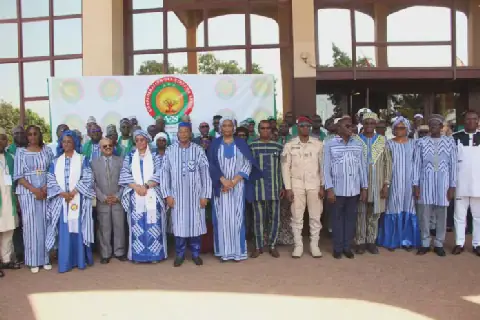
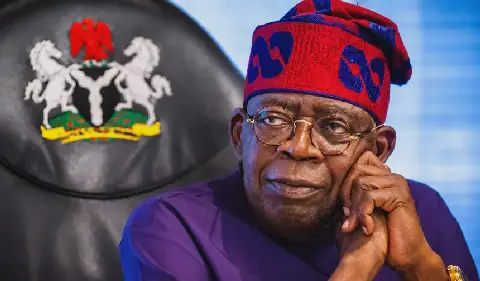
On November 15, during the 20th Summit of the International Organization of La Francophonie (OIF) in Phnom Penh, Democratic Republic of Congo President Felix Tshisekedi strongly denounced the contradictions of African solidarity in the face of conflicts on the continent. He directly pointed to Kigali for destabilizing eastern Congo. Tshisekedi emphasized that he would no longer prioritize regional rapprochements over the security of his population.
Tshisekedi recalled his commitment to pan-Africanism and cooperation between neighboring countries, citing his diplomatic visits to Kenya, Angola, Congo-Brazzaville, Rwanda, and Uganda. He mentioned that he had discussed the need for peace, unity, and development projects with his counterparts. However, he noted that this ideal of pan-Africanism is hindered by a harsh reality in the Great Lakes region, particularly with armed activism threatening the Virunga National Park.
The Congolese president accused a fellow African country, specifically Kigali, of being behind the destabilization in eastern Congo. He called on African leaders to end the hypocrisy, tribalism, and hatred, stressing that integration and free circulation cannot thrive as long as some states continue to destabilize their neighbors. Tshisekedi urged African leaders to be courageous and honest with each other.
Tshisekedi questioned the continent's commitments to peace, recalling that the African Union had set a goal to end conflicts by 2020, which he considered a "chimera" due to a lack of political will and firm condemnations. He rejected the tendency to blame former colonial powers for African difficulties, instead calling on leaders to take responsibility for their actions.
The president cited the example of France and Germany, former enemies now pillars of the European Union, as a lesson for Africa to learn from historical reconciliation. He expressed skepticism about Emmanuel Macron's calls for partnership, attributing them to "political correctness" rather than a genuine change in behavior from African leaders.
Tshisekedi's most notable statement came when he declared that, faced with security threats, he would prioritize building walls to protect his population rather than bridges. This remark underscored his commitment to securing Congo despite potential repercussions for regional relations. The crisis in eastern Congo was at the center of his speech on international and African solidarity.
Tshisekedi's message was clear: African unity cannot be built on fraternity alone but requires respect for state sovereignty, an end to interference, and effective accountability from African leaders. His speech emphasized the need for concrete actions to address the security challenges facing his country and the wider region.
Key points
- Tshisekedi criticizes African leaders for hypocrisy in their solidarity.
- He accuses Kigali of destabilizing eastern Congo.
- Tshisekedi vows to prioritize building walls to protect his population.