Corporate leaders in Nigeria have stressed that trust capital is essential for the survival and sustainability of organizations in today's volatile business environment. At the 2026 Fellows' Night and Investiture ceremony of Chartered Institute of Directors (CIoD) Nigeria held in Lagos, they noted that financial capital alone is no longer sufficient to guarantee institutional sustainability. Instead, stakeholder trust has emerged as a critical asset that institutions must earn, protect, and preserve.
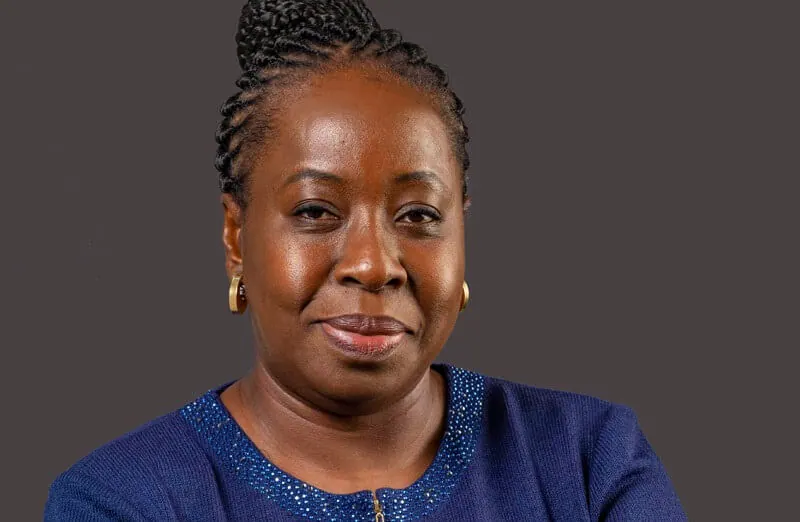
Funke Opeke, Founder of MainOne and guest speaker at the event, emphasized that building corporate reputation goes beyond having a trustworthy individual as CEO. She noted that reputation extends to all stakeholders, including suppliers, regulators, employees, customers, and the people who pay for goods and services. Opeke asked, "how is managing reputation and engendering trust codified into your strategy, policies, and business practices?"
The President/Chairman of Governing Council of CIoD, Mr. Otunba Oyebanji, charged newly inducted Distinguished Fellows and Fellowship members to earn and preserve the confidence of their investors, customers, employees, regulators, business partners, and the wider society. He noted that reputation is a governance responsibility, a strategic asset, and an important component of institutional resilience. Oyebanji explained that trust influences whether investors commit capital, customers remain loyal, and employees are proud to be associated with an institution.
Oyebanji stressed that Boards have a central role to play in building and protecting earned trust. He noted that a Board earns confidence through the quality of its decisions, the integrity of its oversight, the transparency of its processes, and the effectiveness of its risk management. The CIoD President also emphasized that Boards shape the culture of the organization, and where the Board demonstrates integrity, accountability, transparency, and ethical leadership, those values can cascade throughout the organization.
Conversely, Oyebanji warned that weaknesses in governance and leadership can quickly develop into financial, regulatory, operational, and reputational consequences. He advised corporate leaders to continually ask not only if a decision is commercially sound but also if it is ethical, responsible, and transparent. Oyebanji noted that the Institute's mandate goes beyond conferring professional recognition, as it is committed to advancing excellence in corporate governance.
Alhaji Tijjani Borodo, Chairman, Fellows and Awards Committee, cautioned that Fellowship status is not merely a title but a standing entrusted to bearers by their peers, which carries enduring obligations. He enjoined Fellows to lead by example, uphold the values of the Institute, and serve the profession and the wider society with distinction. Borodo noted that trust is a strategic asset, among the most valuable that any organization can hold, and that it is fragile and can be lost through a lapse in judgment, an ethical failure, or weak governance.
The event aimed to strengthen the competence, professionalism, ethical consciousness, and leadership capacity of directors in Nigeria. The CIoD President assured that the Institute would remain relevant, forward-looking, and responsive, providing directors with the knowledge, tools, and perspectives required to lead effectively and responsibly. He noted that Fellowship of the Chartered Institute of Directors Nigeria is a mark of distinction and a call to greater responsibility.
Key points
- Trust capital is essential for organizational sustainability in Nigeria.
- Corporate leaders must prioritize earning and preserving stakeholder trust.
- Boards play a central role in building and protecting earned trust.