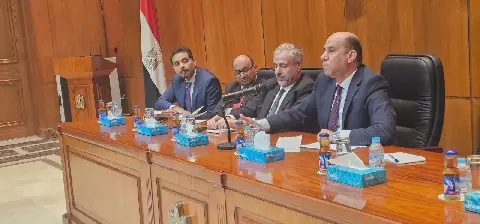
US President Donald Trump directly warned Chinese President Xi Jinping against providing assistance to Iran during their talks in Washington, according to the US ambassador to China. Ambassador David Perdue, who attended the bilateral meetings, told CNBC that Trump made clear that any Chinese assistance to Tehran -- including intelligence, components, or military equipment -- was "totally unacceptable." Perdue stated that there has been indirect support, but no direct evidence.
Perdue said that Beijing had given Washington assurances that it was not providing such assistance. "We've seen movement...on that already. That's what the commitment is. They assured us yesterday they're not doing that," he said. The comments come after US lawmakers and national-security experts had urged Trump to confront Xi over allegations that Chinese entities have helped Iran through satellite intelligence, weapons components, and purchases of sanctioned Iranian oil.
Beijing has denied providing Tehran with military or intelligence support. Xi instead publicly called for Washington and Tehran to return to negotiations aimed at ending the war and reopening the Strait of Hormuz. Iranian Foreign Minister Abbas Araqchi said on September 25 that Tehran has given Washington a "concrete" plan to reopen the key Strait of Hormuz. Araqchi stated that if the necessary conditions are met, the strait can be reopened, and a normal maritime passage restored within seven days.
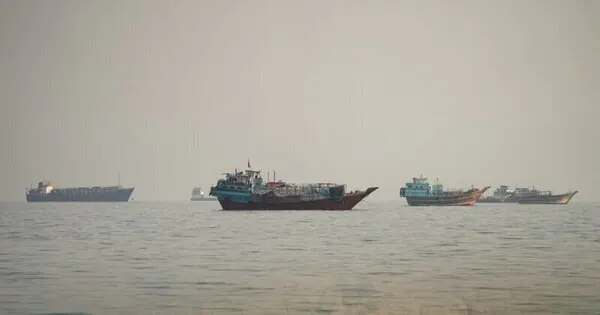
The effective closure of the Strait of Hormuz has long been a central issue in the war between the United States and Iran and a major obstacle to a negotiated settlement aimed at ending the broader conflict in the Middle East. Since the early days of the war, Tehran has restricted access to the waterway in response to US and Israeli attacks on Iran, disrupting global oil markets and sending prices soaring.
In the following months, Iran also sought to impose a toll on vessels passing through the strait. The United States, in turn, imposed a naval blockade on Iran in mid-April and reinstated it in July, diverting ships and preventing them from reaching Iranian ports. Meanwhile, Yemens President Rashid al-Alimi called on Yemenis on September 25 to mobilize and join the armed forces.
Al-Alimi also offered a future general amnesty to Iran-backed Houthi fighters and affiliates who leave the group on or after September 26. Yemen descended into civil war in 2014 when the Houthis seized the capital, Sanaa, ousting the internationally recognized, Saudi-backed government. A 2022 truce had largely held until recently.
Iraqi airports have suspended flights operated by Iranian airlines after the United States targeted Tehrans aviation sector. At least five other countries have imposed similar restrictions. All flights to and from Iran have been suspended at airports in Baghdad, Najaf, Erbil, and Sulaimaniya, according to Iraqi state media and sources cited by Reuters on September 25.
Key points
- Trump warned Xi against supporting Iran during their talks in Washington.
- Beijing denied providing Tehran with military or intelligence support.
- Iraqi airports suspended flights operated by Iranian airlines after US sanctions.