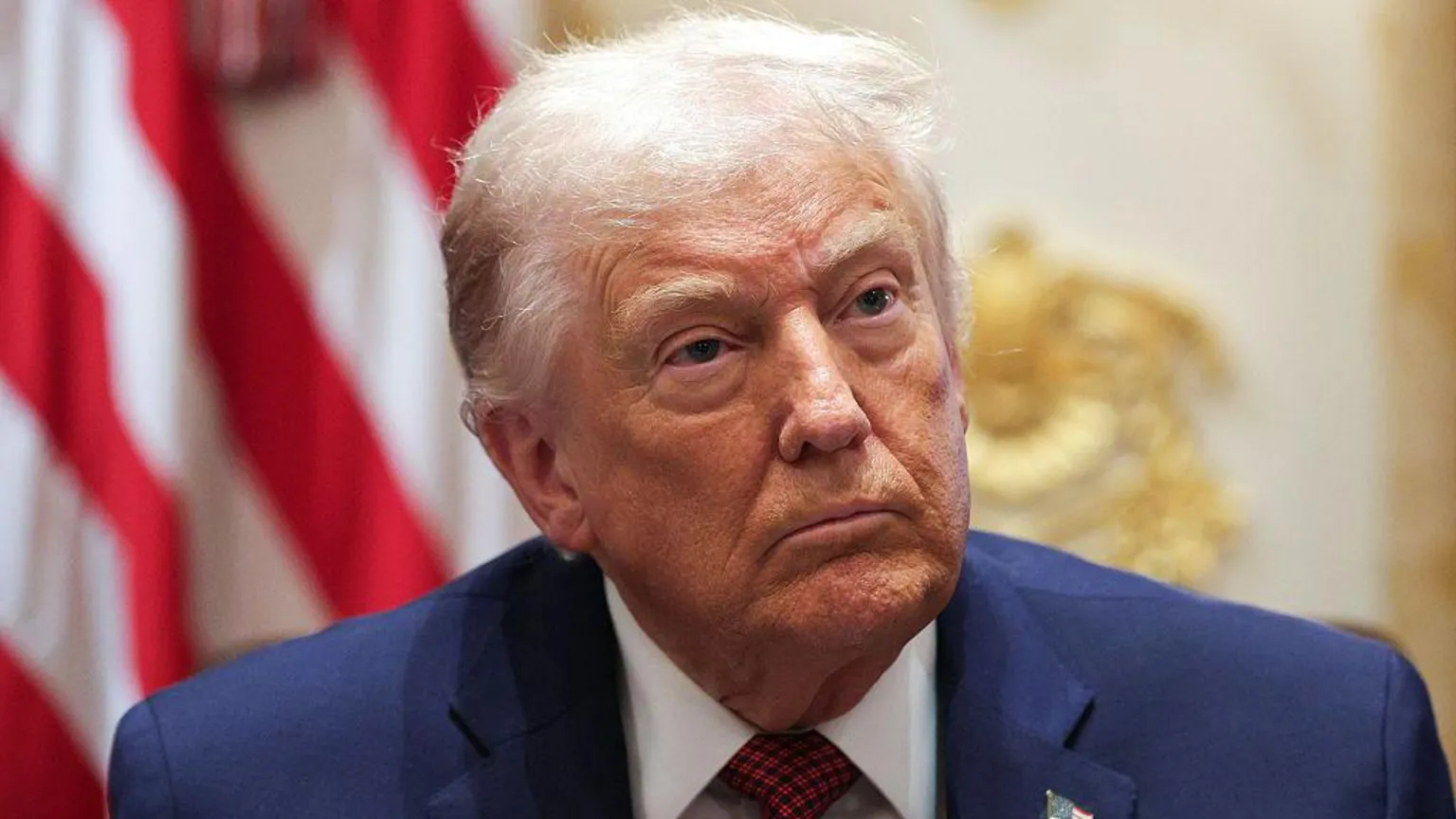
US President Donald Trump has called on all countries that belong to the International Criminal Court (ICC) to withdraw from the tribunal. Speaking during the 81st United Nations General Assembly, Trump described the ICC as a "rogue institution" and said the United States would not accept its authority. He accused the court of targeting American personnel and declared that Washington will not allow its service members or other Americans to face investigations or trials before the court.
Trump's call has particular relevance for Kenya, where former President Uhuru Kenyatta and his successor, President William Ruto, were both indicted by the ICC in 2012 over the 2007-08 post-election violence. The cases later collapsed in 2014 and 2015 amid claims of witness interference and evidence tampering, leaving the court's role in Kenya's political affairs a contested issue. Kenya has its own experience with the ICC, and Trump's call for member states to quit the court comes as Ruto's UNGA agenda focuses on strengthening Africa's position within multilateral institutions.
In his address to the UNGA, Trump directly called on the 125 countries that are members of the ICC to leave the court. "I call on all nations that are members of the ICC to officially resign from this rogue institution immediately," he said. Trump's remarks came as Ruto used his own UNGA 81 address to call for changes to international institutions rather than abandoning them. Ruto argued that Africa's main challenge is not a lack of money but a global financial system whose rules disadvantage the continent.
Ruto renewed calls for permanent African representation on the UN Security Council, highlighting the need for reforms to give Africa a stronger voice in international affairs. The positions presented by the two leaders at the UN were different, with Trump calling on countries to leave the ICC while Ruto pushed for changes to the international system. Trump's call for countries to quit the ICC reflects a long-standing US criticism of the court, which has been at odds with the US over issues such as jurisdiction and accountability.
Trump also used his 25-minute address to issue a warning over Iran, putting the possibility of a deal against military action that he said could "annihilate" the Islamic Republic. He raised questions about the potential for a deal with Iran, saying "Will a deal be made with Iran that lets them rebuild and create a far greater country than it ever was before, maybe one of the greatest in the Middle East or even the world? Or do I annihilate the Islamic Republic and do it quickly, never giving them a chance to kill and destroy people and countries again?"
The ICC has been a subject of controversy in Kenya, with some arguing that the court's involvement in the country's affairs was unwarranted and politically motivated. Others have argued that the court played a crucial role in holding leaders accountable for human rights abuses. Trump's call for countries to quit the ICC has sparked concerns about the potential impact on international justice and accountability.
The US has been a vocal critic of the ICC, and Trump's call for countries to withdraw from the court reflects a long-standing US skepticism about the tribunal's role and jurisdiction. The ICC has 125 member states, and it remains to be seen whether any countries will heed Trump's call to withdraw from the court. The controversy surrounding the ICC and Trump's call for countries to quit the court highlights the complex and often contentious nature of international justice and accountability.
Key points
- Trump calls on ICC member states to withdraw from the tribunal, accusing it of targeting American personnel.
- The call has particular relevance for Kenya, where former President Uhuru Kenyatta and President William Ruto were indicted by the ICC in 2012.
- Trump's remarks came as Ruto used his own UNGA 81 address to call for changes to international institutions rather than abandoning them.