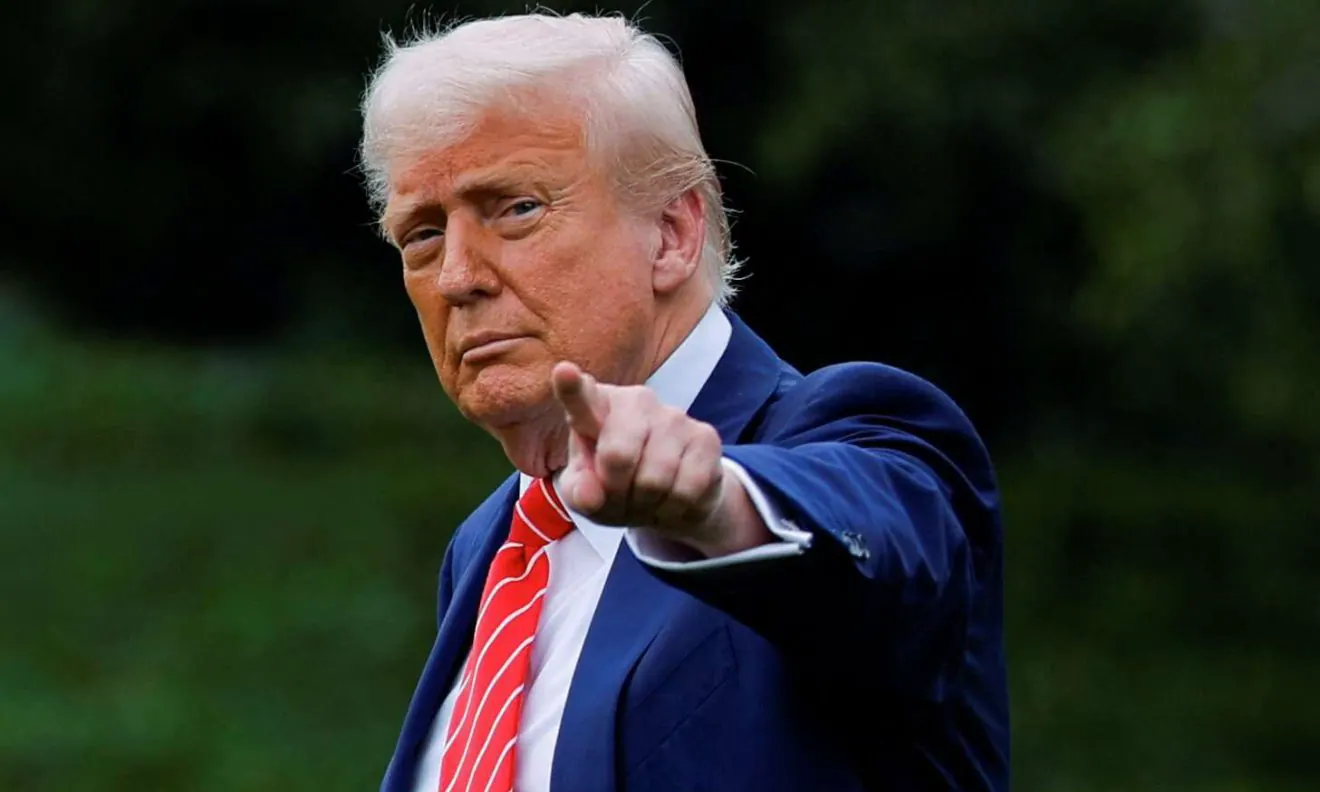
US President Donald Trump has urged member states of the International Criminal Court to withdraw from the institution, which he claimed was dysfunctional. Speaking at the 81st United Nations General Assembly, Trump criticized the ICC, stating that the US would not recognize its authority over American citizens. He emphasized that the US would not allow its soldiers or citizens to be prosecuted or tried by a court that, in his view, had no jurisdiction over the country.
Trump's comments have significant implications for Kenya, given its past interactions with the ICC. Former President Uhuru Kenyatta and current President William Ruto were charged with crimes against humanity in 2012 related to post-election violence in 2007-2008. Although the charges were later dropped due to lack of evidence and allegations of witness tampering, the issue of the ICC's role in Kenya remains a sensitive topic. Trump's call for withdrawal comes as President Ruto has been advocating for stronger international institutions.
In contrast to Trump's skepticism towards international institutions, Ruto has emphasized the need for reform to make them more equitable for developing nations. At the UNGA, Ruto highlighted Africa's challenges, including a global financial system that he believes hinders the continent's development. He also reiterated the long-standing demand for Africa to have permanent representation on the UN Security Council. Trump's criticism of the ICC has sparked debate, particularly in light of Ruto's push for institutional reforms.
Trump's address also targeted Iran, which he accused of supporting terrorism and violating human rights. He warned that the US could impose severe economic sanctions on Iran unless it changed its behavior. Trump questioned whether Iran would choose to negotiate a new deal that would allow it to rebuild its economy or face severe consequences from the US. He claimed that the US had offered Iran a chance to cooperate fully with the international community, but Tehran had rejected the proposal.
The Iranian delegation partially walked out of the UNGA session as Trump spoke about military operations against Iran. Iranian President Masoud Pezeshkian and Foreign Minister Abbas Araghchi, who were in New York for the UN meeting, did not attend the session. Trump urged the international community to isolate Iran economically until it ceased its alleged support for terrorism and stopped its nuclear program. He accused the Iranian leadership of showing weakness rather than strength.
Trump also touched on the conflict in Ukraine, expressing optimism that a peaceful resolution could be reached soon. He stated that the US was working closely with Russian and Ukrainian leaders to find a solution. Trump expressed hope that an agreement to end the conflict would be reached within a short period. His comments on Ukraine and Iran were part of a broader address that covered various global issues.
The debate over the ICC's role and effectiveness is ongoing, with some countries supporting its work and others criticizing its jurisdiction and procedures. Trump's call for member states to withdraw from the ICC has sparked a renewed discussion on the institution's future and its relationship with countries like the US, Kenya, and Iran. The implications of Trump's comments and the potential consequences for international relations and global governance remain to be seen.
Key points
- Trump urges ICC member states to withdraw from the institution, citing its alleged dysfunction.