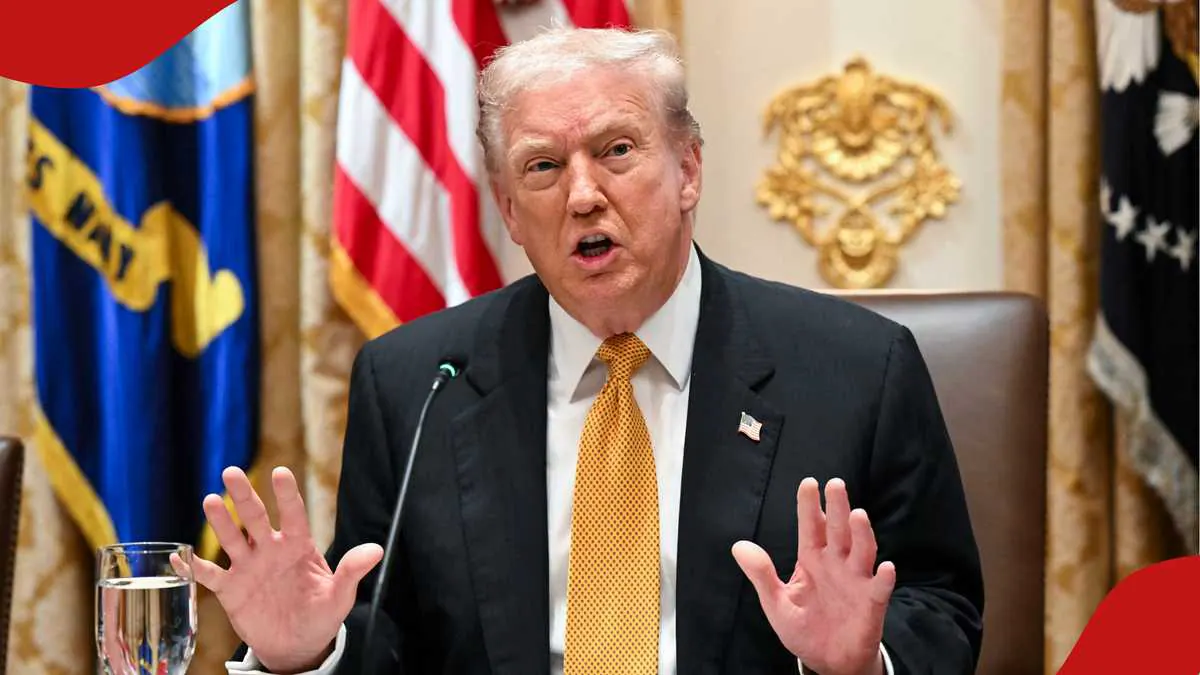
On September 18, 2026, US President Donald Trump signed an executive order directing federal agencies to take a closer look at companies that have recently laid off American workers while continuing to hire foreign workers on H-1B visas. The order targets companies accused of cutting US jobs and hiring foreign workers at lower wages. This move aims to protect American workers and ensure that the H-1B programme is not exploited by employers.
The executive order requires the Departments of State, Labor, and Homeland Security to consider recent or planned layoffs by sponsoring employers when processing H-1B visa applications. The directive specifically requires agencies to determine whether an employer has laid off workers within the previous year or intends to make future reductions that could negatively affect similarly positioned American employees. This information will be used to decide whether to approve a Labour Condition Application, H-1B petition, or visa application.
The Trump administration alleges that some employers have exploited the H-1B programme, originally intended to bring in specialised talent to supplement the US workforce, by replacing American workers with lower-paid foreign labour. According to the White House, technology sector employers collectively requested H-1B visas for hundreds of thousands of foreign workers while shedding between 800,000 and 1.3 million American jobs between 2022 and 2026. The administration also criticised outsourcing business models, asserting that H-1B workers are frequently used to facilitate the gradual offshoring of entire job functions.
The Department of Labour has been given 30 days to review previously filed Labour Condition Applications to determine whether further action is warranted. The review will assess whether investigations or further action against sponsoring employers are necessary. The order also calls for greater sharing of wage, employment, and labour-market data among federal agencies during H-1B adjudications. This increased scrutiny may result in more rigorous examination of offered wages, job duties, and qualification requirements.
The debate over layoffs and simultaneous H-1B hiring is not new. In 2025, US senators Chuck Grassley and Dick Durbin questioned companies including TCS, Cognisant, Amazon, Microsoft, Google, Meta, and Apple over their hiring and redundancy practices. Those companies disputed or rejected aspects of the senators' assertions at the time. The executive order now shifts the issue from congressional questioning to formal regulatory action.
The order could result in heightened scrutiny of H-1B petitions, particularly given recent expansions of job requirement disclosures on H-1B petitions by US Citizenship and Immigration Services. The increased scrutiny may affect companies that have been accused of misusing the H-1B programme. The executive order aims to ensure that American workers are protected and that the H-1B programme is used as intended.
The new regulations may have significant implications for companies that rely heavily on H-1B visas. The order may lead to increased scrutiny of offered wages, job duties, and qualification requirements, which could affect the approval of H-1B petitions. The Trump administration's move aims to protect American workers and ensure that the H-1B programme is not exploited by employers.
Key points
- The Trump administration's executive order aims to protect American workers by scrutinising companies that have recently laid off workers while hiring foreign workers on H-1B visas.