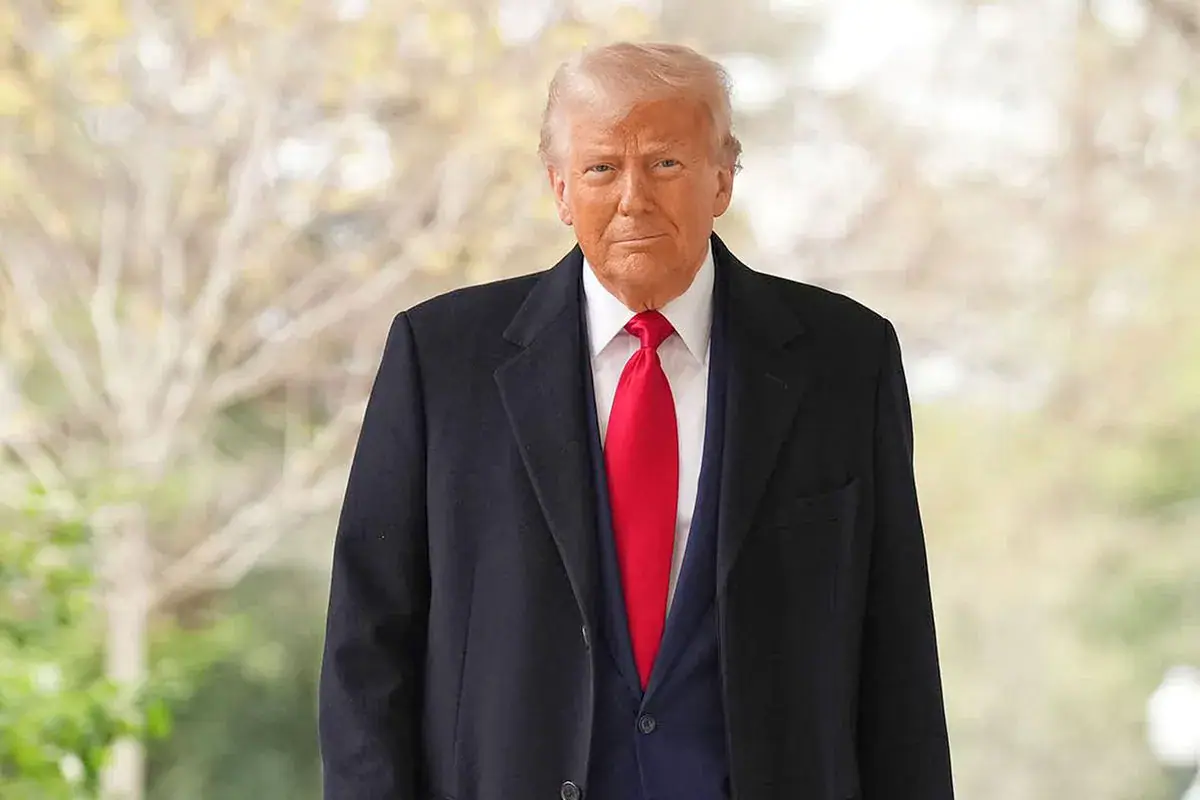
The prospect of stronger political checks on US President Donald Trump could ease geopolitical tensions, improve investor confidence, and create fresh opportunities for emerging markets, including African economies. According to financial analysts, shifting political dynamics in the US following recent elections could moderate some of the uncertainty surrounding Washington's trade policies, international relations, and approach to geopolitical conflicts.
Standard Bank Group Chief Economist and Head of Research Goolam Ballim said emerging developments in the US suggested the possibility of a more balanced political and economic environment. Speaking to The Citizen on the sidelines of the One Young World Summit in Cape Town, Mr Ballim pointed to falling oil prices as one indication that fears of further military escalation between the US and Iran were easing.
Mr Ballim argued that reduced risks of a prolonged military confrontation were important for the global economy because conflicts in major oil-producing regions could disrupt energy supplies, push up commodity prices, and weaken investor confidence. He also said the changing political balance in Washington could place greater constraints on President Trump, potentially moderating his administration's approach to international trade and diplomacy.
Although President Trump retains significant executive powers, including the presidential veto, Mr Ballim said the changing political environment could strengthen institutional checks on his administration and encourage a less confrontational approach. Such a shift, he said, could improve market sentiment if investors become more confident that US policies will be less unpredictable.
African economies could gain from improved global risk appetite through increased investment flows, stronger financial markets, and better access to international capital. Mr Ballim said some African markets had already recorded gains as investors diversified beyond technology companies, particularly those benefiting from the artificial intelligence infrastructure boom, towards other sectors.
Tanzania's currency, the shilling, has traded at around Sh2,600 against the dollar throughout the year, despite the seasonal increase in foreign currency inflows usually associated with cashew nut exports, minerals, transport services, and tourism. Stanbic Bank Tanzania Head of Trading Farid Ally attributed the pressure partly to disruptions in global supply chains, which have increased fuel and transport costs and raised importers' demand for foreign currency.
The Bank of Tanzania's foreign exchange reserves and gold purchasing programme have helped cushion the economy against external shocks. The central bank's introduction of an Electronic Matching System, which allows selected commercial banks to participate in market-making activities, is also an effort to improve foreign exchange market operations.
Key points
- A more balanced US political environment could improve market sentiment and boost global economy.
- African economies may benefit from improved global risk appetite through increased investment flows.
- Tanzania's currency resilience has been tested by geopolitical tensions and disruptions to international supply chains.