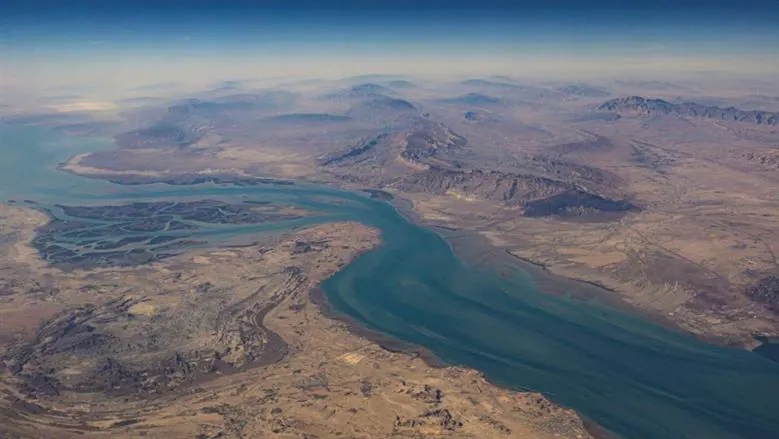
The United States and Iran have been engaged in a delicate dance of diplomacy, with US President Donald Trump's administration seeking to negotiate a new agreement with Tehran. However, according to Dr. Ihsan Al-Khatib, a professor of political science at Murray State University, Trump's ambitions for a peaceful resolution have been complicated by Iran's determination to control the Strait of Hormuz, a vital waterway for global oil exports.
Dr. Al-Khatib noted that Trump had initially expressed a desire to win the Nobel Peace Prize through his efforts to broker a peace deal with Iran. However, his attempts to negotiate with Tehran have been met with resistance, particularly over the issue of the Strait of Hormuz. Iran has sought to change the legal status of the strait, which the US finds unacceptable.
Despite these challenges, the US remains open to dialogue with Iran, with various Arab mediators, including Qatar, playing a crucial role in facilitating talks between the two nations. Dr. Al-Khatib emphasized that the US is willing to engage in discussions with Iran, but trust issues and lingering animosity have hindered progress.
One of the key sticking points in the negotiations is the question of who holds decision-making power in Iran. This uncertainty has led the US to question the feasibility of reaching a mutually beneficial agreement. Furthermore, the Iranian government's insistence on controlling the Strait of Hormuz has raised concerns in Washington about the potential risks to global energy security.
The situation has become increasingly complex, with Iran's actions prompting concerns about the potential for conflict. Dr. Al-Khatib stressed that the US is not seeking to escalate tensions, but rather to find a peaceful resolution to the impasse. However, with Iran's continued pursuit of its interests in the Strait of Hormuz, finding a solution that satisfies both parties has proven elusive.
The international community is watching the developments closely, with many experts warning about the potential consequences of a breakdown in diplomatic efforts. As the situation continues to unfold, it remains to be seen whether the US and Iran can find common ground and work towards a more peaceful and stable relationship.
The Egyptian government, along with other regional players, is closely monitoring the situation and exploring ways to support a peaceful resolution. Egyptian Foreign Minister has emphasized the importance of dialogue and cooperation in resolving the crisis, highlighting the need for all parties to work together to achieve a mutually beneficial outcome.
Key points
- The US and Iran are engaged in delicate diplomacy over the Strait of Hormuz.
- Trump's pursuit of a Nobel Peace Prize through diplomacy with Iran has stalled.
- The international community is watching the developments closely, warning about the potential consequences of a breakdown in diplomatic efforts.