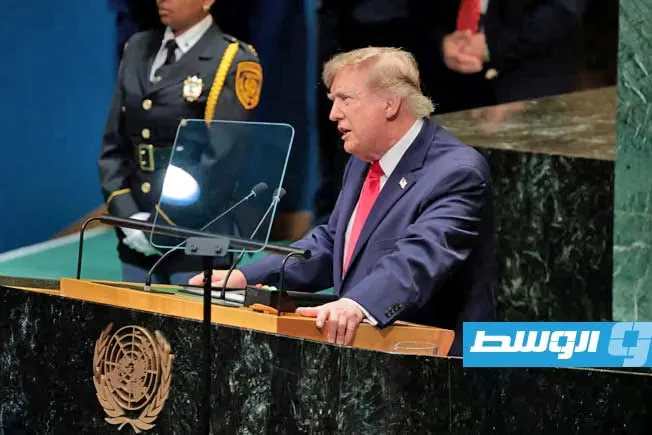
US President Donald Trump has officially rejected an Iranian proposal to reopen the Hormuz Strait, a vital waterway for global oil exports. The proposal, which was presented to the US through intermediaries, aimed to halt hostilities and restore navigation through the strait. According to Trump, the Iranian plan would have allowed them to gain significantly, as large quantities of oil pass through the strait daily.
Iranian Foreign Minister Abbas Araghchi revealed that Tehran had presented a 7-day plan to the US via Qatar, which included a gradual reopening of the strait. The plan proposed that the strait would be fully operational by the sixth day, with negotiations on agreed-upon issues commencing on the seventh day. Araghchi emphasized that the US must take concrete steps within 4-5 days to demonstrate its commitment.
The Iranian proposal included a comprehensive agreement to cease all hostilities in the Middle East, release around $12 billion in frozen Iranian assets, and lift US sanctions on Iranian oil exports. In return, Iran would reopen the Hormuz Strait, a critical passage for global oil supplies. Araghchi stressed that Iran would not compromise its sovereignty or abandon its rights under pressure.
Trump expressed skepticism about Iran's intentions, citing concerns about their commitment to the agreement. According to US officials, Trump is hesitant to engage in further conflict, partly due to the dwindling US ammunition stockpile. The US president reportedly expects to resume airstrikes on Iran after the US midterm elections.
The Hormuz Strait has been a point of contention between the US and Iran, with Tehran claiming control over the waterway and the US asserting that it remains open to navigation. Iranian Revolutionary Guard Corps spokesperson Hossein Mobebi stated that Tehran would continue to "punish the US" until its demands are met.
The rejection of the Iranian proposal has significant implications for the region, as tensions between the US and Iran continue to escalate. The Hormuz Strait is a vital artery for global oil exports, and any disruption to its operations could have far-reaching consequences for the global economy.
The situation remains fluid, with both sides engaging in diplomatic efforts to find a resolution. However, with Trump's rejection of the Iranian proposal, it appears that a peaceful resolution may be elusive in the near term. The international community remains watchful, as the conflict between the US and Iran continues to simmer.
Key points
- Trump rejects Iranian proposal to reopen Hormuz Strait
- Iranian proposal included a 7-day plan to restore navigation through the strait
- US and Iran continue to engage in diplomatic efforts to find a resolution