The ongoing conflict between the United States and Iran has taken a new turn, with reports emerging that President Donald Trump has rejected an Iranian proposal for a seven-day ceasefire and the reopening of the Strait of Hormuz. According to sources, Trump has informed his aides that he expects to resume strikes against Iran after the midterm elections in November. This development comes as the number of injured US military personnel since the start of the war has risen to 861.
The US Pentagon has confirmed that 37 new injuries have been recorded among American troops, bringing the total number of wounded soldiers to 861. The injuries include 29 from the Navy and 8 from the Marine Corps. This update comes as the war has been ongoing for nearly seven months, with the US military facing significant challenges in terms of resources and personnel.
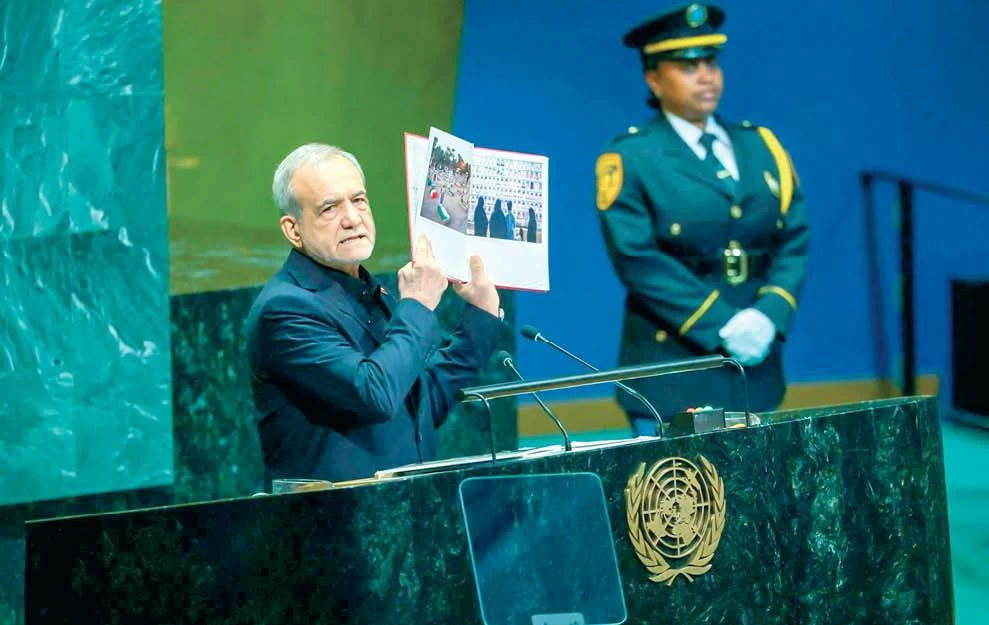
Iranian President Masoud Pezeshkian has stated that his country is willing to negotiate on its nuclear program, emphasizing that sanctions and military pressure will not force Tehran to surrender. Pezeshkian also expressed his country's commitment to the nuclear deal, stressing that Iran has not sought to produce a nuclear bomb. He further noted that Tehran is open to international inspections and verification.
The conflict has also sparked concerns about the humanitarian situation in Iran, with Pezeshkian refuting estimates of the number of casualties during the January protests. According to the Iranian government, 3015 people were killed, including around 500 police and security personnel and 1500 civilians. The President described the events as an attempt to overthrow the government, rather than a simple protest.
In a significant diplomatic development, Iranian Foreign Minister Abbas Araghchi met with his Turkish counterpart Hakan Fidan in New York, on the sidelines of the 81st United Nations General Assembly. The meeting comes as part of intensified regional and international efforts to find a solution to the conflict. Meanwhile, the spokesperson for the Iranian Foreign Ministry has accused European countries of participating in the war against Iran.
The US and Iran have been locked in a war of words, with Trump expressing skepticism about Iran's willingness to meet US demands on its nuclear program. The Iranian government has insisted that it will not back down on its nuclear program, leading to concerns about a potential escalation of the conflict. According to sources, Trump has expressed doubts about the feasibility of a negotiated settlement.
The conflict has also had significant implications for the global economy, with oil prices rising sharply in response to the tensions. The international community has called for restraint and a return to diplomatic efforts to resolve the crisis. As the situation continues to unfold, there are growing concerns about the potential for further escalation and the humanitarian consequences of the conflict.
Key points
- Trump rejects Iranian ceasefire proposal
- US military reports 861 injured personnel
- Iran willing to negotiate on nuclear program