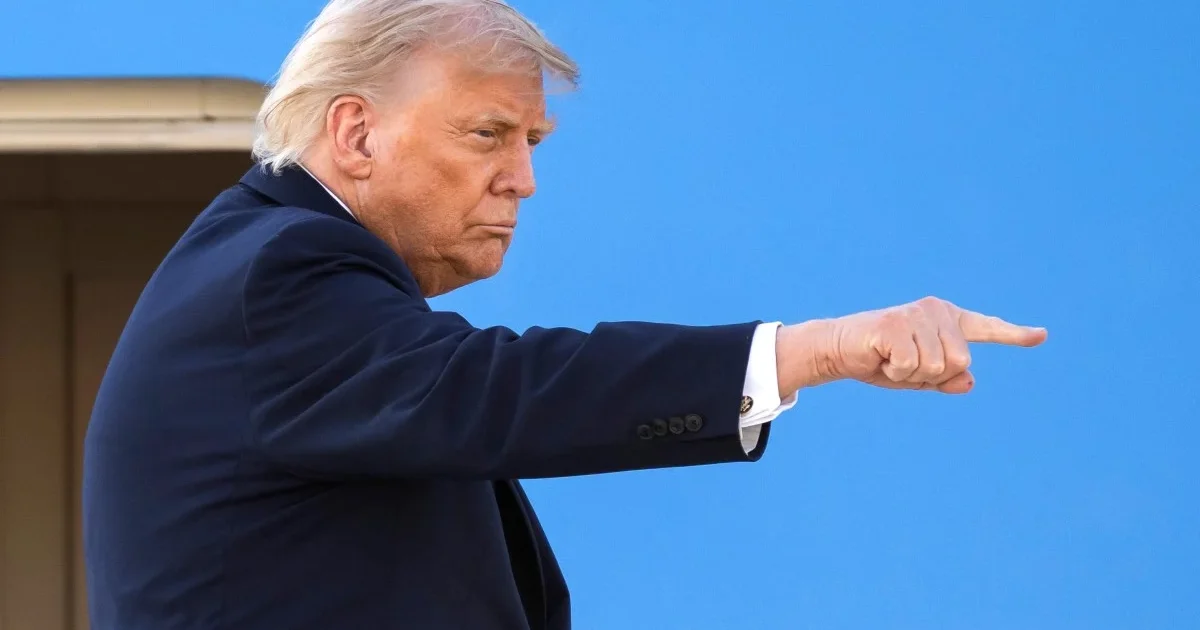
US President Donald Trump said on Sunday that he expects talks with Iran to resume in the coming week, despite rejecting a truce proposal put forward by Tehran. Iranian officials brought a plan for a seven-day truce followed by the reopening of the Strait of Hormuz shipping channel to the UN General Assembly in New York. Trump dismissed the plan, but he told Axios that he expects negotiations to resume.
Trump's comments come as the conflict between Washington and Tehran remains unresolved. The conflict began nearly seven months ago when the US and Israel launched a wave of strikes against Iran. The Strait of Hormuz, a key chokepoint for the world's energy supplies, is central to the conflict. Iran's plan called for a cessation of all hostilities in the Middle East, including in Lebanon, and a return to the conditions in an earlier ceasefire deal that fell apart.
Iranian Foreign Minister Abbas Araghchi said on Sunday that Iran's conditions for reopening the Strait of Hormuz are clear. He stated that any move toward reopening the strait is contingent upon these conditions being fulfilled. Araghchi emphasized that Iran has never closed the door to diplomacy or negotiations, but has never backed down from its rights.
Washington's ambassador to the UN, Mike Waltz, accused Tehran of demanding too much in exchange for a return to the negotiating table. He described Iran's proposal as a "cynical attempt" to put something on the table that they knew was unacceptable. Waltz expressed skepticism about the prospects for a new deal, citing the president's lack of confidence after a previous attempt at negotiations.
Meanwhile, Iran's Revolutionary Guards said on Sunday that they seized an American submersible drone in the Strait of Hormuz. The drone was allegedly being used "for espionage purposes" and is now in the hands of the Guards' specialists for data recovery.
The conflict between Washington and Tehran has also involved sporadic bombings of Iranian coastal areas by the US in retaliation for Iran's targeting of commercial ships in Hormuz. Iran requires ships to obtain authorization before passage, citing security and sovereignty reasons.
Hossein Mohebi, a spokesman for Iran's Revolutionary Guards, said that Iran will not cease punishing the US until its seven conditions are met. Mohebi had previously told AFP that ending hostilities in Yemen was also among Tehran's demands.
Key points
- US President Donald Trump expects talks with Iran to resume despite rejecting Tehran's truce proposal.
- Iran's conditions for reopening the Strait of Hormuz include the release of frozen Iranian assets and the lifting of sanctions on Iranian oil.
- The conflict between Washington and Tehran began nearly seven months ago when the US and Israel launched a wave of strikes against Iran.