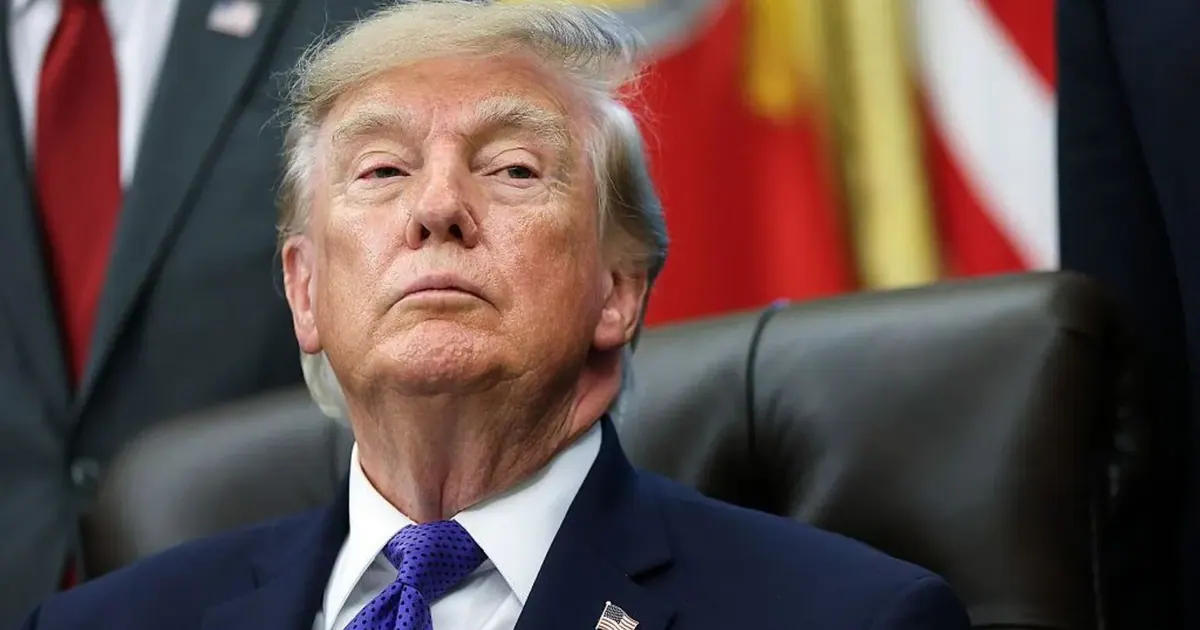
US President Donald Trump announced on October 6, 2026, that he will cease using taxpayer funds for television ads that promote his presidency and policies. This decision comes after facing bipartisan criticism for using government money for what many saw as political advertisements. The ads in question have aired over recent weeks, highlighting Trump's achievements such as tax cuts and law enforcement efforts.
The ads drew significant attention and criticism due to concerns about their legality under laws prohibiting the use of government funds for political advertising. Trump's administration defended the ads, labeling them "educational" and comparing them to public service announcements from previous administrations. However, legal experts and lawmakers argued that these ads primarily served to promote the president rather than serve a legitimate government purpose.
The controversy led to a measure introduced by Democratic Senator Maggie Hassan of New Hampshire, which condemned the use of government funds for these advertisements. Although the measure was blocked by a Republican, it garnered support from some across the aisle, including Republican Senate Majority Leader John Thune, who stated that while he liked the message, it shouldn't be funded with taxpayer dollars.
Senator John Kennedy, a Republican from Louisiana, also voiced his disapproval, stating that public officials should not use taxpayer money for personal promotional ads. This sentiment was echoed by legal ethics expert Margaret Dylus-Yukins, who noted the difficulty in identifying a legitimate government purpose for spending taxpayer dollars on such ads.
The ads in question aired just before the pivotal November midterm elections, during which Democrats hoped to gain control of one or both chambers of the US Congress. These elections often reflect public sentiment towards the sitting president, with the party of the president typically losing seats in Congress. Trump's approval ratings had been falling, according to polls, adding to the significance of the timing.
Trump announced that he would personally fund the "Patriotic Ads" through his MAGA Inc super political action committee. The ads praised his presidency and policies, including his tax cuts and efforts on law and order. Some critics argued that the content of the ads, which included vows to take action against perceived enemies, further blurred the line between educational content and political promotion.
The decision to end the use of taxpayer funds for these ads marks a shift in how Trump's administration approaches promotional content. While the administration had pointed to previous examples of government-funded ads under former Presidents Barack Obama and Joe Biden, the current controversy highlights the challenges of drawing a line between public service announcements and political advertisements.
Key points
- President Trump will stop using taxpayer funds for his promotional ads amid bipartisan criticism.
- The ads in question were criticized for potentially violating laws against using government money for political purposes.
- The decision comes ahead of the November midterm elections, with Trump's approval ratings reportedly falling.