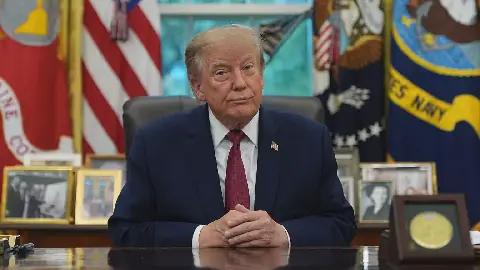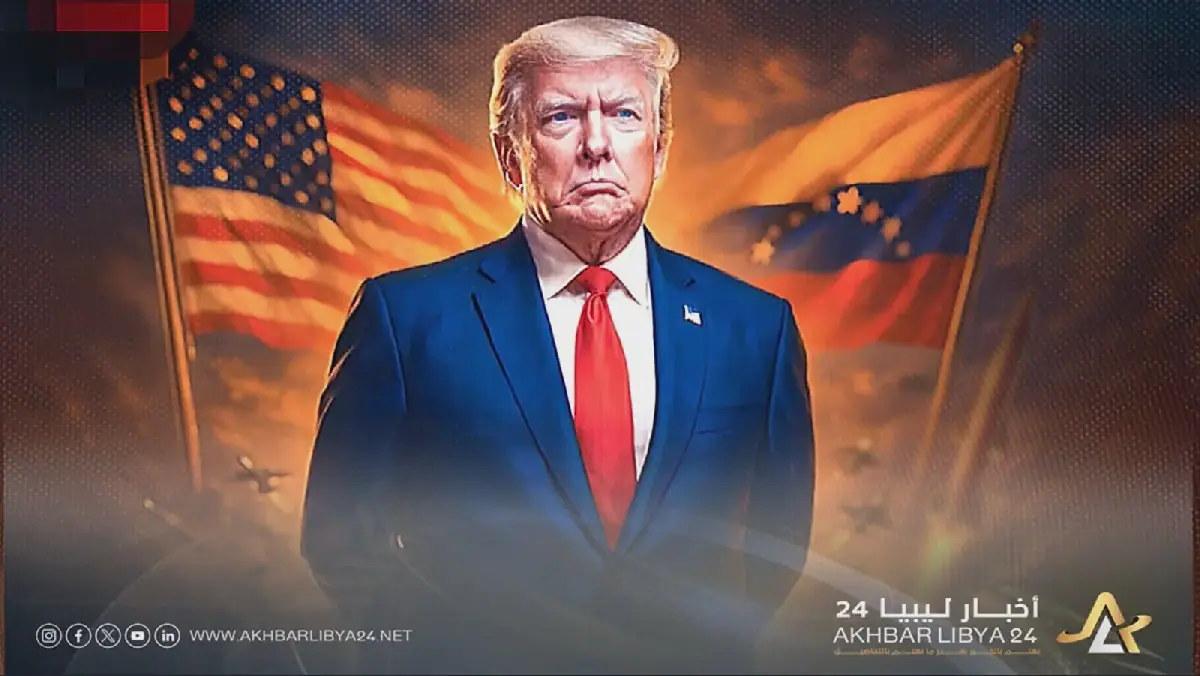
US President Donald Trump has indicated that the likelihood of a return to military conflict with Iran is low, provided that ongoing talks between the two nations continue to make progress. In a statement, Trump said it was unlikely that he would order a return to war with Iran as long as diplomatic efforts continued. This development comes amid intensified diplomatic efforts to de-escalate tensions between the US and Iran.
Iranian Foreign Minister Abbas Araghchi has stated that the decision on the next steps in relations with the US now rests with the American administration. Araghchi presented Washington with two options: to accept Iran's proposal and continue down a diplomatic path or to opt for a return to military confrontation. He emphasized that Iran's proposal, which includes an end to war on all fronts, remains on the table.
Araghchi's comments reflect Iran's determination to pursue a diplomatic resolution while also warning of the consequences of choosing conflict. He noted that if the US were to choose war, it would face significant resistance from Iranian forces, which he described as vigilant and well-trained. This message underscores the complexities and challenges in efforts to achieve a peaceful resolution.
Diplomatic efforts to resolve the tensions have been underway, with Qatari mediators working on a draft agreement that would involve a series of confidence-building measures over a three-day period. The aim is to create conditions for a resumption of direct talks between Washington and Tehran. These efforts seek to reduce differences and pave the way for a broader understanding.
The Qatari initiative comes after rounds of indirect talks that have not yet resulted in a breakthrough. However, consultations continue regarding a potential agreement to end the confrontation. The involvement of Qatar and other mediators reflects the international community's interest in preventing further escalation in the region.
The current situation has significant implications for regional stability and global energy markets. Trump's comments suggest that a diplomatic solution is possible if negotiations continue to progress. However, Iran's insistence on its demands and its readiness for confrontation if no agreement is reached keeps the situation uncertain.
The next steps in US-Iran relations will depend on the decisions made by the US administration in response to Iran's proposals. The international community watches closely, hoping that diplomatic efforts will yield a peaceful resolution. Key points include Trump's openness to diplomacy, Iran's proposal on the table, and the mediating efforts by Qatar.
Key points
- Trump indicates low likelihood of returning to war with Iran if talks progress.
- Araghchi presents Washington with options of agreement or confrontation.
- Qatari mediators work on a draft agreement for confidence-building measures between US and Iran.