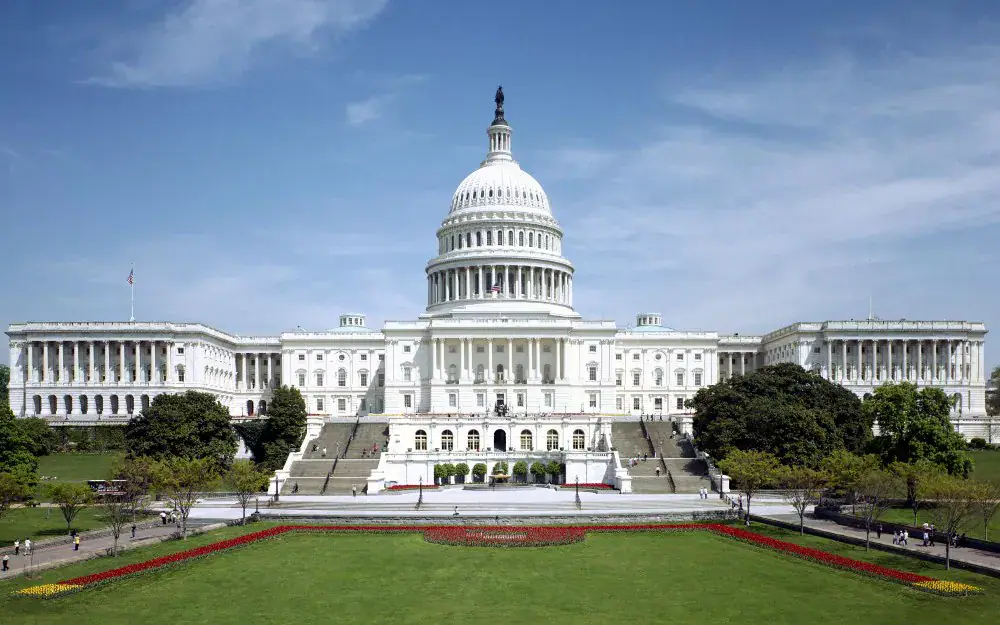
US President Donald Trump has conceded defeat in the midterm elections, acknowledging that his Republican Party has lost control of both the Senate and House of Representatives. In a phone interview with Fox News, Trump attributed the loss partly to his stance on Iran, saying that people recognize the importance of his actions towards the country. The Democratic Party's victory marks a significant shift in the balance of power in Washington, with the party poised to play a more prominent role in opposing Trump's policies.
The Democrats' victory was decisive, with the party winning key states that had previously voted Republican. The party's success was highlighted by victories in Texas and South Carolina, where Democratic candidates James Talalrico and Annie Andrews won Senate seats that had been held by Republicans for decades. Trump's efforts to support Republican candidates, including rallying his supporters and making public appearances, ultimately failed to stem the Democratic tide.
The midterm elections were seen as a referendum on Trump's presidency, with many voters expressing dissatisfaction with his policies and leadership style. The Democratic victory is likely to lead to increased scrutiny of Trump's actions and policies, particularly on issues such as healthcare, immigration, and the economy. The party's control of Congress will also give it greater influence over the legislative agenda, potentially limiting Trump's ability to pass new laws.
One notable outcome of the election was the historic victory of Abdulrahman Abdual, a Muslim Democrat who won a Senate seat in Michigan. Abdual, a doctor of Egyptian descent, becomes the first Muslim to be elected to the Senate, marking a significant milestone for representation in the US Congress. In his victory speech, Abdual expressed his pride and gratitude to his supporters, saying that he was honored to represent the people of Michigan.
The Democratic victory in the midterm elections has significant implications for Trump's presidency, potentially limiting his ability to pass new laws and increasing scrutiny of his policies. The party's control of Congress will also give it greater influence over the legislative agenda, potentially leading to greater opposition to Trump's policies. Trump's stance on Iran was seen as a divisive issue, with some voters expressing opposition to his hardline approach.
The elections also highlighted the changing demographics of the US electorate, with many voters from diverse backgrounds supporting Democratic candidates. The party's success was attributed to its ability to mobilize and energize its base, particularly among young people and minority communities. The midterm elections were seen as a crucial test of Trump's presidency, with many voters expressing dissatisfaction with his policies and leadership style.
In the aftermath of the election, Trump faces a new reality in Washington, with the Democratic Party poised to play a more prominent role in opposing his policies. The party's control of Congress will give it greater influence over the legislative agenda, potentially limiting Trump's ability to pass new laws. As the new Congress prepares to convene, the Democratic Party is likely to focus on issues such as healthcare, immigration, and the economy, potentially leading to greater conflict with Trump's administration.
Key points
- Democrats win control of both the Senate and House of Representatives in the midterm elections.
- Trump's stance on Iran was seen as a divisive issue, contributing to the Republican Party's losses.
- Abdulrahman Abdual becomes the first Muslim to be elected to the US Senate, marking a significant milestone for representation in the US Congress.