US President Donald Trump has stated that Washington does not believe the death of a Russian scientist, Darya Shibelova, is connected to a biological weapon. Shibelova, 28, was working at an anti-plague research institute in Irkutsk, Siberia, when she died. Trump made these comments during a press conference at the Oval Office, where he was informed about the developments in Shibelova's death by American officials.
According to Trump, Russian officials have assured him that the situation is under control, but they have not provided sufficient information about the incident. Trump expressed his expectation that Russia will share more details with the US. He also mentioned that he has made arrangements to speak with Russian President Vladimir Putin to discuss the matter, although a specific date for the call has not been set.
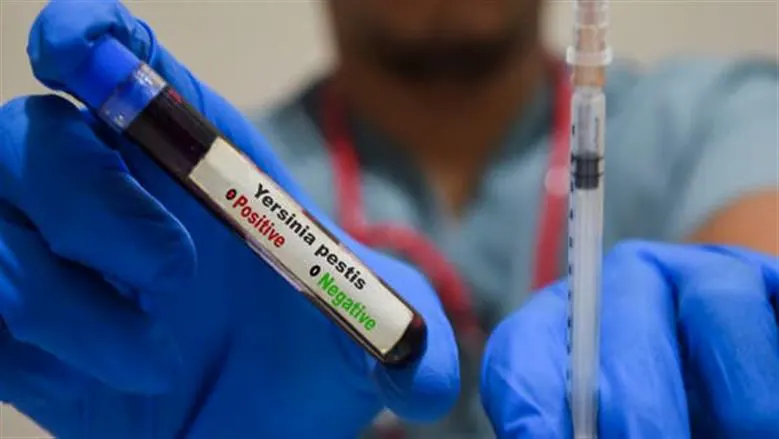
Shibelova died last week from pneumonia, although the Russian authorities have not disclosed the cause. There are unconfirmed reports suggesting that she may have been involved in an accident at the laboratory while handling plague samples. The incident has raised international concerns due to the nature of Shibelova's work and the extensive precautions taken by Russian authorities, including placing around 200 people under quarantine or medical surveillance.
The White House is closely monitoring the situation, and Trump's comments reflect the US government's interest in understanding the circumstances surrounding Shibelova's death. The US has not yet received enough information from Russia to draw definitive conclusions about the incident. Trump's statement indicates that Washington is cautiously approaching the situation, awaiting further details from Moscow.
The incident has sparked debate about the potential risks associated with biological research and the handling of pathogens. The anti-plague research institute where Shibelova worked is a specialized facility, and her death has raised questions about laboratory safety and security protocols. Russia's decision to place a large number of people under quarantine or surveillance has also been seen as a measure to prevent potential outbreaks.
The Russian government has not provided a detailed explanation for Shibelova's death, fueling speculation and concern. The international community is watching the situation closely, given the potential implications for global health and security. As the US and Russia continue to communicate about the incident, more information is expected to emerge about the circumstances surrounding Shibelova's death.
The death of the Russian scientist has highlighted the importance of transparency and cooperation in scientific research, particularly when it involves handling potentially hazardous pathogens. The incident serves as a reminder of the need for clear communication and collaboration between nations to address concerns related to biological research and safety.
Key points
- The US does not believe that the death of a Russian scientist is linked to a biological weapon.
- Russian officials have assured the US that the situation is under control, but have not provided sufficient information.
- The incident has raised international concerns about laboratory safety and security protocols.