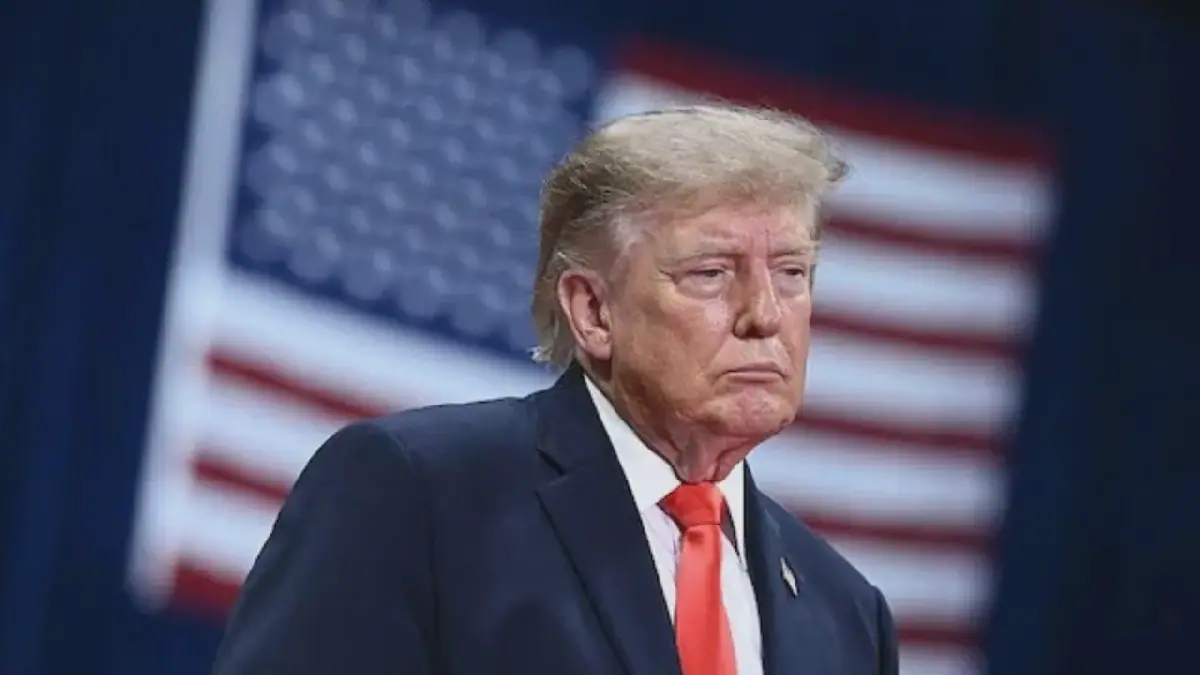
US President Donald Trump has attributed the Republican party's losses in the midterm elections to several factors, including growing anti-Israel sentiment in the United States. In an interview with CBS's "60 Minutes" on Sunday, Trump stated that voters disapproved of the war against Iran and the increase in fuel prices. He also mentioned a "great hostility" towards Israel, which he believes contributed to the Republican party's poor performance.
Trump's comments come amid a growing debate about US military and financial support for Israel. Historically, this support has been bipartisan, but several politicians have expressed reservations during the election campaign. Democratic Senator Abdul El-Sayed from Michigan and Vice President JD Vance have hinted that Republicans should reassess their traditional stance of support for Israel. Trump's remarks may have implications for US-Israel relations, with Israeli Prime Minister Benjamin Netanyahu facing signals of change in US policy.
Trump defended his decision to launch the war against Iran, citing the need to prevent Tehran from acquiring nuclear capabilities. He believes this decision may have long-term benefits, despite immediate negative consequences. Trump also stated that countries protected by the US, including Israel, should reimburse the costs incurred in this war. "Without us, Israel wouldn't exist," he said. This stance may impact US-Israel relations, with Netanyahu's leadership facing scrutiny.
The issue of US aid to Israel has been a point of contention. On election day, Trump announced his intention to end the annual $4 billion aid package to Israel by the end of 2026. Days later, Netanyahu indicated that this aid would evolve into a "partnership," without specifying whether Washington had informed him of this decision. Israeli President Isaac Herzog discussed the challenges facing his country, including Iranian threats and the need for a diplomatic perspective in the region.
The shifting dynamics of US-Israel relations have raised concerns among Israeli commentators. Journalist Amir Tibon warned that the next US Congress might block arms sales to Israel if the country does not respond quickly. Trump's comments and policy announcements have created uncertainty about the future of US-Israel relations. Netanyahu has traditionally been seen as a key player in managing US-Israel relations.
Trump's stance on Israel has sparked debate among US politicians and commentators. Some have argued that his policies may signal a historic shift in US politics. The implications of Trump's comments and policy decisions for US-Israel relations and the broader Middle East region remain to be seen. The issue is likely to continue to be a subject of discussion and debate in the coming months.
The Republican party's losses in the midterm elections have sparked analysis and discussion about the factors that contributed to their poor performance. Trump's comments have added to the conversation, highlighting the complexities of US politics and the challenges facing the country. As the US and Israel navigate their relationship, Trump's stance on key issues will continue to be closely watched.
Key points
- Trump blames growing anti-Israel sentiment, Iran war, and rising fuel prices for Republican midterm losses.
- US-Israel relations face uncertainty amid Trump's policy announcements and shifting dynamics.
- Trump's stance on Israel sparks debate among US politicians and commentators.