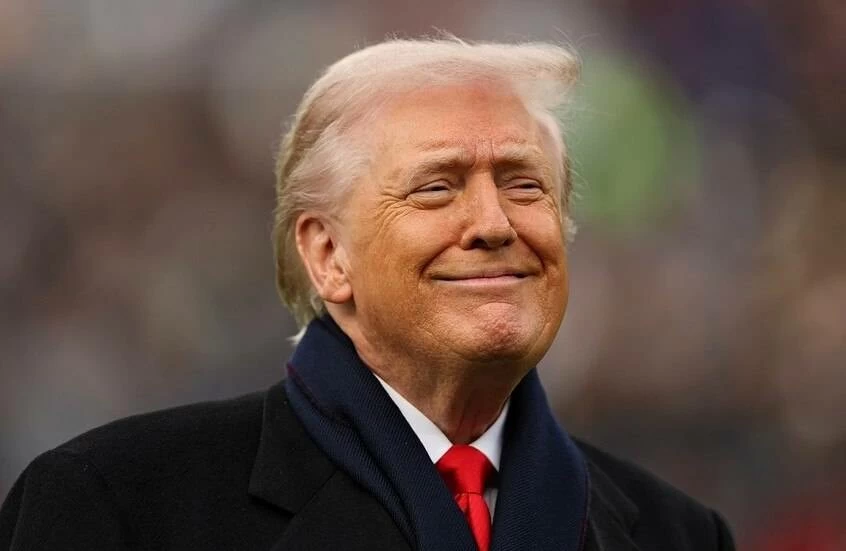
US President Donald Trump has attributed the recent surge in gasoline prices to the policies of the Democrats and Ukrainian attacks on Russian oil refineries. In a post on his social media platform, Truth Social, Trump claimed that the rise in prices was no longer primarily linked to the Strait of Hormuz, a critical waterway for oil shipments. Instead, he pointed to disruptions in the refining sector, citing Ukrainian attacks on Russian refineries and the closure of some US refineries in Democratic-led states.
Trump's comments come as energy markets face increasing pressure due to the ongoing conflict in the Middle East and disruptions to shipping through the Strait of Hormuz. The Ukrainian attacks on Russian energy infrastructure have reduced refining capacities, impacting prices of refined petroleum products, particularly diesel. These developments highlight the sensitivity of energy markets to any disruptions in crude supplies or refining capacities.
According to Trump, the closure of refineries in states like California, which is led by Democrats, has contributed to the rise in gasoline prices. He also mentioned that despite the challenges, the US continues to produce record amounts of oil daily. Trump's focus on the refining sector and geopolitical events contrasts with the commonly cited factors affecting fuel prices, such as the availability of crude oil and global demand.
The current situation in energy markets is influenced by a combination of factors, including the conflict in the Middle East and its impact on oil shipments through critical waterways like the Strait of Hormuz. The global energy landscape is highly sensitive to disruptions in supply and refining capacities, which can have immediate effects on fuel prices.
The impact of Ukrainian attacks on Russian oil refineries has been significant, reducing Russia's refining capacities and contributing to the global shortage of refined petroleum products. This development has added to the upward pressure on fuel prices, as markets adjust to the new supply dynamics.
In the US, the closure of refineries in certain states has further complicated the situation, reducing the country's refining capacity and contributing to the rise in gasoline prices. Trump's comments suggest that he believes these factors, rather than the availability of crude oil, are primarily responsible for the current price increases.
The global energy market continues to navigate these challenges, with fuel prices remaining under upward pressure due to the complex interplay of geopolitical events, supply disruptions, and refining capacity constraints. As the situation evolves, market participants will be closely watching for any further developments that could impact the balance between supply and demand.
Key points
- Trump blames Democrats and Ukrainian attacks on Russian refineries for rising US gasoline prices.
- The ongoing conflict in the Middle East and disruptions to oil shipments through the Strait of Hormuz have added to pressure on energy markets.
- The closure of US refineries in Democratic-led states has contributed to the rise in gasoline prices, according to Trump.