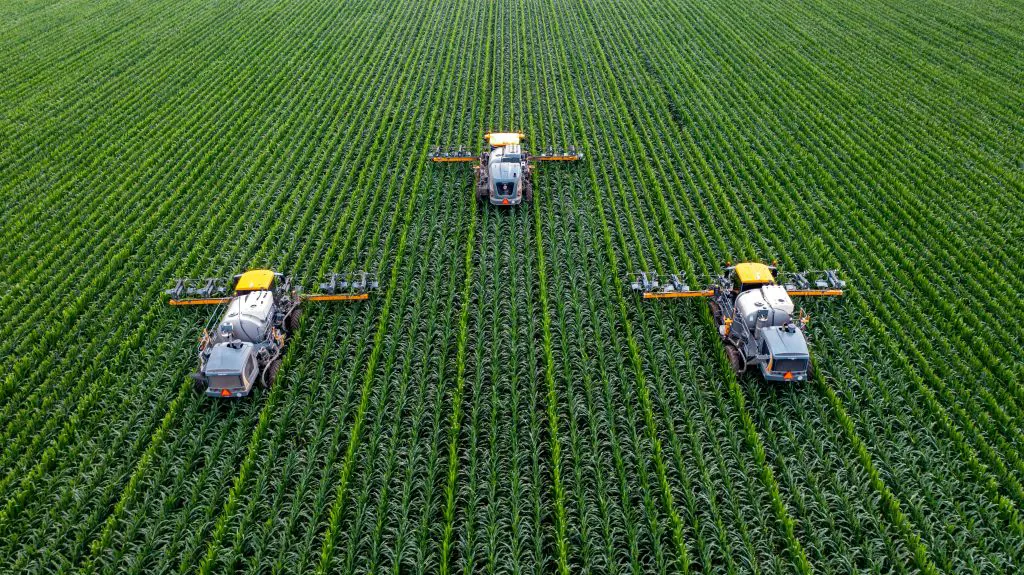
The African Union has unveiled a new Comprehensive Africa Agriculture Development Programme (CAADP) Strategy and Action Plan 2026–2035, shifting focus from agricultural production to a broader agrifood systems transformation. This new approach links farming to processing, trade, finance, nutrition, and resilience. At its core is an ambitious target: tripling intra-African trade in agrifood products and inputs by 2035. The strategy also aims to increase agrifood output by 45 per cent, halve post-harvest losses, and raise locally processed food to 35 per cent of agrifood GDP.
Historically, Africa has relied heavily on food imports, with an estimated annual food import bill of around $50 billion. Significant quantities of locally produced food are lost due to inadequate storage, transportation, processing, and market infrastructure. According to FAO data, sub-Saharan Africa recorded a food-loss rate of 23 per cent in 2023, the highest regional rate in the world. The CAADP strategy seeks to address these challenges by transforming agricultural production into stronger regional and international trade.
The CAADP framework contains 22 targets designed to make progress more measurable. These targets include increasing agrifood output, reducing post-harvest losses, and boosting locally processed food. To achieve these goals, CAADP aims to mobilise $100 billion in public and private investment over the strategy period. African countries are also encouraged to allocate at least 10 per cent of annual public expenditure to agrifood systems. This investment will focus on infrastructure, technology, processing, and commercially viable value chains.
Post-harvest management offers a significant opportunity for growth. Africa can increase the food available to its population not only by producing more but also by reducing losses. FAO research has identified losses of up to 50 per cent for fruits and vegetables in parts of sub-Saharan Africa. Inadequate cold chains, storage, and transport continue to affect farmers' access to markets. Events like Africa Fruit Connect 2026 will bring together stakeholders to discuss commercial opportunities in the fruit value chain.
The African Continental Free Trade Area provides a framework for expanding markets across borders. However, trade agreements alone cannot move perishable produce from one African market to another. The development of roads, railways, ports, warehouses, cold-storage facilities, certification systems, and reliable digital trade infrastructure is crucial. Climate resilience is another critical component, as agriculture remains exposed to droughts, floods, and extreme temperatures.
The CAADP strategy places resilience alongside production and trade. Investment in irrigation, improved seeds, soil health, climate information, insurance, storage, and processing can help reduce the vulnerability of farmers and food businesses. The strategy's ultimate test will be implementation, with clear targets for higher production, lower losses, more processing, greater intra-African trade, and stronger investment. The African Union is developing a results framework and indicators to track progress.
If the CAADP targets translate into sustained investment and implementation, Africa could move closer to an agrifood economy where farms are not merely sources of raw commodities but foundations for manufacturing, trade, employment, and regional prosperity. The goal is to build competitive value chains around what the continent produces, connect farmers to consumers across borders, process more products locally, and retain a greater share of the value generated.
Key points
- The CAADP strategy aims to triple intra-African trade in agrifood products and inputs by 2035.
- The strategy seeks to increase agrifood output by 45 per cent and halve post-harvest losses.
- CAADP aims to mobilise $100 billion in public and private investment over the strategy period.