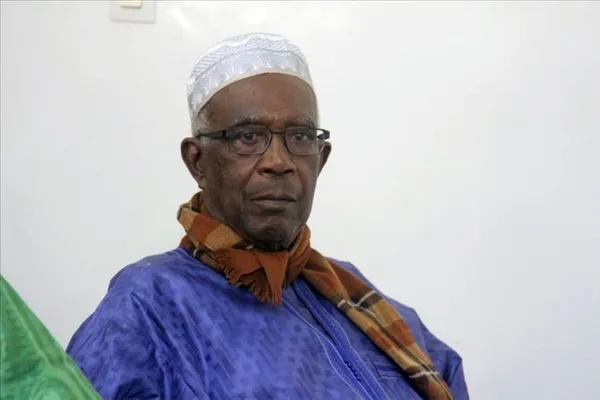
The Senegalese intellectual community is in mourning following the passing of Amady Aly Dieng and Oumar Sankharé, two distinguished figures who left an indelible mark on the country's cultural and academic landscape. Dieng, an economist, historian, and essayist, and Sankharé, a hellenist, grammarian, and professor, shared a passion for learning and a commitment to understanding the complexities of Senegal and Africa. Their legacies serve as a testament to the power of intellectual curiosity and the importance of preserving the country's cultural heritage.
Amady Aly Dieng's work was deeply rooted in the history of the African student movement, and his experiences as president of the Fédération des étudiants d'Afrique noire en France (FEANF) in the early 1960s played a significant role in shaping his intellectual trajectory. Through his writings, Dieng sought to preserve the memories of the intellectual and political debates of his time, ensuring that the ideas and struggles of previous generations were not lost to history. His work continues to inspire new generations of scholars and intellectuals.
Dieng's commitment to understanding the complexities of Senegal and Africa led him to challenge dominant narratives and simplistic representations of the country's history and culture. He believed that the intellectual had a responsibility to engage with the world around them, to question established knowledge, and to seek out new perspectives. This approach has had a lasting impact on Senegalese thought and culture, encouraging future generations to think critically and challenge assumptions.
Oumar Sankharé's work, on the other hand, was characterized by his dedication to the study of classical languages and literature. His decision to pursue a career in hellenism, grammar, and classical literature was seen as a bold statement, demonstrating that Africa could be a subject of knowledge in these fields, rather than simply an object of study. Sankharé's achievements, including becoming the second African to obtain an agrégation in grammar, served as an inspiration to many.
The parallel trajectories of Dieng and Sankharé serve as a reminder of the importance of preserving Senegal's cultural heritage and promoting intellectual curiosity. Despite their different areas of focus, both men shared a passion for learning and a commitment to understanding the complexities of Senegal and Africa. Their legacies continue to shape the country's intellectual landscape, encouraging future generations to engage with the world around them.
The loss of these two intellectual giants has significant implications for Senegal's cultural and academic community. As the country continues to navigate the complexities of the modern world, the ideas and legacies of Dieng and Sankharé serve as a reminder of the importance of critical thinking, intellectual curiosity, and cultural preservation. Their contributions will be deeply missed, but their impact will continue to be felt for generations to come.
As Senegal continues to reflect on the lives and legacies of Amady Aly Dieng and Oumar Sankharé, it is clear that their impact will be felt for years to come. Their commitment to knowledge, education, and cultural preservation serves as a powerful reminder of the importance of intellectual curiosity and critical thinking. As the country looks to the future, it is essential that their legacies continue to inspire and guide future generations of scholars and intellectuals.
Key points
- Amady Aly Dieng and Oumar Sankharé's legacies serve as a testament to the power of intellectual curiosity and the importance of preserving Senegal's cultural heritage.