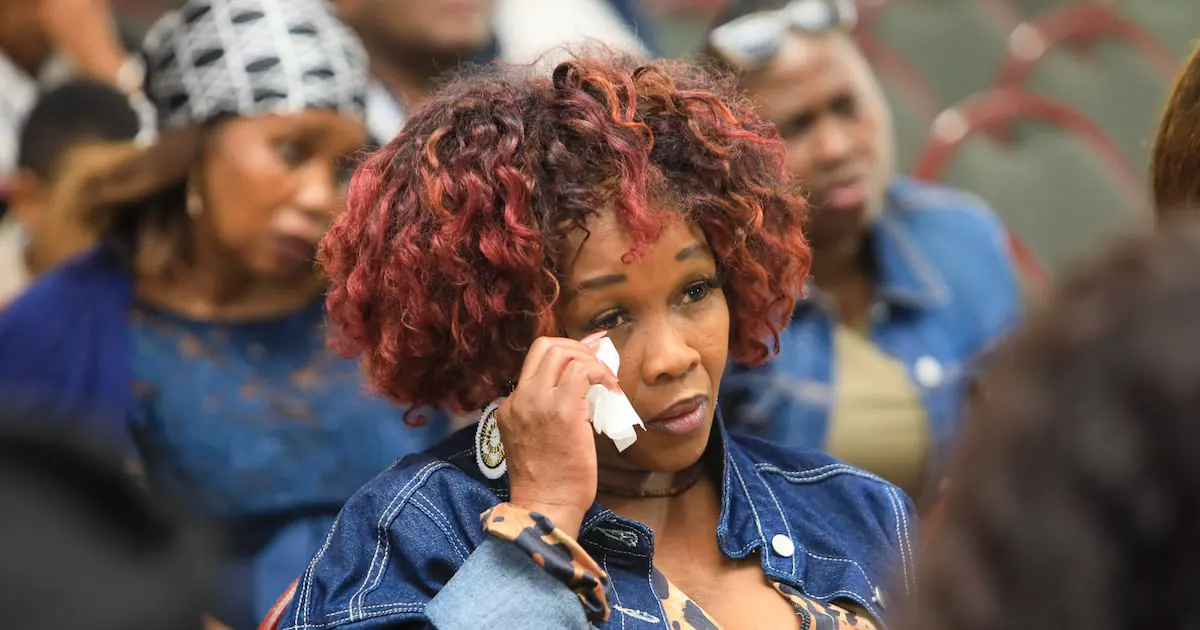
A memorial service was held at the Walter Sisulu Hall in Randburg on Wednesday to pay tribute to broadcaster and music rights activist Owen Ndlovu, who died on September 16 at the age of 54. Ndlovu's body was discovered on the side of a road in Thokoza the morning after he was kidnapped outside a Katlehong church while picking up his wife. The service was attended by family members, close friends, and industry figures, including Ntsiki Mazwai, Vusi Leeuw, Tebogo Sithathu, and Mercy Pakela.
Tributes poured in throughout the service, with speeches remembering Ndlovu as a brave and relentless man with a passion for artists' economic rights. Music and talent consultant Vusi Leeuw, who described Ndlovu as a pioneer among the first generation of community radio broadcasters in South Africa, recalled their 30-year friendship since meeting at JoziFM. Leeuw expressed shock at Ndlovu's death, saying it was the last thing he would have expected.
Leeuw shared that one of Ndlovu's messages to his wife before he died was to unite with performing artist Eugene Mthethwa to assist the industry. Mthethwa burst into tears on stage, sharing similar sentiments, saying Ndlovu fought not for his own rights but for composers, and was selfless in his commitment to the cause. Mthethwa also revealed that Ndlovu's body was found with a bag filled with Southern African Music Rights Organisation (Samro) documents.
The EFF MP and Trompies member said Ndlovu had taken Samro to court and won a case against the CEO who was barring him from entering the building. Mthethwa vowed to continue the battle for artists' rights, saying they must reclaim their rights and not beg for them. He also made efforts to ensure Ndlovu is buried at Heroes' Acre in Pretoria, where renowned public figures have been laid to rest.
Actress and arts activist Joy Mbewana said Ndlovu was a man willing to risk all for the truth, and that the fight for artists' rights does not end with his death. Veteran pop singer Mercy Pakela described Ndlovu as a saviour, recounting how he secured a pro-bono lawyer for her to fight Samro for her unpaid royalties for music dating back to 1990.
Pakela said Ndlovu fought for artists' economic rights and livelihoods, and that he exposed corruption and rot at Samro. She noted that Ndlovu was wealthy, but his focus was on fighting for artists, who often die as paupers while officials enjoy luxurious lifestyles. The memorial service coincided with Ndlovu's son Owethu's birthday, who spoke about the lessons he learned from his father.
Owethu said he now understands why his father was hard on him, and that he will continue to carry on his father's legacy. The service was a poignant tribute to Ndlovu's life and work, with attendees vowing to continue the fight for artists' rights.
Key points
- Owen Ndlovu was a pioneer in South Africa's community radio broadcasting industry.
- Ndlovu was fighting for artists' economic rights and exposed corruption at Samro.
- A memorial service was held in Randburg to pay tribute to Ndlovu's life and work.