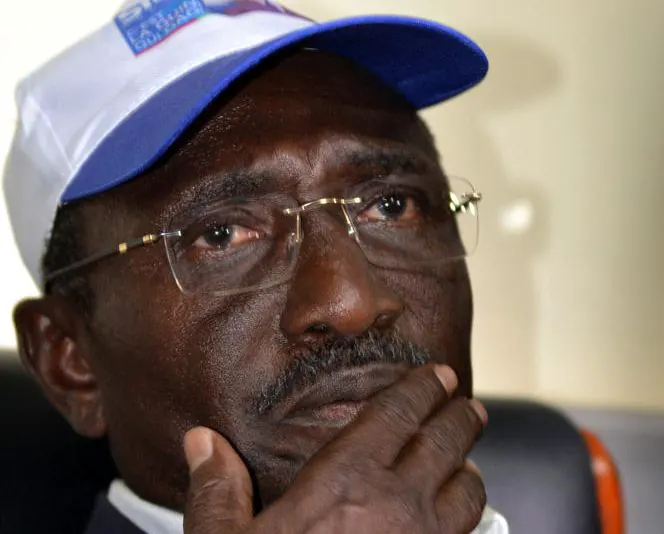
Sidya Touré, the former Prime Minister of Guinea and leader of the Union of Republican Forces (UFR), passed away on September 25, 2026, in Conakry, and then on September 26 in Paris. He was 81 years old. Touré's death has sparked an outpouring of tributes and reflections on his career and legacy. As a close observer of the former Prime Minister and a close associate of the UFR president, many have expressed their condolences and shared memories of his time in politics.
Touré's entry into politics was marked by his appointment as Prime Minister by President Lansana Conté in July 1996. At the time, the country was facing significant challenges, including a severe economic crisis and social unrest. President Conté, who had survived a military mutiny earlier that year, sought to address these issues by forming a new government. Touré, a relatively unknown figure in Guinea at the time, was chosen for his technical expertise and his ability to bring people together.
Born in 1945, Touré had previously worked in the Ivorian administration, where he held various positions, including director of cabinet to the Prime Minister Alhassane Dramane Ouattara. His appointment as Prime Minister was seen as a surprise by many Guineans, but his message of economic reform and national unity resonated with the population. Touré formed a government of technocrats, which included notable figures such as Ousmane Kaba, Kassory Fofana, and Cellou Dalein Diallo.
Touré's government was tasked with implementing economic reforms and addressing the country's social and infrastructure challenges. He emphasized the importance of economic development and sought to build relationships with Guinea's main political parties. However, not everyone was pleased with his appointment. Jean-Marie Doré, leader of the Union for Progress and Renewal, criticized Touré for not including his party in the government.
Despite these challenges, Touré's government made significant progress in implementing economic reforms and improving the country's infrastructure. He also sought to promote national reconciliation and dialogue. However, his tenure was marked by tensions with other branches of government, including the National Assembly. The president of the Assembly, Elhadj Boubacar Biro Diallo, publicly disputed President Conté's claim that he had consulted with him before appointing Touré as Prime Minister.
Touré's relationship with President Conté was complex, and there were reports of tensions between the two men. However, Touré remained committed to his role as Prime Minister and continued to work towards implementing his government's agenda. He also maintained relationships with other key figures in Guinean politics, including Ibrahima Kassory Fofana, who would later become Prime Minister himself.
Sidya Touré's legacy in Guinean politics is complex and multifaceted. While some see him as a technocrat who brought much-needed economic expertise to the government, others view him as a symbol of a missed opportunity for Guinea. Despite his efforts to promote national unity and economic development, Touré was unable to achieve his goal of becoming President. Nevertheless, his contributions to Guinean politics and his commitment to public service are widely acknowledged.
Key points
- Sidya Touré was appointed Prime Minister of Guinea in July 1996 by President Lansana Conté.
- Touré's government implemented economic reforms and addressed social and infrastructure challenges.
- Touré's tenure was marked by tensions with other branches of government, including the National Assembly.