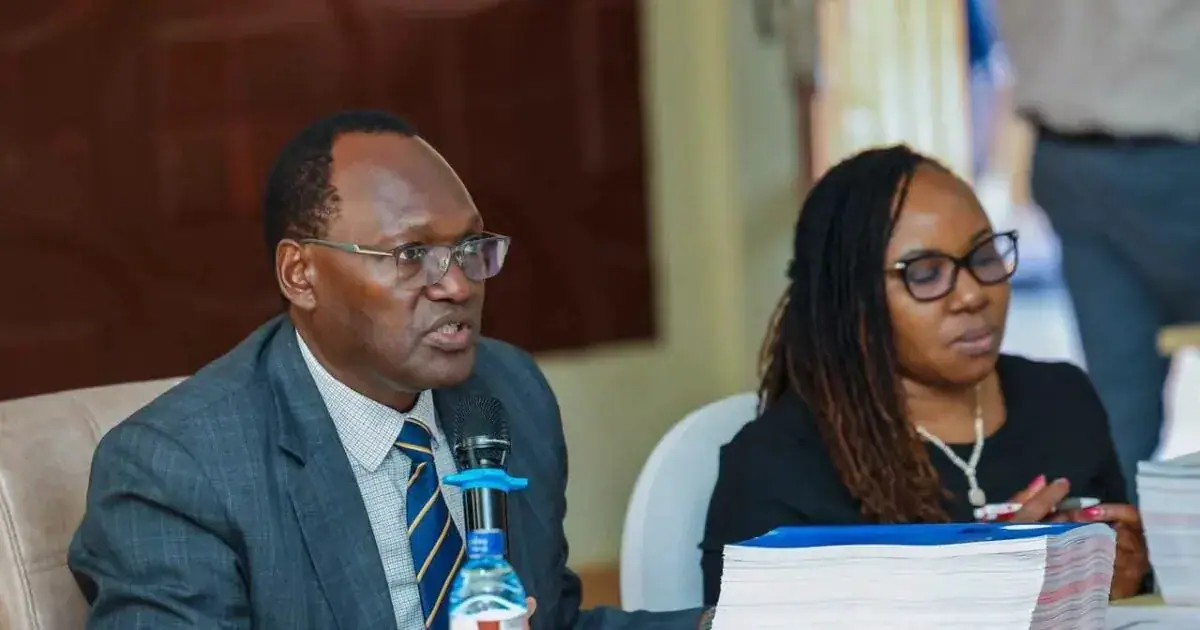
The Kenyan National Treasury has been questioned by Parliament over a substantial domestic debt interest bill of Sh533.7 billion for the 2023/2024 financial year. This query arose during the examination of the Auditor-General's reports by the Public Accounts Committee (PAC), chaired by Butere MP Tindi Mwale. The committee expressed concerns regarding the high cost of public borrowing and its implications on the nation's finances.
According to the Auditor-General's reports, the total public debt interest payments amounted to Sh762.44 billion. The PAC, led by Tindi Mwale, specifically asked Treasury Principal Secretary Chris Kiptoo about the high cost of servicing domestic debt. The committee called for a national discussion on public borrowing to address the rising debt and its servicing costs. This move aims to shed light on the factors contributing to the increased debt burden.
Chris Kiptoo attributed the increased reliance on domestic borrowing to limited access to external financing during the period. He explained that interest rates on local borrowing were high due to market conditions. Furthermore, Kiptoo mentioned that the shilling had been under pressure before the government made a partial repayment of its Eurobond in 2024. These factors, according to Kiptoo, contributed to the high domestic debt interest bill.
Domestic debt currently accounts for 57 percent of Kenya's public debt, while external debt makes up the remaining 43 percent. Kiptoo informed the committee that domestic interest rates have since declined, which should reduce borrowing costs in the future. This development could potentially ease the pressure on the government's finances and lower the cost of servicing domestic debt.
The Treasury PS also revealed that half of every shilling collected by the Kenya Revenue Authority goes towards paying interest on public debt. This significant allocation highlights the substantial burden of debt servicing on the country's revenue. The high debt servicing costs may impact the government's ability to allocate funds to other critical sectors, such as healthcare, education, and infrastructure.
The committee also questioned the Treasury over pending bills, which stood at Sh175 billion. Kiptoo stated that the outstanding historical bills had previously reached Sh255 billion, but the government had paid Sh80 billion. He added that the Cabinet had approved the payment of the remaining bills, with the process expected to start within two weeks. This move aims to settle outstanding debts and reduce the financial strain on suppliers and contractors.
On delays in releasing funds from the Exchequer, Kiptoo assured the committee that the Treasury was up to date with disbursements. He stated that county governments, state departments, and state agencies were not owed any money by the Exchequer. This clarification provides relief to these entities, which rely on timely funding to execute their mandates and deliver essential services to the public.
Key points
- The Kenyan government paid Sh533.7 billion in interest on domestic debt in the 2023/2024 financial year.
- Domestic debt accounts for 57 percent of Kenya's public debt.
- Half of every shilling collected by the Kenya Revenue Authority goes towards paying interest on public debt.