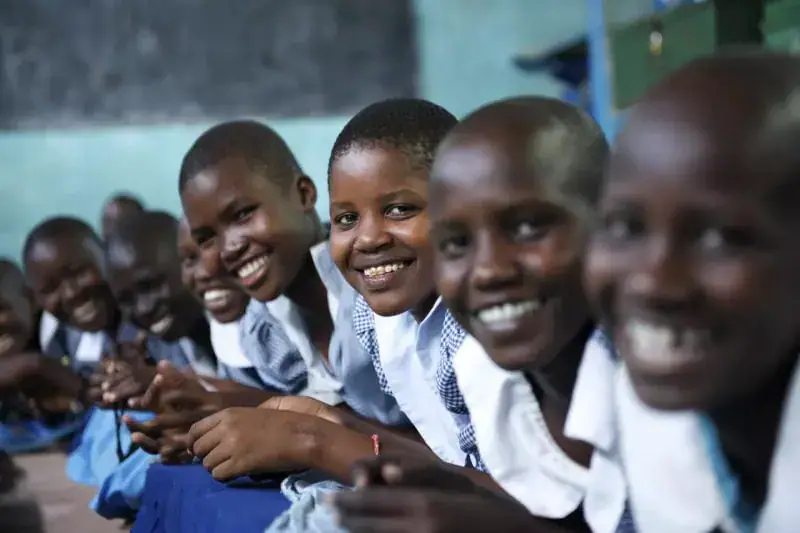
The National Treasury and the State Department for Children Services in Kenya are collaborating with UNICEF to introduce measures that protect government funding for children's services. This initiative comes as the country faces rising public debt and declining development assistance. A new report, "The Invisible Toll: Rising Debt, Shrinking Aid and Kenya’s Children," outlines practical policy options to ensure fiscal pressures do not compromise essential services for children. The report was prepared with technical support from UNICEF Kenya.
The report aims to inform the formulation of the 2027 Budget Policy Statement and the 2027/28 national budget. It proposes interventions such as predictable releases of government funds, reliable social assistance programs, and protected financing for services critical to children's welfare. These measures are designed to prioritize children's needs in public expenditure decisions despite competing demands on government resources. The report emphasizes the impact of Kenya's tightening fiscal space on children, who make up more than two in every five people in the country.
According to the report, approximately half of Kenya's children face overlapping monetary and multidimensional poverty. The research is based on national data and interviews conducted in eight counties: Busia, Embu, Garissa, Homa Bay, Kilifi, Mandera, Nairobi, and Turkana. The findings highlight concerns over the effects of fiscal pressures on children's services. The proposed policy interventions aim to ensure that children's needs remain a priority in public expenditure decisions.
The launch event for the report is scheduled to take place in Nairobi on November 25, 2026. The Public Debt Management Office played a role in preparing the study. UNICEF Kenya provided technical support for the report. The collaboration between the Treasury, the State Department for Children Services, and UNICEF underscores the importance of protecting children's services amid economic challenges.
Kenya's public debt has been rising, posing challenges to government spending on essential services. The country's fiscal space has been tightening, affecting its ability to allocate funds to critical sectors such as healthcare, education, and social protection. The report's recommendations seek to mitigate the impact of these challenges on children's welfare. By prioritizing children's services, the government aims to address the needs of its young population.
The report's findings and recommendations are expected to contribute to the ongoing budget formulation process. The 2027 Budget Policy Statement and the 2027/28 national budget will be crucial in determining the allocation of resources to various sectors. The collaboration between the Treasury and UNICEF reflects a commitment to ensuring that children's services are protected and prioritized in public expenditure decisions.
The partnership between the National Treasury, the State Department for Children Services, and UNICEF Kenya highlights the importance of multi-stakeholder collaboration in addressing the challenges facing children's services. By working together, these entities aim to ensure that children's needs are prioritized in public expenditure decisions, even in the face of economic challenges. The report's recommendations are expected to have a positive impact on the lives of children in Kenya.
Key points
- The report proposes measures to protect government funding for children's services amid rising public debt and declining development assistance.