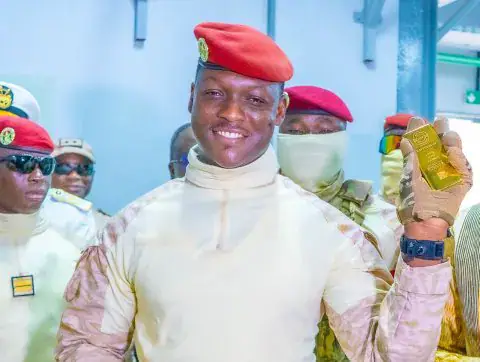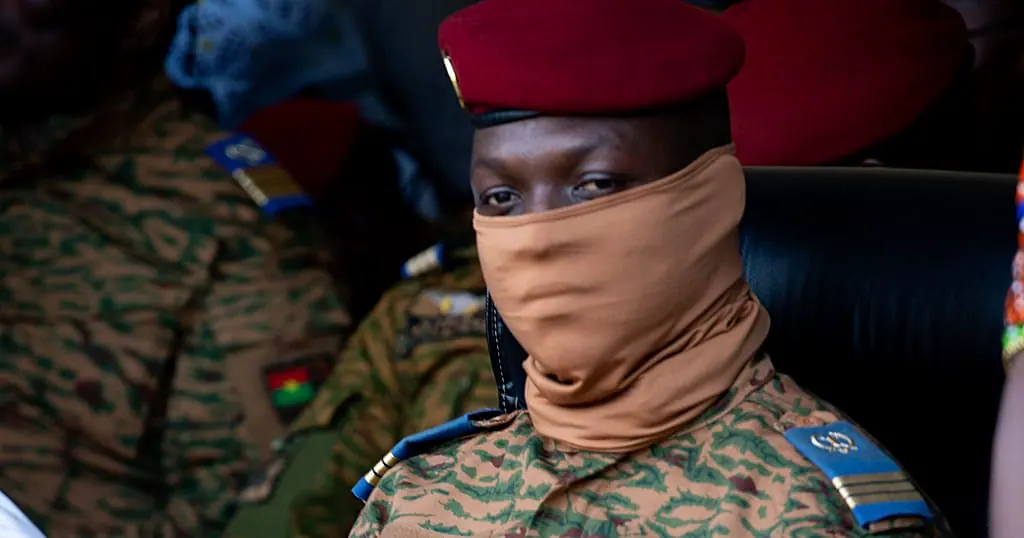
Captain Ibrahim Traoré has been leading Burkina Faso for four years, matching the tenure of Thomas Sankara, who seized power in 1983 and launched a "democratic and popular revolution." Traoré, a young army captain, promised national sovereignty, Pan-Africanism, and greater economic independence, similar to Sankara. Both leaders wore red berets and had high hopes for their country. Sankara's revolution focused on education, women's empowerment, self-reliance, and local production. He was assassinated in 1987.
Traoré's government has taken steps to assert control over the country's resources, nationalizing gold mines and promoting local industries. The Faso Mebo program, a major infrastructure project, aims to build roads and develop cities using local resources. These initiatives reflect Traoré's commitment to Sankara's ideals, but under different circumstances. Burkina Faso currently faces significant security challenges from jihadist groups, with large areas affected by violence and some towns under blockade.
The security situation in Burkina Faso remains a pressing concern for Traoré's administration. The country has struggled with jihadist violence, which has impacted large parts of the nation. In response, Traoré has taken a harder line politically, forcibly recruiting journalists, magistrates, and civil society figures to fight on the front lines. This approach has restricted political opposition and raised concerns about human rights.
On the international stage, Traoré has shifted Burkina Faso's diplomatic focus away from former colonial power France and toward Russia. He has strengthened ties with Russia and joined Mali and Niger in a new regional confederation. This move marks a significant change in Burkina Faso's foreign policy and reflects Traoré's efforts to assert his country's independence.
Traoré's presidency has been marked by efforts to promote local production and self-reliance, echoing Sankara's priorities. The Faso Mebo program is a key component of this strategy, aiming to develop Burkina Faso's infrastructure using local resources. By investing in roads and cities, Traoré hopes to stimulate economic growth and improve living standards for Burkinabes.
Despite the challenges facing his country, Traoré remains committed to his vision for Burkina Faso. He sees himself as carrying forward Sankara's legacy, but with adaptations to the current context. As Traoré looks to the future, he must balance his goals for economic independence and national sovereignty with the need to address the country's pressing security concerns.
As Burkina Faso looks ahead, the impact of Traoré's policies will be closely watched. His efforts to promote local industries, assert control over natural resources, and develop infrastructure will be crucial in determining the country's future. With the security situation remaining fragile, Traoré's leadership will be tested in the years to come.
Key points
- Traoré's government has nationalized gold mines and launched the Faso Mebo infrastructure program to promote local industries and self-reliance.
- Burkina Faso faces significant security challenges from jihadist groups, with large areas affected by violence and some towns under blockade.
- Traoré has shifted Burkina Faso's diplomatic focus away from France and toward Russia, joining Mali and Niger in a new regional confederation.