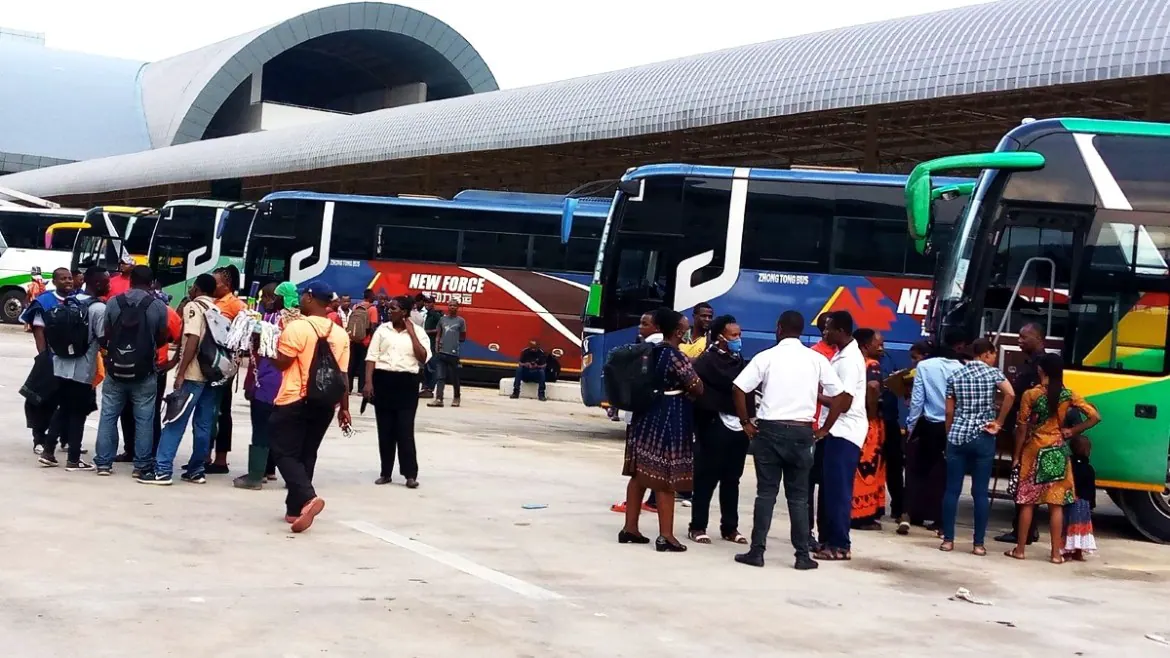
A mass demonstration by public transport workers in Tanzania brought the country's transportation system to a standstill on Tuesday, September 29, 2026. Passengers planning to travel upcountry or inter-city found themselves stranded at bus stations and pick-up points along highways. The strike, which affected various regions including Arusha, Dar-es-salaam, and Kilimanjaro, was led by drivers of passenger buses, transit cargo trucks, and other public transport vehicles.
The drivers, through their associations, cited mistreatment by the police as a major reason for the strike. They expressed frustration over the recent trend of having points deducted from their road licences, allegedly without sufficient justification. This move has caused significant concern among drivers, who feel that it is unfair and affects their livelihoods.
Another reason behind the strike is the directive forcing bus drivers to drop off passengers at designated stations, which are often far from their destinations. This has resulted in additional expenses for passengers, who are forced to seek connecting means of transport. The drivers also complained about the harassment they face from traffic police, who frequently stop them on highways without plausible reasons, creating opportunities for bribery.
The strike had a significant impact on the movement of people and goods across the country. Hundreds of transit cargo trucks were parked on roadsides along the southern and northern corridors, while buses remained stationary in their company yards or at stations. Thousands of travellers were left stranded, with many expressing frustration over the lack of notice and the inconvenience caused.
The strike also affected international travel, with many long-distance passenger vehicles connecting to other countries, including Kenya, Malawi, Zambia, and Uganda, unable to operate. Passengers who had already purchased tickets online demanded refunds, but efforts to contact bus operators and local authorities for comment proved futile.
The regions most affected by the transport blues include Arusha, Dar-es-salaam, Kilimanjaro, Manyara, Morogoro, Mwanza, Mbeya, and Tunduma. The strike highlighted the challenges faced by public transport workers in Tanzania and the need for a resolution to the issues affecting their livelihoods.
As the situation continues to unfold, passengers are left to wonder when they will be able to travel again. The strike has caused significant disruptions to the country's transportation system, and it remains to be seen how long it will take to resolve the issues and restore normal operations.
Key points
- The strike was led by drivers of passenger buses, transit cargo trucks, and other public transport vehicles in protest against highway mistreatment by the police.
- The strike affected various regions in Tanzania, including Arusha, Dar-es-salaam, and Kilimanjaro, and had a significant impact on the movement of people and goods.
- The drivers cited the recent trend of having points deducted from their road licences and the directive forcing bus drivers to drop off passengers at designated stations as major reasons for the strike.