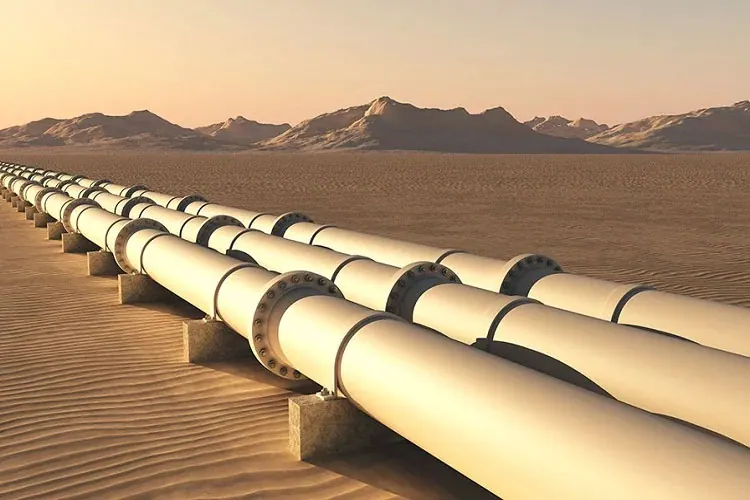
The Trans-Saharan Gas Pipeline (TSGP) project, connecting Nigeria to Algeria via Niger, has gained significant momentum since its relaunch in 2022. The project is set to enter a new phase in 2026 with the commencement of work on the Algerian section. The pipeline, spanning approximately 4,130 kilometers, will transport gas from Nigerian production areas through Niger to Hassi R'Mel, a major gas hub in Algeria.
The TSGP aims to link the pipeline to the national transportation network and existing export infrastructure, primarily targeting European markets. The expected capacity of the pipeline ranges between 20 and 30 billion cubic meters of gas per year, enabling the transportation of additional Nigerian gas to regional and international markets. The project is being developed in partnership between Algeria's Sonatrach, Nigeria's NNPC, and Niger's SONIDEP.
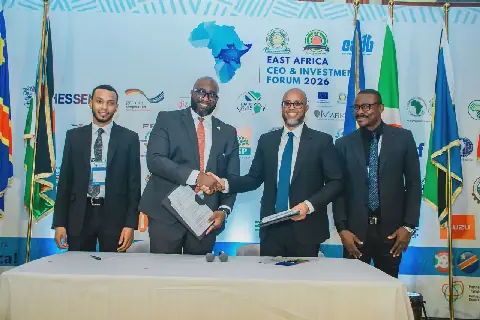
After years of studies and consultations, the three countries relaunched the project in February 2022 and signed a memorandum of understanding in July 2022, reaffirming their commitment to its implementation. A significant milestone was reached in February 2025 with the signing of a contract to update the feasibility study. The final report was adopted on June 3, 2026, paving the way for the project's execution phase.
On June 4, 2026, work officially commenced on the Algerian section of the pipeline in Oulf, Adrar province. This marks a transition from the study and planning phase to actual implementation. The pipeline will follow the Trans-Saharan Road corridor within Algerian territory, connecting the Niger border to Hassi R'Mel and enabling integration with the national transportation network and existing export infrastructure.
The TSGP extends beyond natural gas transportation, representing a project for energy and economic integration in Africa. It provides a new outlet for Nigerian gas resources, enhances Niger's role as a transit country, and solidifies Algeria's position as an energy hub linking continental resources to international markets, particularly in Europe.
For Algeria, the project holds particular significance due to its connection to the Hassi R'Mel area and existing gas transportation and export networks. This development is expected to boost energy connectivity and provide an additional route for African gas exports to international markets. The project is also anticipated to support economic and industrial growth along its route by creating investment opportunities and promoting cooperation among the three countries.
With the commencement of work on the Algerian section, the TSGP has entered a new phase of tangible implementation. The project's progress reflects the growing importance of African energy connectivity projects, enhancing supply security and diversifying gas export routes to international markets.
Key points
- The TSGP has an expected annual capacity of 20-30 billion cubic meters of gas.
- The project aims to link Nigerian gas resources to European markets via Algeria.
- The pipeline project is a significant step towards energy and economic integration in Africa.