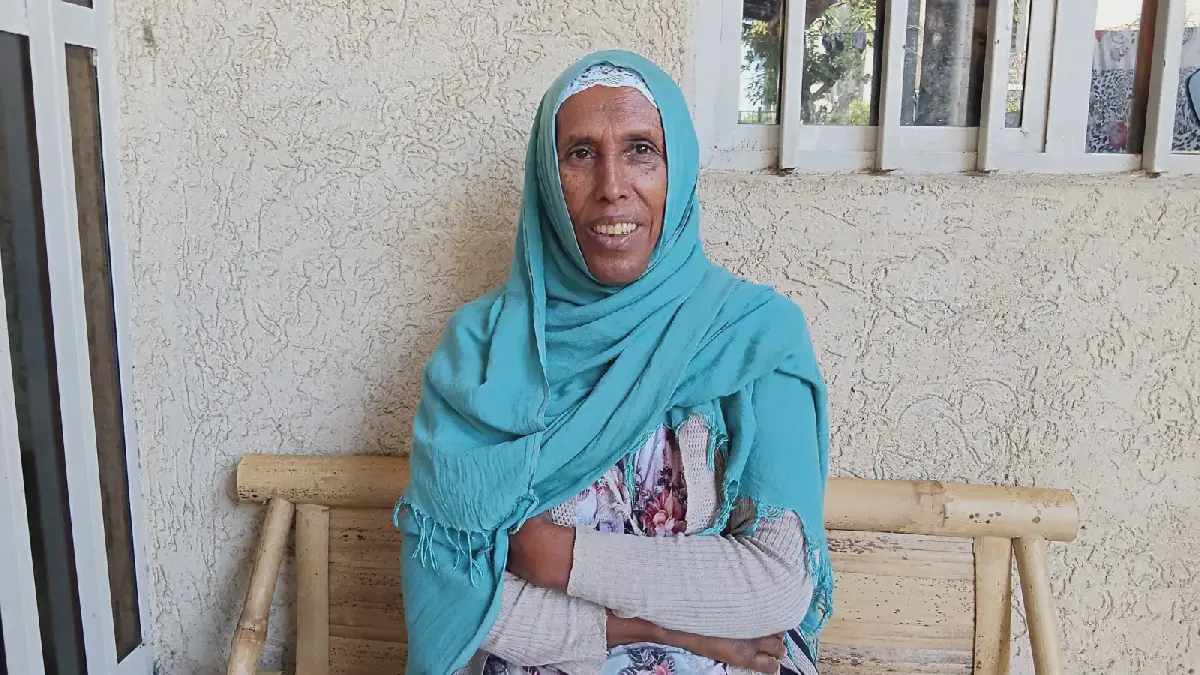
In a residential neighborhood of Bahir Dar, Ethiopia, patients visit the home of W/ro Birqe Yibre, a traditional bone-setter known locally as a Wogesha. Birqe has practiced for over 20 years, offering treatment for various injuries. Her patients, such as Yidersal Mengistu, prefer her traditional approach over modern healthcare. Mengistu sought Birqe's help for a painful right foot and bruised big toe, which he injured while playing football.
Birqe's treatment approach varies depending on the patient's financial situation. She charges between 150 and 200 Ethiopian birr for those who can afford it, while treating those who cannot pay without charge. A study published in BMC Complementary Medicine and Therapies found that 46.05% of people with a history of injury in Mecha district had used traditional bone-setting services, citing social acceptance as the primary reason.
Birqe distinguishes between injuries she can treat and those requiring hospital care. She handles muscle pulls and minor dislocations but refers serious cases, such as displaced bones or deep fractures, to hospitals. Birqe expressed concern about practitioners who accept serious cases despite lacking necessary skills, potentially causing further harm to patients.
Thomas Habtamu, a student, had a different experience with a local Wogesha. After injuring his left forearm during a football match, he sought traditional treatment due to financial difficulties. However, the treatment did not restore his arm to its normal position, leaving it visibly bent and causing difficulties with certain activities.
Dr. Biruk Ferede, an orthopaedic specialist at Tibebe Ghion Specialized Hospital in Bahir Dar, warned that traditional treatments can lead to complications, such as malunion, where a fractured bone heals in an incorrect position. He emphasized the importance of proper medical assessment and treatment, particularly for displaced fractures or injured joints.
Dr. Biruk also raised concerns about tightly applied traditional splints, especially on children, which can compromise blood circulation and lead to further problems. He stressed that correcting injuries that have not been properly treated can require more complex surgery and may be more challenging due to delayed care.
The accounts of Birqe, Mengistu, Habtamu, and Dr. Biruk highlight the complexities of traditional bone-setting practices in Ethiopia. While some practitioners like Birqe refer serious cases to hospitals, others may take on cases beyond their abilities, potentially causing harm to patients. Further evidence is needed to establish the prevalence of such practices and their impact on patient outcomes.
Key points
- A study found that 46.05% of people with a history of injury in Mecha district had used traditional bone-setting services.
- Traditional bone-setters may refer serious cases to hospitals, but some practitioners may take on cases beyond their abilities.
- Improper treatment of fractures can lead to complications, such as malunion, and may require more complex surgery.