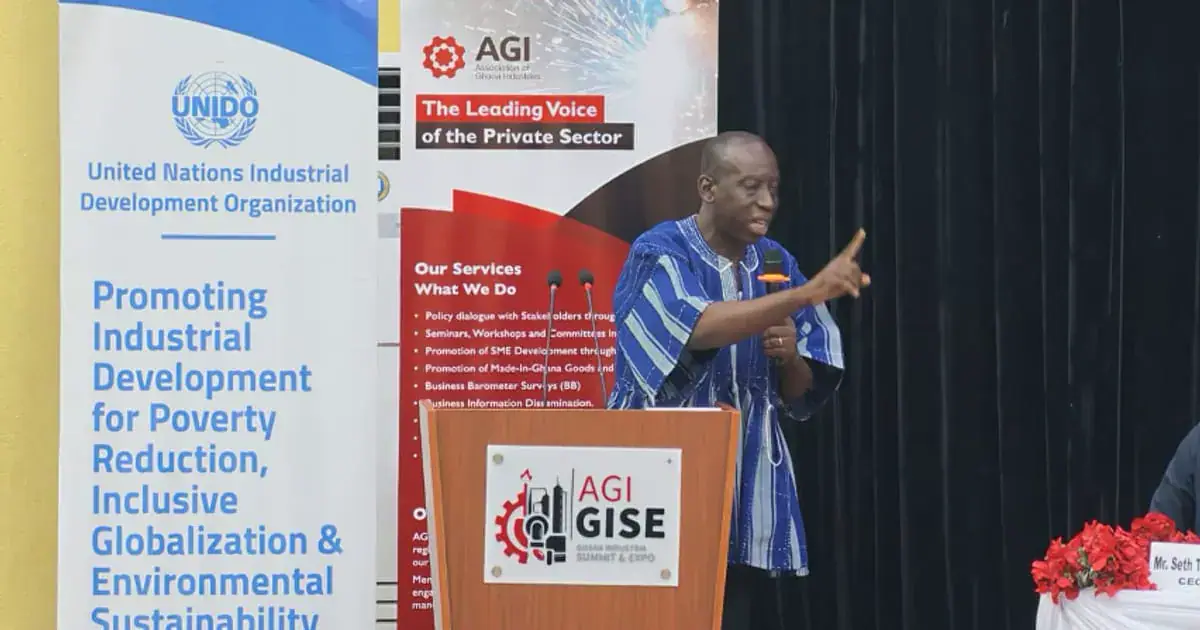
The Association of Ghana Industries (AGI) has expressed concerns that traditional commercial bank lending is inadequate to finance Ghana's industrial transformation. According to AGI, long-term financing instruments are needed to support manufacturers, expand productive capacity, and create jobs. This call is aimed at addressing the country's industrial growth needs. The issue was raised by Kingsley Webora TANKEH and published in the Business and Financial Times.
Ghana's industrial sector requires substantial financing to drive growth and development. The AGI's warning suggests that current lending practices by traditional banks are not meeting the needs of the industrial sector. There is a need for alternative financing options that can provide long-term support to manufacturers. This would enable them to expand their operations, increase productivity, and create more employment opportunities.
The Bank of Ghana's recent decision to realign its Monetary Policy Rate (MPR) by 300 basis points to 11 percent is expected to have implications for the country's financial sector. The move is anticipated to deepen interest in the equities market as declining Treasury bill yields prompt domestic investors to seek alternative returns in listed shares. However, it remains to be seen how this policy change will impact the industrial sector's access to financing.
The Managing Director of Agricultural Development Bank PLC (ADB), Edward Ato Sarpong, has emphasized the critical role of Ghana's banking sector in driving the country's new economy. He noted that banks are strategic partners poised to mobilize capital, finance productive sectors, support enterprise development, and accelerate sustainable economic growth. The banking sector's role in supporting industrial growth is crucial, especially in light of the AGI's concerns.
President John Dramani Mahama has reaffirmed his administration's commitment to maintaining macroeconomic stability. He stated that the government has a fundamental responsibility to create an enabling environment for the private sector to thrive. This includes ensuring that businesses have access to adequate financing options. The President's pledge is seen as a positive step towards addressing the AGI's concerns about industrial growth.
The African Continental Free Trade Area (AfCFTA) Secretariat is working to make Africa's borders gateways for trade rather than obstacles. A major customs cooperation conference is scheduled for Abuja from 9 to 11 December 2026. This initiative aims to facilitate faster border trade and could have implications for Ghana's industrial sector. The AfCFTA's efforts to promote trade and cooperation could provide opportunities for Ghanaian businesses.
The economy has secured commitments worth approximately US$43million from the sale of four million forest carbon credits. A further 2.5 million credits valued at about US$25million are available for sale. This development highlights the government's efforts to explore alternative revenue streams and promote sustainable economic growth. The use of carbon credits could provide a new financing option for industrial projects.
Key points
- The Association of Ghana Industries is calling for long-term financing instruments to support manufacturers and drive industrial growth.
- The Bank of Ghana's policy rate realignment is expected to deepen interest in the equities market.
- The government's commitment to macroeconomic stability is seen as crucial for creating an enabling environment for businesses to thrive.
Reporting sources
- Business | November 24, 2026 Traditional bank lending inadequate for industrial growth – AGI · Business and Financial Times