On March 18, 2023, architect and photographer Arwa Ahmed and the author were documenting historic buildings in Khartoum associated with the Syrian community. They witnessed an unusual convoy of ten trucks carrying dozens of men in civilian dress, who turned out to be fighters from the Rapid Support Forces (RSF). This event foreshadowed the conflict that erupted on April 15, 2023, between the RSF and the Sudanese Armed Forces (SAF), resulting in a severe humanitarian crisis.
The Syrian community in Sudan has a long history dating back to the late 19th century. The first group of Syrians arrived in Sudan in the 1870s as merchants, primarily from Aleppo, and were involved in interregional trade. They traded goods such as elephant tusks, ostrich feathers, and leather. A second wave of Syrian migration occurred in the early 20th century, driven by persecution, economic opportunities, and government recruitment of professionals.
Many Syrian migrants to Sudan were educated at the Syrian Protestant College, now the American University of Beirut. One such graduate was Nicola Malouf, who established a pharmacy, clinic, and large-scale agricultural enterprise in Khartoum in the 1920s. By the 1950s, Syrian businessmen like Malouf played a central role in Sudan's economy, owning factories and engaging in export trade, raw material extraction, and agricultural enterprises.
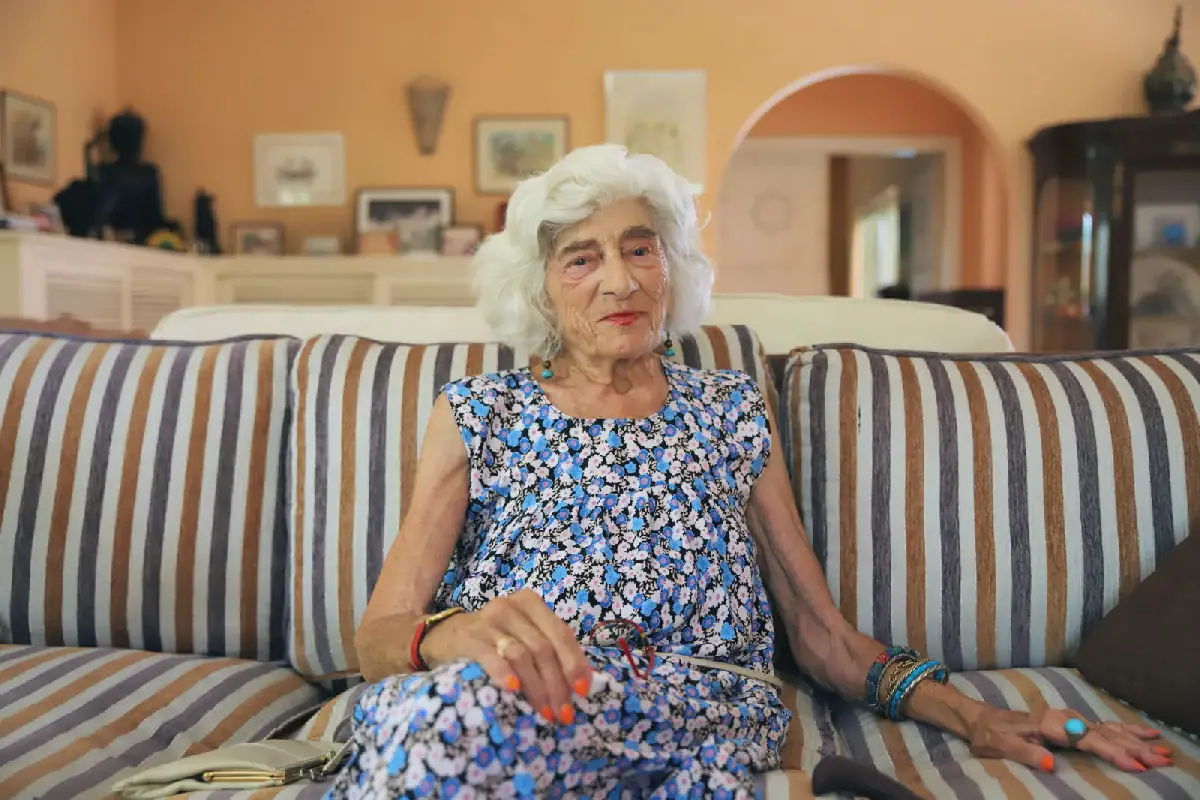
The 1950s and 1960s are remembered as the 'golden years' for the Syrian community in Khartoum. The community numbered several hundred families, and they enjoyed a vibrant social life. Many women from this era described 'living like queens,' thanks in part to the assistance of Sudanese domestic workers. The Syrian club, churches, and schools were essential institutions that fostered a strong sense of identity and community.
The Syrian club, or Nadi, was a central hub for community life, hosting various events and providing support to its members. Mary Hanoun, a member of the community, recalled the Nadi's role in providing assistance throughout life's challenges and celebrations. The community's social and cultural life was marked by extravagant parties, including Christmas and New Year's Eve celebrations.
However, the community's fortunes began to change in 1970 with Jaafar Nimeiri's nationalizations and confiscations of foreign-owned businesses. Many large-scale businesses were seized, and the first families began to leave the country. The introduction of Shar'ia law under President Nimeiri in 1983 further eroded the community's position in Sudanese society.
Today, the Syrian community in Khartoum has dispersed, and many of its members have been forced to flee the country due to the ongoing conflict. The community's history and experiences serve as a poignant reminder of the complex social, economic, and cultural dynamics at play in Sudan.
Key points
- The Syrian community in Sudan has a rich history dating back to the late 19th century.
- The community's social and cultural life was centered around institutions like the Syrian club, churches, and schools.
- The community's fortunes began to decline in 1970 with nationalizations and confiscations of foreign-owned businesses.