The TPLF, which ruled Ethiopia for nearly 30 years, has seen its popularity decline significantly in the Tigray region. Many residents, including Tsegay Girmay, who joined the TPLF in 2020, are now critical of the party. Girmay, 32, expressed his disappointment, citing the party's past atrocities and its alliance with Eritrea, which he believes has caused harm to the region. The TPLF's decline in popularity is evident in the region, with many residents expressing their discontent with the party's leadership.
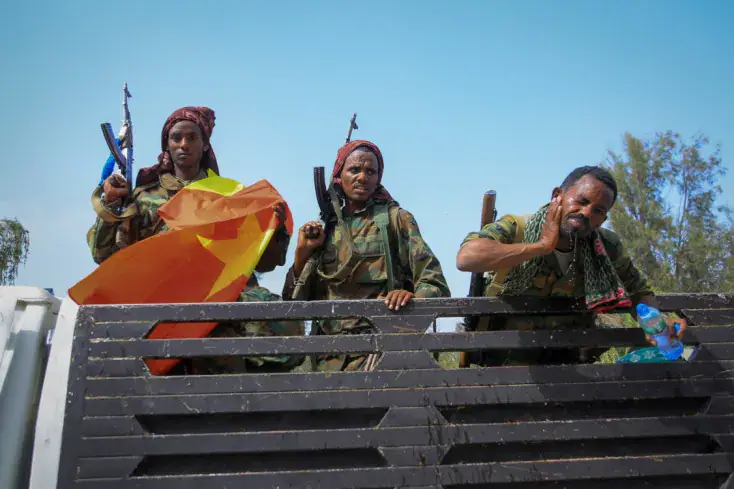
The TPLF's recent military offensive, launched in September, aimed to overthrow the federal government but was quickly repelled by government forces. The party's troops retreated to the hills of the Tigray region, where they occasionally launch attacks on government soldiers. Eritrea, which had supported the federal government during the Tigray war, has deployed thousands of soldiers to the region to aid the TPLF. However, government drone strikes have forced them to retreat. This development has further eroded the TPLF's popularity in the region.
Many Tigray residents, including Genet Hailu, blame the TPLF for the atrocities committed by Eritrean troops during the war, which resulted in an estimated 600,000 deaths. Hailu, a resident of Mekele, the regional capital, expressed her outrage over the TPLF's alliance with Eritrea and the forced recruitment of children into the army. She lamented that the party has lost touch with the people and has committed abuses against its own supporters. Her sentiments reflect the growing discontent among Tigray residents.
The TPLF's decline in popularity is also attributed to its authoritarian leadership and corruption. Natnael Gebregziabher, a 35-year-old resident of Mekele, believes that the party has become a "burden" and that its past achievements, including restoring the pride and dignity of Tigrayans, are now overshadowed by its corrupt practices. Kjetil Tronvoll, a specialist on the Horn of Africa, notes that the TPLF's fate depends on its ability to reform and the actions of the federal government.
The federal government has established an interim administration in Tigray, which is tasked with organizing elections and rebuilding the region. However, many observers believe that this task will be challenging, given the ongoing displacement of hundreds of thousands of people and the region's infrastructure damage. The TPLF's ability to adapt to these changes and address the concerns of Tigray residents will be crucial in determining its future.
Despite the criticism, some residents, like Gebremichael Abebe, still support the TPLF. Abebe, 52, believes that the party is necessary to counterbalance the federal government's efforts to undermine the region. He notes that the TPLF has historically been a champion of Tigrayan interests and that its alliance with Eritrea is a strategic move to counter the government's threats.
The TPLF's future is uncertain, and its popularity in the Tigray region continues to wane. The party's leadership and its ability to address the concerns of Tigray residents will be crucial in determining its fate. As the region continues to rebuild and recover from the devastating war, the TPLF's role in shaping its future remains a topic of debate.
Key points
- The TPLF's popularity has declined significantly in the Tigray region due to its authoritarian leadership, corruption, and alliance with Eritrea.