The Tigray People's Liberation Front (TPLF), once Ethiopia's ruling party, is facing a backlash from former supporters in the northern territory of Tigray. Its latest offensive against federal forces has faltered, leading to a decline in popular support. Many Tigrayans, including Tsegay Girmay, who joined the pro-autonomy party in 2020, are now pleased that the movement is "on the verge of disappearing". Girmay, a 32-year-old resident of Adigrat, expressed his disillusionment with the party.
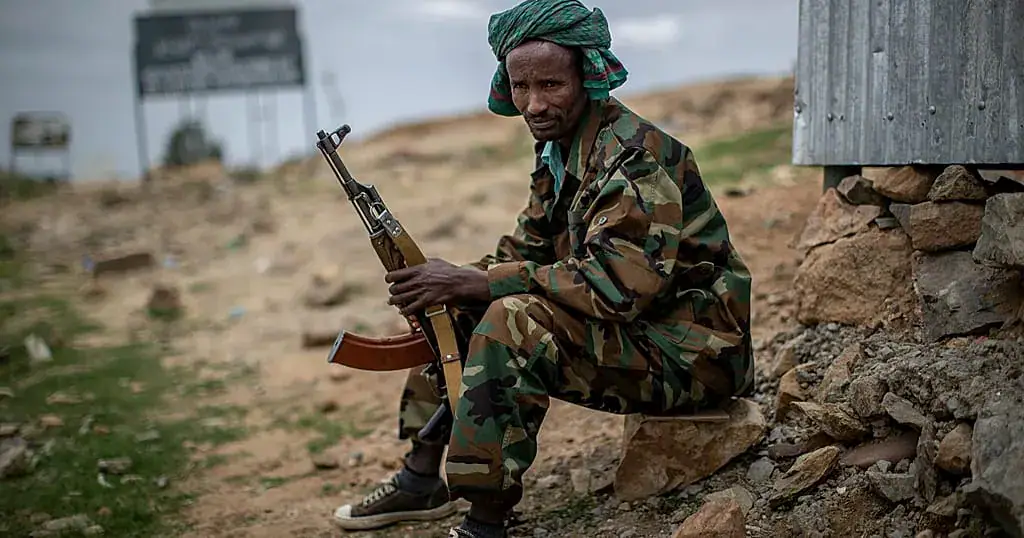
In late September, the TPLF joined other armed groups in an offensive to "overthrow" Ethiopia's federal leaders but was quickly repelled by pro-government forces using drones. The party has retreated to the region's hills, where it occasionally attacks federal troops. In October, federal authorities formally took control of Tigray from the rebels, establishing a six-month interim administration and promising to organise elections. This development has further eroded the TPLF's support base.
Eritrea's role in the conflict has also contributed to the TPLF's declining popularity. The TPLF's recent alliance with Eritrean forces, which had previously committed atrocities against Tigrayans during the 2020-2022 war, has raised painful memories among many in Tigray. Genet Hailu, a resident of Mekelle, described the alliance as a "mistake" and condemned the TPLF for cooperating with Eritrean forces. She also criticised the party's forced recruitment of children to join the army.
The TPLF's vice president, Amanuel Assefa, dismissed criticism of the party's actions, stating that it is "sacrificing itself" for the people of Tigray. However, many former supporters, including Natnael Gebregziabher, have expressed disillusionment with the party's leadership, citing "mistakes" that have put people in danger. The TPLF was once widely respected in Tigray, having led the rebellion that toppled Ethiopia's military-Marxist Derg regime in 1991.
Despite the TPLF's declining popularity, some residents, including Gebremichael Abebe, remain supportive of the party, fearing that the current federal government wants to "destroy" them. Abebe believes that the TPLF will emerge victorious and return to power. Kjetil Tronvoll, a Horn of Africa specialist, noted that the TPLF's future depends on several factors, including its capacity for self-reflection and the federal government's actions in Tigray.
The conflict in Tigray has resulted in significant human suffering, with drone strikes killing at least 25 people and many fleeing into neighbouring Kenya. The situation remains volatile, with gunfire heard across the Ethiopia-Kenya border. The international community, including the US State Secretary, has called for de-escalation by Ethiopia and Eritrea.
The TPLF's decline in popularity has significant implications for the region. The party's ability to regain support will depend on its capacity to reflect on its mistakes and adapt to changing circumstances. The federal government's actions in Tigray will also play a crucial role in shaping the TPLF's future. For now, it remains uncertain whether the TPLF will be able to regain its former influence in the region.
Key points
- TPLF's popular support declines in Tigray after fresh fighting erupts
- Eritrea's role in the conflict contributes to TPLF's declining popularity
- TPLF's future depends on self-reflection and federal government's actions in Tigray