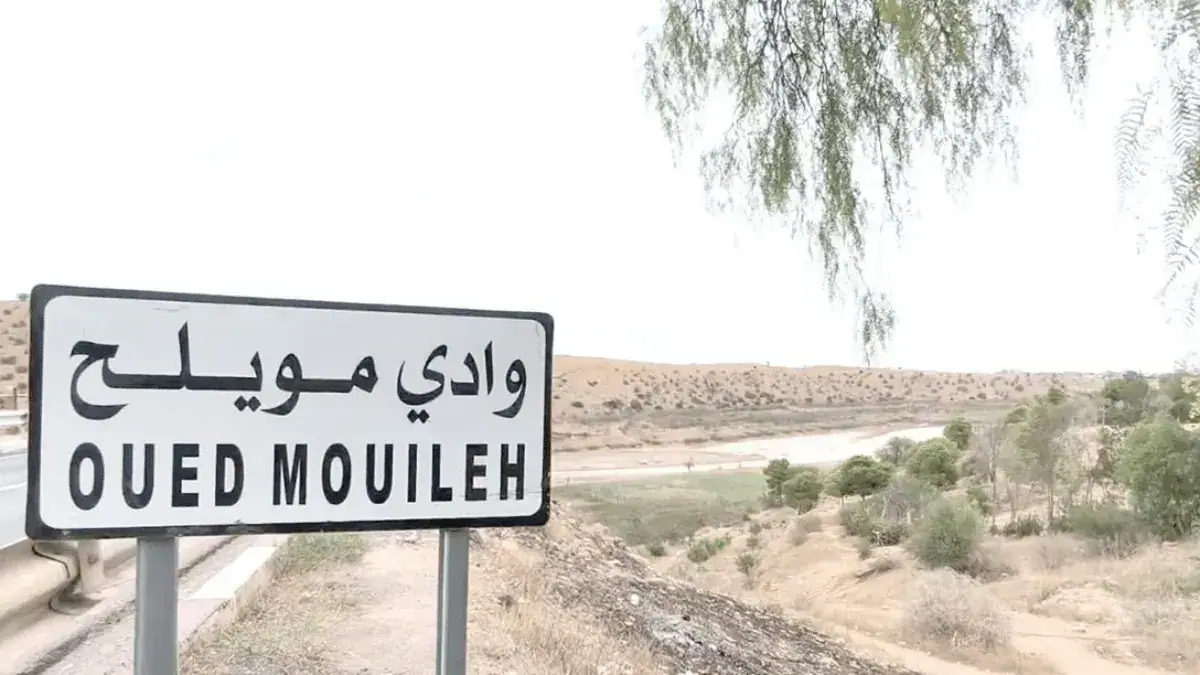
The Maghnia region in western Algeria's Tlemcen province is facing severe environmental damage due to pollution from the Oued Mouilah, a river contaminated by toxic waste from Moroccan industrial units in Oujda. The pollution affects local residents, agriculture, and ecosystems. The Hammam Boughrara dam, which supplies water to the area, is also impacted, with a capacity of 177 million cubic meters.
In September and October 2024, the dam experienced a significant ecological disaster, with over 45 tons of dead fish reported, according to El Moudjahid. The pollution has caused considerable damage to agricultural activities and natural ecosystems in the region. Local residents have reported the death of their livestock due to consumption of contaminated water from the Oued Mouilah.
A recent documentary presented at the International Conference on the Protection and Sustainable Use of Transboundary Watercourses and Prevention of Environmental Pollution, organized by the University of Tlemcen, highlighted the issue. The documentary featured testimonials from local residents, who reported significant damage to their agricultural activities. An estimated 8,000 hectares of agricultural land have been affected due to the water becoming unfit for irrigation.
Researcher Mohamed Doumir has warned that the water from Morocco is contaminated with bacterial and chemical pollutants. He also accused the Moroccan authorities of constructing barrages to prevent the natural flow of watercourses, which affects the region of Béchar. Doumir denounced the behavior of the Moroccan authorities, stating that they are using water poisoning and barrage construction to harm Algeria.
The pollution has had a significant impact on local agriculture, with many farmers reporting the death of their livestock. The water from the Oued Mouilah has become unfit for consumption and irrigation, affecting the livelihoods of local residents. The situation has sparked concerns about the long-term effects of the pollution on the environment and public health.
The issue has been highlighted as a major concern for the region, with many calling for urgent action to address the pollution. The documentary presented at the conference aimed to raise awareness about the issue and promote sustainable practices to protect transboundary watercourses. The conference brought together experts and stakeholders to discuss solutions to prevent environmental pollution.
The pollution of the Oued Mouilah has sparked tensions between Algeria and Morocco, with Algeria accusing Morocco of environmental harm. The situation remains a pressing concern for the region, with ongoing efforts to address the issue and mitigate its effects on the environment and local communities.
Key points
- The pollution of the Oued Mouilah has caused significant damage to agricultural activities, natural ecosystems, and local livelihoods in western Algeria.
- The situation has sparked concerns about the long-term effects of the pollution on the environment and public health.
- Researcher Mohamed Doumir has accused the Moroccan authorities of using water poisoning and barrage construction to harm Algeria.