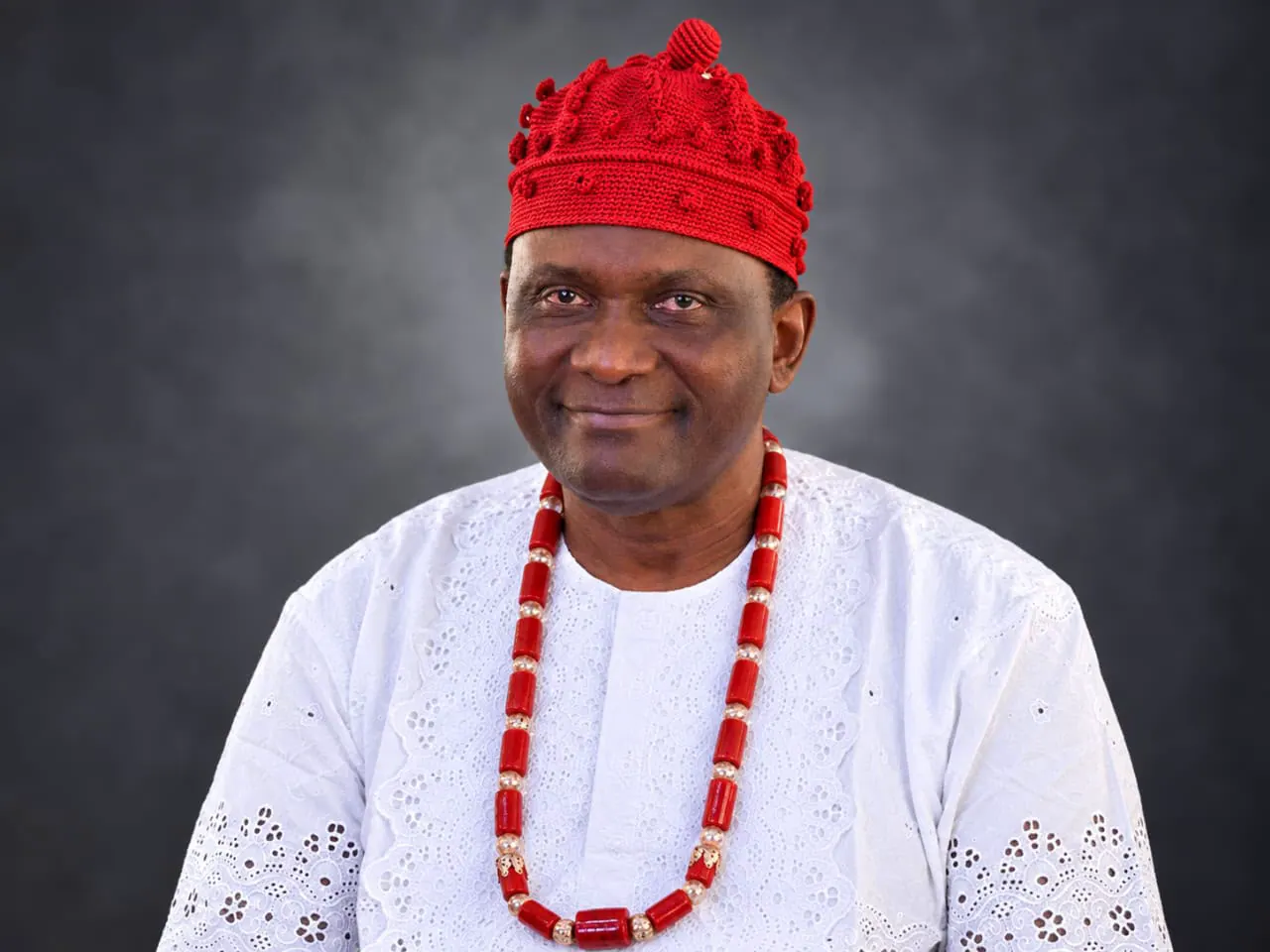
The Chairman of the Hospitality and Tourism Sector Skills Council of Nigeria, Nkereuwem Onung, has called on practitioners in the tourism and hospitality industry to acquire new skills and embrace artificial intelligence as the sector undergoes a digital transformation. Onung made the call in his 2026 World Tourism Day message, stressing that the growing influence of data, AI, and changing consumer behaviour meant that operators could no longer depend solely on traditional methods.
Onung's message, themed "Repositioning for the Future", was in line with this year's global theme, "Digital Agenda and Artificial Intelligence to Redesign Tourism". He emphasized that tourism is changing and that the industry must change with it. Onung noted that data had become increasingly valuable as the industry entered a new phase driven by technology and evolving consumer expectations.
The Chairman of the Hospitality and Tourism Sector Skills Council of Nigeria highlighted the importance of developing the right skills to build a competitive and sustainable tourism industry. He noted that the emergence of Generation Alpha would further influence how destinations and hospitality businesses engage future consumers. Onung also called for stronger collaboration among government, industry practitioners, training institutions, and other stakeholders to prepare the workforce for emerging demands.
Onung commended hotels, hospitality businesses, travel agencies, tour operators, transport and logistics providers, tour guides, attractions, creatives, and other professionals for their contributions to the development of the sector. He also drew attention to Akwa Ibom's tourism potential, saying the state could turn its cultural heritage, natural attractions, and hospitality assets into sustainable economic opportunities under its ARISE tourism agenda.
As Honourary Special Adviser on Culture and Tourism to Governor Umo Eno, Onung commended the governor for his efforts in developing the state's tourism ecosystem. He believed that deliberate development of the state's tourism ecosystem could strengthen its appeal to visitors and investors. Onung emphasized that the future of tourism requires an industry that is "smarter, more inclusive and ready for what comes next".
Onung felicitated with tourism and hospitality professionals across the country on World Tourism Day, urging them to use the occasion to reflect on the skills and innovations required to drive the industry's next phase of growth. He stressed that all stakeholders must play a role in preparing the workforce for the sector's changing demands.
The call for tourism practitioners to acquire new skills and embrace AI comes as the industry faces a digital shift. Key to this shift is the need for the industry to be "smarter, more inclusive and ready for what comes next". Three key points have emerged: the need for the tourism industry to adapt to technology and changing consumer behaviour; the importance of developing the right skills to build a competitive and sustainable tourism industry; and the role of collaboration among stakeholders in preparing the workforce for emerging demands.
Key points
- The tourism industry must adapt to technology and changing consumer behaviour.
- Developing the right skills is critical to building a competitive and sustainable tourism industry.
- Collaboration among stakeholders is necessary to prepare the workforce for emerging demands.