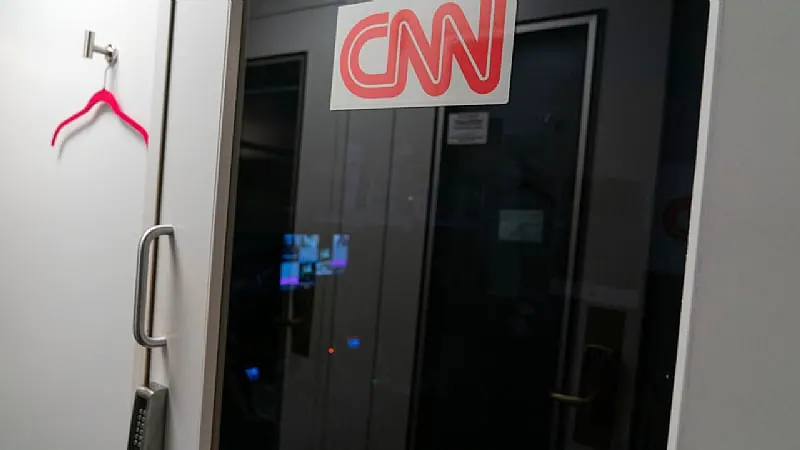
In a rare move, the top five US broadcasters - ABC, CBS, CNN, Fox, and NBC - announced on Monday that they were halting "pool" coverage of the White House. This decision was made in solidarity with CNN, which had been scheduled to serve as the White House TV pool that day. The move comes after President Trump barred CNN, MS NOW, and Politico from covering the White House last week. The networks' decision resulted in the opening of Trump's new White House helipad and his trip to the United Nations General Assembly proceeding without live television coverage.
The Trump administration's ban on the three media outlets has sparked a lawsuit and widespread criticism. CNN, MS NOW, and Politico sued Trump on Monday, asking for a temporary restraining order against the ban. The organizations claim that the ban violates the First Amendment of the US Constitution, which upholds the right to a free press. The lawsuit describes the ban as a "direct assault on the First Amendment" and a "blatant violation of our most fundamental constitutional principles." A US district judge has set a hearing on the complaint for Wednesday.
The White House responded to the criticism by launching a streaming channel, "Trump TV," which it said would show "top videos, major remarks, and must-see highlights streaming 24/7 and updated in real time." The channel was launched on Monday evening and initially showed archive footage of Trump delivering a speech on July 3 at Mount Rushmore. Meanwhile, Vice President JD Vance defended the administration's decision, accusing the news outlets of disseminating "left-wing propaganda." Vance, a former CNN commentator, said that the outlets could still report and exercise their right to free speech.
Trump's ban on the three media outlets went further than simply revoking office space from the outlets. Journalists from CNN, MS NOW, and Politico were denied access to the White House grounds on Saturday and had their passes confiscated. The president has not detailed what prompted the ban, but said in response to a question from an AFP reporter in the Oval Office on Friday that it was "really just cumulative stories over the last two years." Trump warned Friday that other outlets could face a similar fate.
The ban comes at a time when Trump's approval ratings are at record lows, his Republican Party risks losing control of Congress in November's midterm elections, and the Iran war drags on with no end in sight. The president has long attacked media outlets that have aired critical coverage of his campaigns and administrations, repeatedly blasting the press as the "enemy of the people." The lawsuit filed by CNN, MS NOW, and Politico argues that the ban was unlawful retaliation for legally protected speech under the First Amendment.
Legal experts say that Trump's justification for the ban could be its undoing in a legal challenge. US courts have long held that the government cannot condition press access on favourable coverage once it has opened a space to the media. "They don't have to allow anyone in, but once they do they cannot decide who gets in based on viewpoint or content," said University of Maryland journalism professor Lucy Dalglish.
The row has sparked an unprecedented test of wills between the Trump administration and the press in a critical week during which Chinese President Xi Jinping is visiting the White House. Several photo news organizations working at the White House, including AFP, decided to delay the release of photographs of Trump at the helipad in solidarity with the three banned media organisations. Trump remained unrepentant, branding the media a "cancer" and a threat to national security.
Key points
- The top five US broadcasters halted White House pool coverage in solidarity with CNN.
- The Trump administration's ban on CNN, MS NOW, and Politico has sparked a lawsuit and widespread criticism.
- The ban has raised concerns about the Trump administration's relationship with the press and its commitment to a free press.