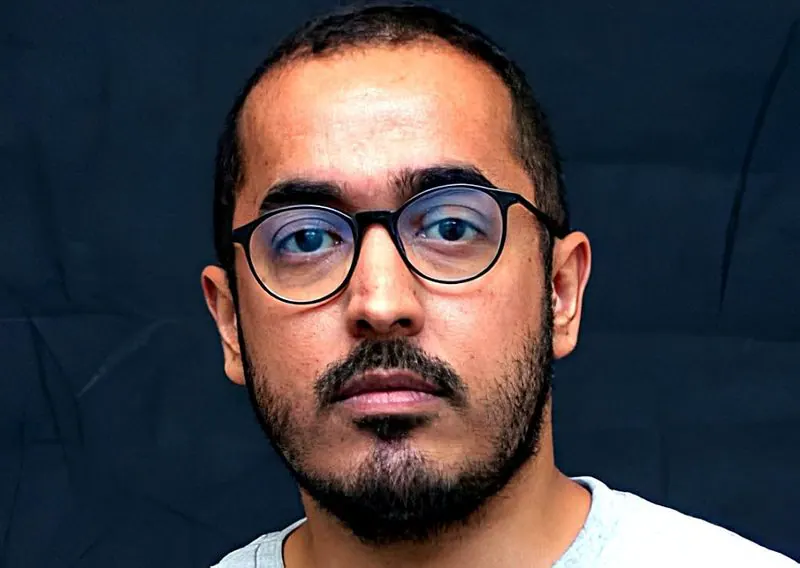
South African investigative journalist Micah Reddy has been reported missing in Djibouti, a small African state on the Red Sea. Reddy, who is the Africa coordinator at the International Consortium of Investigative Journalists (ICIJ), was last heard from on Saturday at midday. He had arrived in Djibouti on Thursday from Johannesburg with a stopover in Addis Ababa. Reddy was staying at the Escale International Hotel in Djibouti, where he met with a local fixer, Kooki Mahmoud.
Reddy's editor at ICIJ, Fergus Shiel, based in Washington, said that Reddy was not in Djibouti to report on the country. Instead, he was investigating a long-term story and had planned to stay in Djibouti for no more than three days. Shiel stated that Reddy had texted him on Saturday at 1 pm local time, saying everything was fine and that Mahmoud was arriving. However, after that, Reddy's phone showed only one tick on messages, indicating he was no longer receiving them.
Concerned about Reddy's safety, Shiel alerted authorities in the UK, South Africa, the US, and Djibouti. The South African government responded quickly, offering help, while the UK government launched a missing person's report with the Djiboutian authorities. Shiel expressed concern that Reddy had disappeared from the lobby of an international hotel, which is unusual. The ICIJ and other organizations are calling on the Djiboutian authorities to reveal Reddy's whereabouts and ensure his safety.
Reddy is known for his investigative work on governance, corruption, and regional affairs. Angela Quintal, Africa director at the Committee to Protect Journalists (CPJ), expressed deep concern about Reddy's disappearance and urged the Djiboutian authorities to clarify his whereabouts and ensure his safety. The CPJ, along with amaBhungane, the South African investigative news agency where Reddy used to work, is calling for his immediate safe return.
The Escale International Hotel where Reddy was staying is owned by members of the family of Djiboutian President Ismaël Omar Guelleh and a key figure in the Djiboutian secret service, according to La Voix De Djibouti, a Djiboutian news journal. Djibouti is considered a repressive country, both for media and more broadly, with Freedom House rating it "Not Free" in its 2026 Freedom in the World report.
The international media freedom advocacy group Reporters without Borders ranked Djibouti 167th out of 180 countries in its 2023 index of media freedom. The group noted that the government, led by President Ismaïl Omar Guelleh, deploys a range of tactics to restrict media freedom, including judicial harassment, illegal searches, attacks, and arrests. No independent media outlet is based in the country, and many operate in exile.
The disappearance of Reddy and Mahmoud has raised concerns about the safety of journalists working in Djibouti. The country's strategic location at the entrance to the Red Sea, hosting major military bases of several countries, appears to immunize the government from criticism for its repressive policies. The ICIJ and other organizations continue to call for Reddy's safe return and for the Djiboutian authorities to clarify his whereabouts.
Key points
- The South African and British governments have tried to contact the Djiboutian government to find out if Micah Reddy and Kooki Mahmoud have been arrested or if something else has befallen them.
- Djibouti is considered a repressive country, both for media and more broadly, with Freedom House rating it "Not Free" in its 2026 Freedom in the World report.
- The international community is calling for Reddy's safe return and for the Djiboutian authorities to clarify his whereabouts and ensure his safety.