In the second week of October 2026, several false narratives emerged in Nigeria, covering politics, security, and sports. DUBAWA, a fact-checking organization, investigated and verified the claims. One claim stated that terrorists killed over 100 civilians in Sokoto State. Hausaland Magazine, a Facebook blog, made the claim on October 5, 2026. However, DUBAWA found that no community with the name "Garin Gobir Gindin" exists in Sokoto, and the Nigerian Army and Sokoto State Police Command denied the attack.
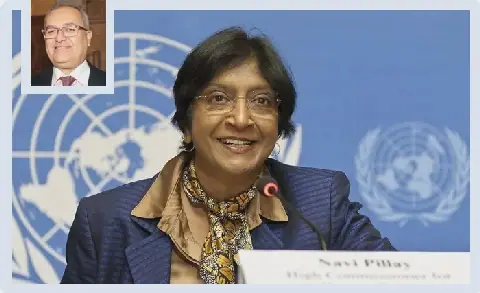
Another claim made by an X user stated that Independent National Electoral Commission (INEC) chairperson, Joash Amupitan, welcomed President Bola Tinubu at the airport upon his return to Nigeria from Europe. However, DUBAWA found that the person in the photo was not Amupitan. The organization published a report revealing the true identity of the person in the photo. This incident highlights the need for accurate information, especially on social media platforms.
A Facebook user claimed that Kandeh Yumkella, a Sierra Leonean politician, had moved from the Sierra Leone People's Party (SLPP) to the All People's Congress Party (APC) while maintaining his position as chairperson of the National Grand Coalition (NGC) party. DUBAWA investigated the claim and found no evidence to support it. Kandeh Yumkella is known for frequently switching parties, but there was no recent switch to the APC.
A viral claim stated that Argentina's President declared October 6, 2026, a public holiday so people could watch Lionel Messi's last national team game. However, the Argentine government made no such announcement. DUBAWA published a report detailing their findings, which revealed that the claim was false. This incident demonstrates how quickly misinformation can spread, especially on social media.
DUBAWA's efforts to verify these claims are crucial in combating misinformation. The organization encourages the public to submit suspicious claims for verification. By doing so, they aim to promote a culture of fact-checking and accuracy in reporting. In today's digital age, it is essential to be cautious when sharing information online.
The spread of misinformation can have severe consequences, including inciting violence or damaging reputations. DUBAWA's work helps to mitigate these risks by providing accurate and reliable information. Their fact-checking reports are available online for those interested in learning more about the claims they investigated.
In conclusion, DUBAWA's recent fact-checking efforts have debunked several false claims making the rounds on social media. By verifying information and providing accurate reports, the organization plays a vital role in promoting a culture of truth and accuracy. Their work is essential in today's digital landscape, where misinformation can spread quickly.
Key points
- DUBAWA debunked false claims on Sokoto killing, Messi's public holiday, and other issues.
- The organization promotes a culture of fact-checking and accuracy in reporting.
- Misinformation can have severe consequences, including inciting violence or damaging reputations.