Kenya's 47 county governments collectively spent KSh 235.96 billion on employee compensation in the 2025/26 financial year. This consumed 47.52% of all county expenditure and almost double the KSh 126.69 billion channelled into development, according to the Controller of Budget's County Governments Budget Implementation Review Report for FY 2025/26. The wage bill absorbed 39.54% of the KSh 596.78 billion in counties reported in total revenue, well above the 35% statutory ceiling set under Section 107(2) of the Public Finance Management Act, 2012.
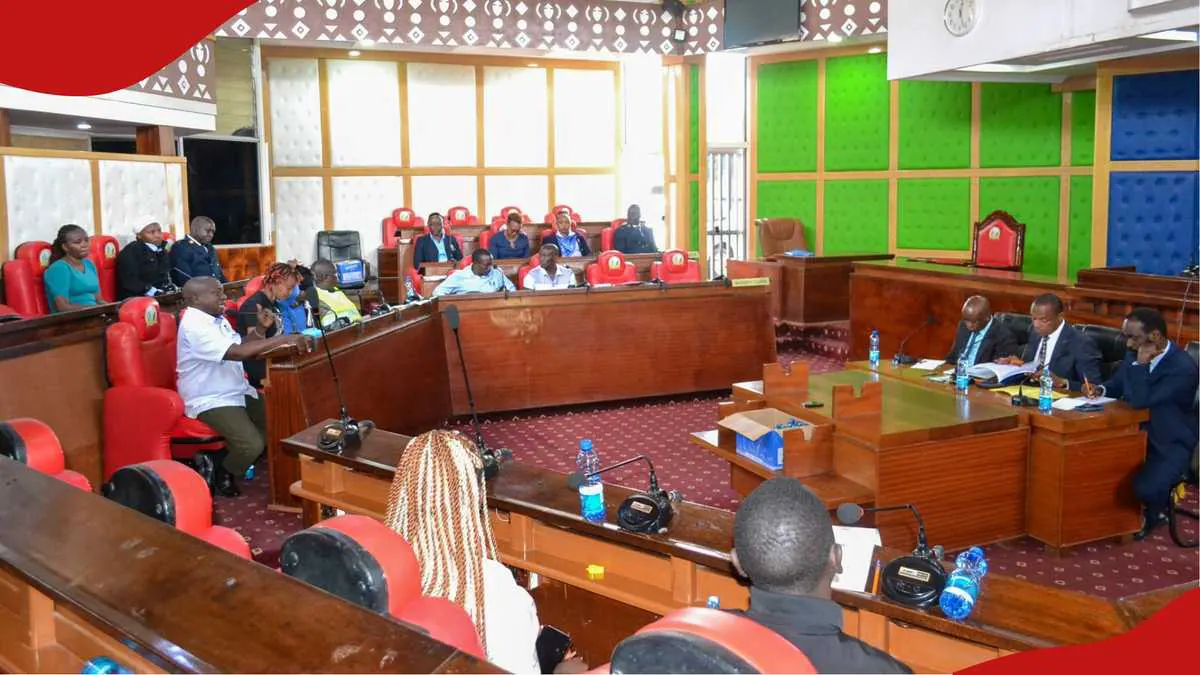
Only five counties, Tana River, Kwale, Nakuru, Uasin Gishu, and Kirinyaga, remained within the legal limit. The report reveals wide disparities across county assemblies in terms of average monthly sitting allowances for members of the county assembly (MCAs). Against a national average of KSh 60,276 per MCA, counties with smaller assemblies tend to pay higher per-member allowances because the same budget is divided among fewer ward representatives.
Embu County paid its MCAs the highest average monthly sitting allowance in the country, nearly three times the national average. Embu has 31 MCAs, while Samburu has 26, Tharaka-Nithi has 24, and Lamu has just 20. The top 10 counties with the highest MCA sitting allowances are: Embu (KSh 163,602), Samburu (KSh 131,282), Busia (KSh 101,265), Tana River (KSh 95,000), Tharaka-Nithi (KSh 93,611), West Pokot (KSh 84,747), Kericho (KSh 84,045), Makueni (KSh 83,384), Kajiado (KSh 83,333), and Lamu (KSh 83,083).
The report also flags budgetary overruns: Kakamega spent 131.29% of its sitting allowance allocation, Nandi 128.23%, and Lamu 103.32%. Nairobi City County leads all 47 counties with a wage bill of KSh 17.82 billion, representing 7.6% of the entire national county payroll and more than double the second-placed Nakuru at KSh 8.51 billion.
Homa Bay posted the highest wage-to-expenditure ratio among the top ten, directing over 60% of all its spending towards personnel costs. The county spent KSh 4.55 billion on salaries from a total revenue of KSh 7.26 billion, while development received just KSh 1.62 billion. Mombasa followed at 57.4%, with Machakos at 55.8%.
The Controller of Budget's report directly links excessive wage bills to reduced capacity for service delivery, noting that personnel costs continued to exert significant pressure on county fiscal space. Manual payroll systems and staff not captured on the Human Resource Information System were flagged as additional risks in several counties. With nearly half of all county spending directed at compensation, investment in roads, hospitals, and water systems is being squeezed out.
Key points
- Embu County paid its MCAs the highest average monthly sitting allowance in 2026, at KSh 163,602.
- Kenyan county governments breached the 35% wage bill ceiling, spending KSh 235.96 billion on employee compensation in 2025/26.
- Only five counties remained within the legal wage bill limit in 2025/26.