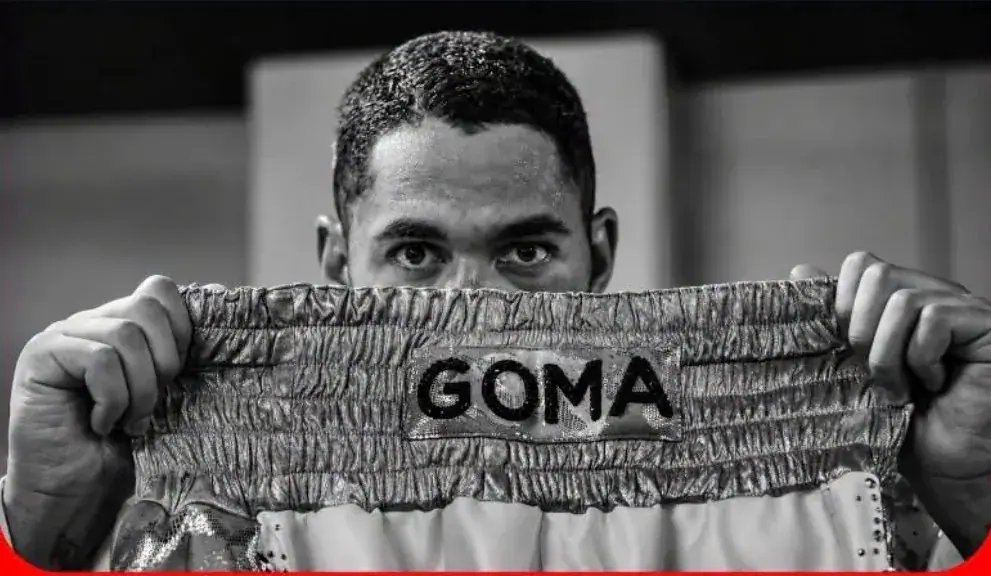
French boxer Tony Yoka secured a victory on Saturday, November 7, in Manchester, defeating Ukrainian boxer Kostiantyn Dovbyshchenko after six rounds. Yoka, a 2016 Olympic champion, won with a score of 59-55. This win marks his return to the ring after nearly a year without competing. The match took place as part of the preliminary fights for the Buatsi-Hutchinson 2 event at the Manchester Arena. Yoka, of Congolese descent, accepted the fight at short notice.
Yoka's victory was not just a sporting achievement but also a gesture of solidarity with the people of the Democratic Republic of the Congo (DRC). He wore the country's colors during the fight and dedicated his win to the Congolese people. In a post-fight statement, Yoka said, "Combat gagné ce soir. L’occasion pour moi de parler de ce qui se passe dans l’Est de la RDC. Cette victoire était pour vous. Nzambe asunga biso," which translates to "God help us." This message resonated particularly given the current violence and displacement in eastern DRC.
The fight against Dovbyshchenko, an experienced opponent, was not widely publicized before the event. Yoka controlled the six rounds, although he never knocked his opponent out. The victory is significant for Yoka, who is 34 years old and of French and Congolese heritage. His win demonstrates his continued skill in the sport and his ability to perform under pressure.
By dedicating his victory to the DRC, Yoka used his platform to draw attention to the crisis in the East. The region has been experiencing violence and displacement, and Yoka's gesture highlights the impact on the local population and the diaspora. His actions show the symbolic power that athletes of Congolese origin or those connected to the DRC can have, extending beyond their sports performances.
Yoka's message, accompanied by the phrase "Nzambe asunga biso," underscores the importance of international attention to the DRC's situation. The crisis in the East is not confined to the country's borders but also affects its diaspora and global image. Yoka's public support serves as a reminder of the human and political dimensions of the conflict.
The intersection of sports and solidarity was evident in Yoka's victory. While his win was primarily a sporting achievement, it gained additional significance through his public commitment to the cause. By dedicating his success to the Congolese people, Yoka linked his performance to a major humanitarian and political issue.
Yoka's actions reflect a broader trend of athletes using their platforms to advocate for social and political causes. His dedication of the victory to the DRC and its people highlights the role that sports figures can play in raising awareness about global issues. This approach can help keep international attention focused on critical situations and amplify the voices of those affected.
Key points
- Tony Yoka's victory was dedicated to the people of the Democratic Republic of the Congo, highlighting the crisis in the East and the need for international attention.