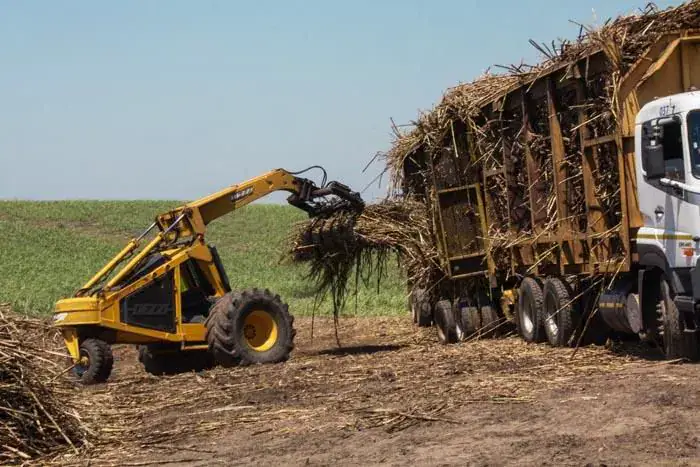
Tongaat Hulett has brought its South African sugar milling season to an early end after failing to secure urgently needed R350 million interim funding. The company confirmed that it had asked growers to stop further cane deliveries and begun a controlled curtailment of affected operations. This decision was made due to the failure to make available an additional R350 million in post-commencement funding approved by the Industrial Development Corporation (IDC) board.
The decision highlights the financial pressure the company faces as it tries to complete its proposed transaction with Vision Investments and stabilise its operations. Growers face payment uncertainty, with Tongaat Hulett confirming it could not make October cane payments on the normal payment date. Available cash resources and receipts would be applied towards grower payments as funds became available.
SA Canegrowers reported that Tongaat Hulett’s three mills served approximately 18,000 sugarcane growers. The association’s chairperson, Higgins Mdluli, previously warned that the industry faced significant uncertainty despite a positive start to the 2026/27 milling season. The association has also warned that the collapse of milling operations could have consequences extending beyond growers to farmworkers, transporters, contractors and rural businesses.
Tongaat Hulett’s difficulties come at a time when local sugar producers are also facing competition from imported sugar. SA Canegrowers reported that 213,000 tonnes of sugar were imported from duty-bearing countries in 2025. The association warned that imports were displacing locally produced sugar in the domestic market, with the industry losing more than R7,500 for every tonne of imported sugar.
The pressure on domestic production is significant given the industry’s contribution to rural economic activity. According to the South African Sugar Association (SASA), the milling and refining sector employs more than 7,000 people across 12 sugar mills and their administration offices in KwaZulu-Natal and Mpumalanga. The wider sugar industry supports more than one million livelihoods.
The developments also raise questions about the implementation of the South African Sugarcane Value Chain Master Plan to 2030. Phase 2 of the plan seeks to strengthen local sugar production, improve competitiveness and protect jobs across the value chain. However, the early closure of Tongaat Hulett’s affected milling operations creates additional uncertainty around the industry’s ability to maintain local production.
The proposed transfer of Tongaat Hulett’s South African operating business to Vision remains central to the company’s rescue efforts. The business rescue practitioners confirmed that the subscription and shareholders agreements had been signed, but the transaction had not yet been implemented. Outstanding matters relating to the South African Sugar Association and the required Public Finance Management Act approval were still being progressed.
Key points
- Tongaat Hulett halts cane deliveries after failing to secure R350 million in interim funding.
- The company’s collapse affects 18,000 sugarcane growers and may have broader consequences for farmworkers, transporters, contractors and rural businesses.
- Local sugar producers face competition from imported sugar, with 213,000 tonnes imported from duty-bearing countries in 2025.