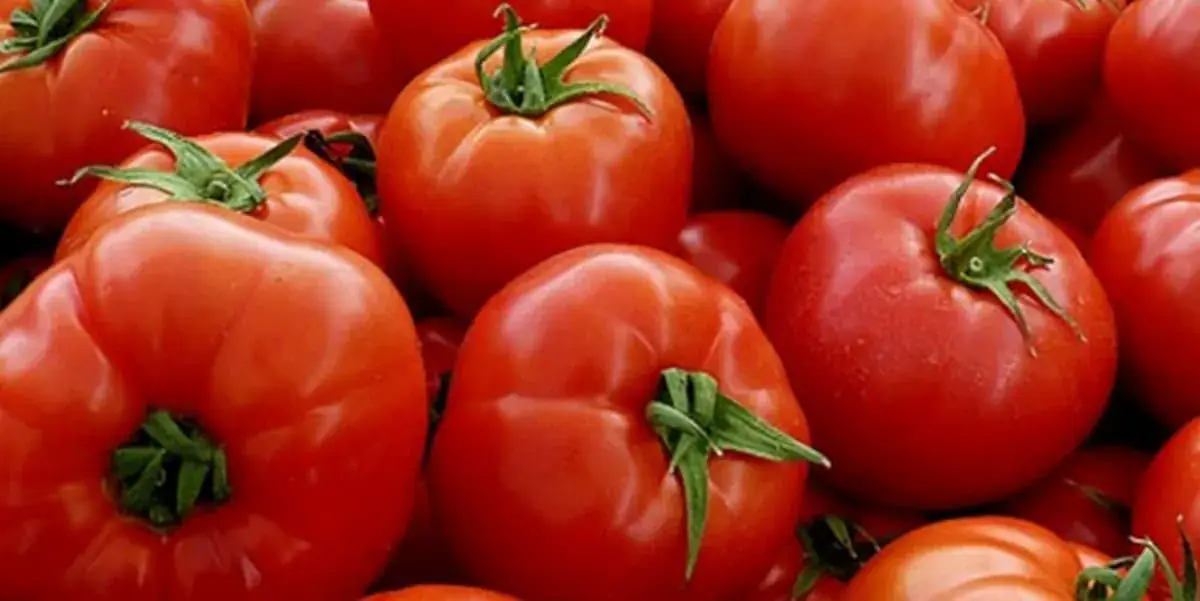
The price of fresh tomatoes in Tunisia has surged to between 5 and 6 dinars per kilogram, with prices even higher in some markets. According to Midani Dhaoui, president of the Tunisian Farmers' Union, this increase has sparked concerns about the role of intermediaries in the distribution chain. The high prices have been attributed to the margins practiced by these intermediaries, which significantly exceed the prices paid to producers.
The price paid to producers is reportedly between 1 and 1.8 dinars per kilogram, a significant disparity with the prices observed at the retail level. This gap has raised questions about the formation of prices and the functioning of distribution circuits. Dhaoui has also pointed to the increasing agricultural costs and the outdated reference tariffs, which have not been updated in five to six years.
The production of tomatoes has been affected by difficult climatic conditions, including high temperatures during flowering, hail episodes, and phytosanitary problems. These challenges have impacted yields in several producing regions, including Sbiba, Foussana, and Fériana. The current season has already been marked by a decline in supply and a delicate transition between production cycles.
The difference between the price at production and the price paid by consumers has raised questions about the successive margins in the marketing chain. However, it is not possible to determine the profit made by intermediaries without considering transportation costs, handling, losses, and other distribution charges. For producers, controlling these circuits and better accounting for agricultural costs have become essential issues.
The soaring tomato prices have significant implications for consumers, who continue to bear the brunt of the price increase. The issue has sparked concerns about the need for greater transparency and regulation in the distribution chain. The Tunisian government and stakeholders will need to address these concerns to ensure a more equitable distribution of profits along the supply chain.
The tomato sector is a significant component of Tunisia's agricultural industry, and the current price crisis highlights the need for sustainable solutions. The Farmers' Union and other stakeholders will need to work together to find ways to reduce the margins practiced by intermediaries and ensure a fairer distribution of profits.
The issue of tomato prices in Tunisia is a complex one, involving multiple stakeholders and factors. As the country continues to grapple with the challenges facing its agricultural sector, finding solutions to these issues will be crucial to ensuring food security and supporting the livelihoods of farmers and other stakeholders.
Key points
- The price of tomatoes in Tunisia has reached 5-6 dinars per kilogram, prompting concerns about the role of intermediaries.
- The price paid to producers is significantly lower than the retail price, with producers calling for greater transparency and regulation.
- The issue highlights the need for sustainable solutions to support the tomato sector and ensure a fairer distribution of profits.