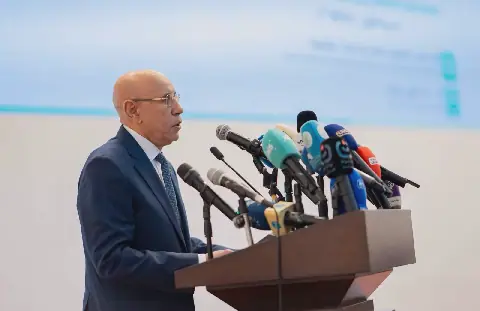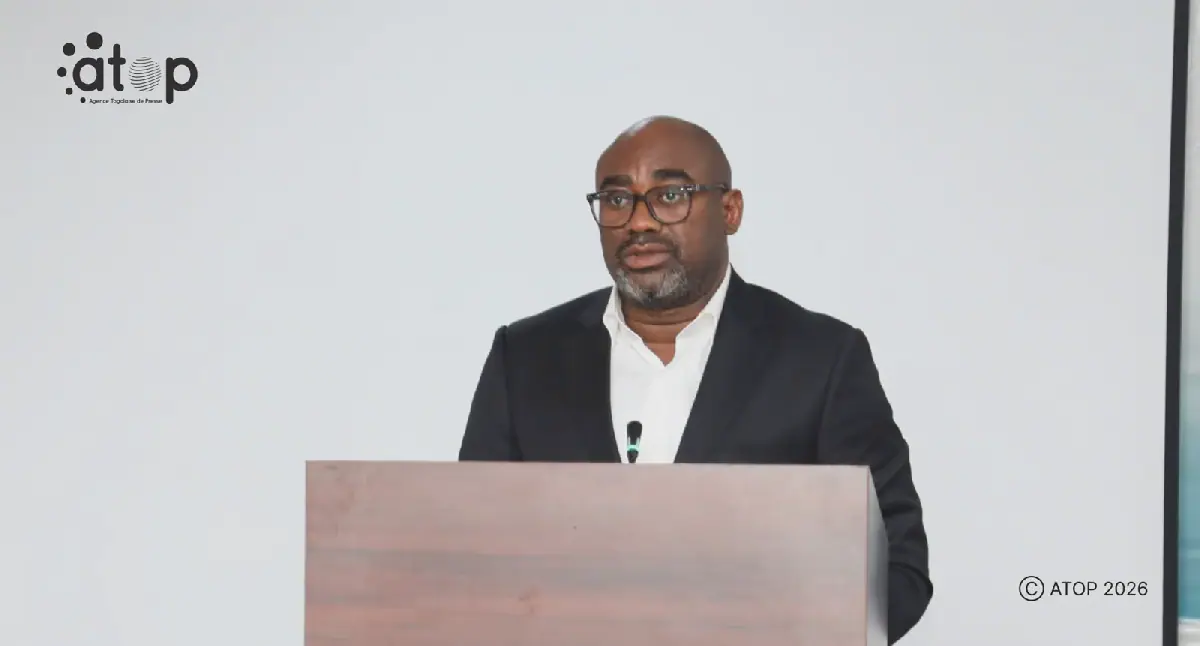
An international colloquium on regional African courts and human rights protection concluded on October 30 at the University of Lomé. The event, themed "Regional African Courts for Human Rights Protection: Between Guarantee of the Rule of Law, Control of Constitutional Changes, and State Sovereignty," was attended by academics and law specialists. The two-day gathering aimed to foster dialogue between national and community courts.
The closing ceremony was led by Professor Dodzi Kokoroko, president of the organizing committee. Discussions during the colloquium focused on regional integration challenges in West Africa, state sovereignty, and constitutional autonomy. Participants examined the role of Togo in this dynamic, given its geostrategic position. They also discussed conditions for receiving and executing community court decisions at the national level.
Experts emphasized the need for increased exchanges between national and regional judges, both jurisdictionally and institutionally, to prevent misunderstandings and facilitate decision implementation. Professor Kokoroko stressed that national and community courts should not operate in isolation. He advocated for better communication between judges to promote understanding and execution of their decisions.
The need to delineate the community judge's intervention field and build an autonomous regional justice system was also highlighted. This system should have its own normative references and assessment criteria, respecting international standards on human rights, democracy, and the rule of law. Professor Nadine Maachiko, an expert in political science, noted that decision execution depends not only on legal mechanisms.
Maachiko explained that decision execution is also linked to national political realities, power dynamics, and institutional organization. She called for a better understanding of the conditions under which states receive and apply community court decisions while preserving their constitutional autonomy. The participants issued a call to strengthen dialogue between national and community courts.
This strengthened dialogue aims to improve the articulation of their interventions and the effective application of court decisions. The discussions also underscored the importance of Togo's role in regional integration, given its strategic position in West Africa. The country's experience in implementing community court decisions was also examined during the colloquium.
The event provided a platform for academics and law specialists to share insights and experiences on regional African courts and human rights protection. The conclusions drawn from the colloquium are expected to contribute to the ongoing efforts to enhance the effectiveness of regional courts in promoting human rights and the rule of law in Africa.
Key points
- Togolese academics call for strengthened dialogue between national and community courts to improve the application of court decisions.