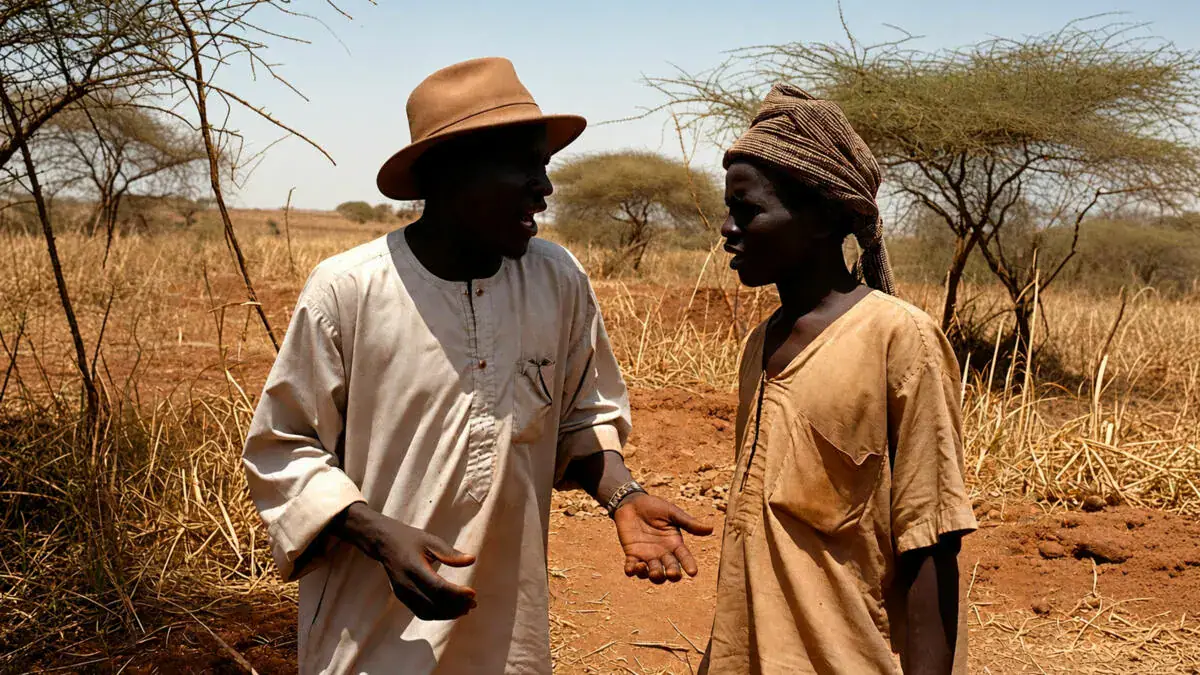
The Togolese government is preparing a series of measures to ease tensions between farmers and herders. Over the past five years, Togo has recorded 2,254 incidents between the two groups. While most are resolved peacefully, 147 turned violent between 2021 and 2025, according to the Ministry of Agriculture. The conflicts often arise from damage to crops, with 86% of disputes attributed to herds destroying farmland.
The scenario typically involves a herd crossing a field and destroying crops, leading to conflicts. Other disputes arise from access to transhumance routes, grazing areas, water points, and exploitation of resources in protected areas. With thousands of heads of cattle from Sahelian countries crossing Togo each year in search of pasture and water, pressure on agricultural land increases.
Most cases, 2,107 out of 2,254, are resolved amicably, often through traditional chiefs or local committees. More serious cases are handled by the gendarmerie, judicial police, or the justice system. However, the Ministry acknowledges that many village-level agreements go unreported, suggesting the actual number of incidents may be higher.
To address the issue, authorities plan to tighten regulations, strengthen prevention and mediation mechanisms, and modernize pastoral infrastructure, including passage corridors, rest areas, and water points. Improving animal health monitoring and rural security is also a priority. The government aims to adopt an integrated agropastoralism approach, encouraging farmers and herders to work together.
The integrated approach involves utilizing crop residues as animal feed and using manure to fertilize soil naturally. Locally designed and managed projects aim to make this complementary system a reality. By working together, farmers and herders can benefit from each other's activities, reducing tensions and conflicts.
The Ministry of Agriculture admits that the recorded numbers may be underestimated due to unreported cases. Therefore, the government is seeking to improve data collection and monitoring of farmer-herder incidents. This will enable more effective planning and implementation of measures to prevent and resolve conflicts.
The authorities hope that the new approach will bring peace to rural areas and improve the livelihoods of both farmers and herders. The success of these measures will depend on effective implementation, collaboration between stakeholders, and the willingness of farmers and herders to adopt new practices.
Key points
- Togo has recorded 2,254 farmer-herder incidents in the past five years, with 147 turning violent between 2021 and 2025.
- The government plans to modernize pastoral infrastructure and improve animal health monitoring to address the issue.
- Authorities aim to promote an integrated agropastoralism approach, encouraging farmers and herders to work together to reduce tensions and conflicts.