The Togolese parliament is set to examine a bill creating a Caisse des dépôts et consignations, a public institution aimed at mobilizing long-term financial resources for the country's development. The bill, adopted by the government in July 2026, has sparked concerns among lawmakers and citizens over the need for robust safeguards to protect the resources of millions of citizens and public institutions. The bill's examination is scheduled to start on October 28, 2026.
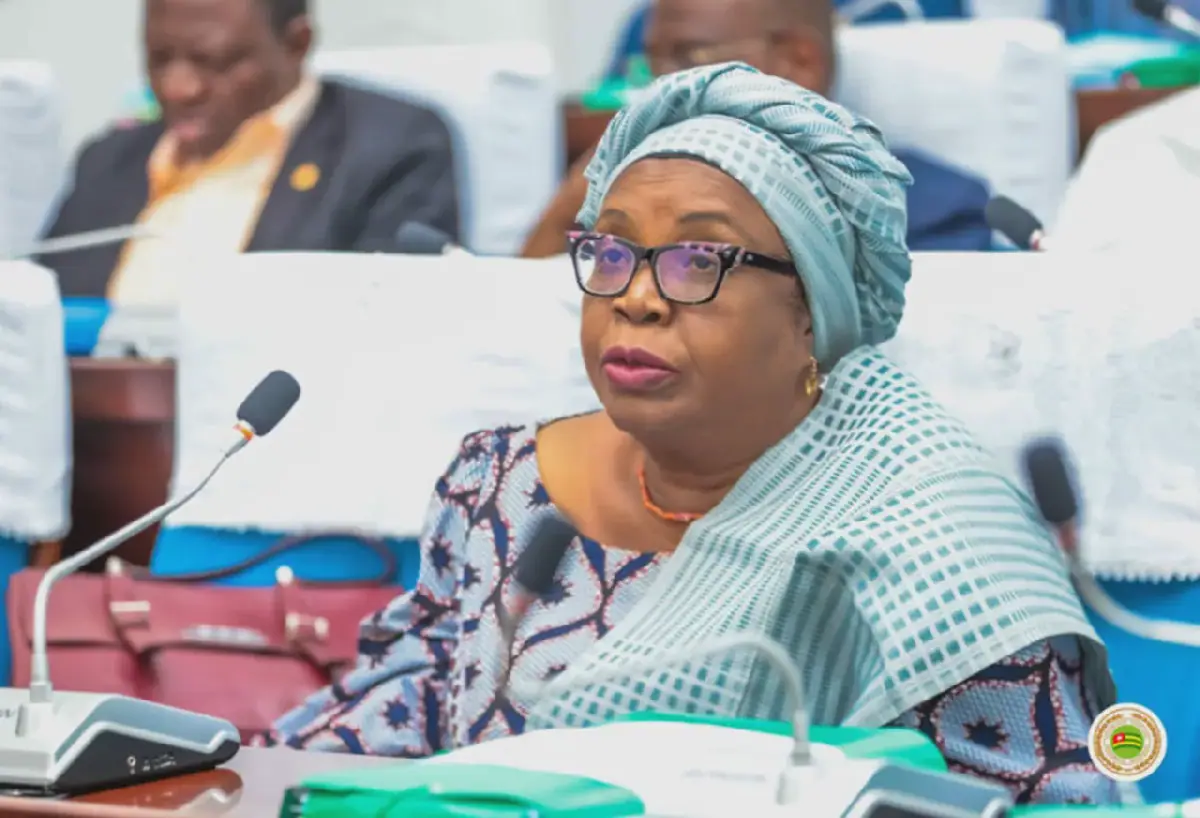
Deputy Kafui Adjamagbo-Johnson of the opposition party, DMP, has expressed concerns over the rushed process, citing the need for a thorough examination of the bill's implications. She emphasized that the creation of such an institution requires careful consideration of the risks and guarantees involved. Adjamagbo-Johnson called for seven specific guarantees to be included in the bill, ensuring that citizens' resources are protected, monitored, and returned to their rightful owners.
The proposed institution aims to address Togo's significant development needs, including social housing, infrastructure, and financing for small and medium-sized enterprises. However, Adjamagbo-Johnson stressed that economic ambitions are not enough to justify a law that may put citizens' resources at risk. The deputy highlighted the importance of establishing clear controls and guarantees to prevent potential misuse of funds.
Other African countries, such as Senegal and Benin, have already established similar institutions, with Senegal creating its Caisse des dépôts et consignations in 2006. Togo's delay in establishing such an institution raises questions about the country's economic policy choices. However, Adjamagbo-Johnson noted that Togo can learn from the experiences of other countries and incorporate best practices into its own legislation.
A Caisse des dépôts et consignations is designed to receive, conserve, and manage resources from various sources, including judicial deposits, guarantees, and funds from public institutions. While it may contribute to financing the economy through carefully regulated investments, its primary mission is to ensure the security of deposited resources. The institution must maintain a clear distinction between its own resources and those managed on behalf of third parties.
The proposed bill outlines a structure for the institution, including a Commission de surveillance, a direction générale, and a caisse générale. However, concerns remain about the potential for undue influence from the executive branch. Adjamagbo-Johnson emphasized the need for clear counter-powers and guarantees of independence to prevent such risks.
As the Togolese parliament prepares to examine the bill, citizens and lawmakers alike are calling for a more cautious approach. The country's experience with similar institutions in other African countries provides a valuable reference point. Ultimately, the goal is to ensure that the proposed Caisse des dépôts et consignations serves as a reliable and secure institution for managing citizens' resources.
Key points
- Deputy Adjamagbo-Johnson is calling for seven specific guarantees to be included in the bill to protect citizens' resources.
- The proposed institution aims to mobilize long-term financial resources for Togo's development needs.
- Togo is following in the footsteps of other African countries, such as Senegal and Benin, which have established similar institutions.