The Syndicat National des Journalistes Indépendants du Togo (SYNJIT) has submitted a plea to the United Nations system in Togo, highlighting the dire working conditions faced by private journalists in the country. According to a recent survey conducted by the union, 91.3% of private journalists earn less than 100,000 FCFA (approximately 153 euros) per month, with 49.3% living below the extreme poverty threshold of 50,000 FCFA (approximately 77 euros) per month.
The SYNJIT union is seeking support from the UN to address the precariousness faced by private journalists in Togo. The union's plea is based on one of the 17 Sustainable Development Goals (SDGs) of the United Nations, specifically SDG 16, which promotes peace, justice, and effective institutions. The union believes that by investing in the social dignity of journalists, the UN system in Togo can promote this SDG and ensure citizens' right to reliable, neutral, and professional information.
The survey conducted by SYNJIT also revealed that 60.9% of private journalists work in total contractual instability, without a permanent contract, and 38% face chronic delays or irregularities in their salary payments. Furthermore, over 50% of private journalists lack social security coverage or health insurance. These findings have prompted the SYNJIT union to take action to address the situation.
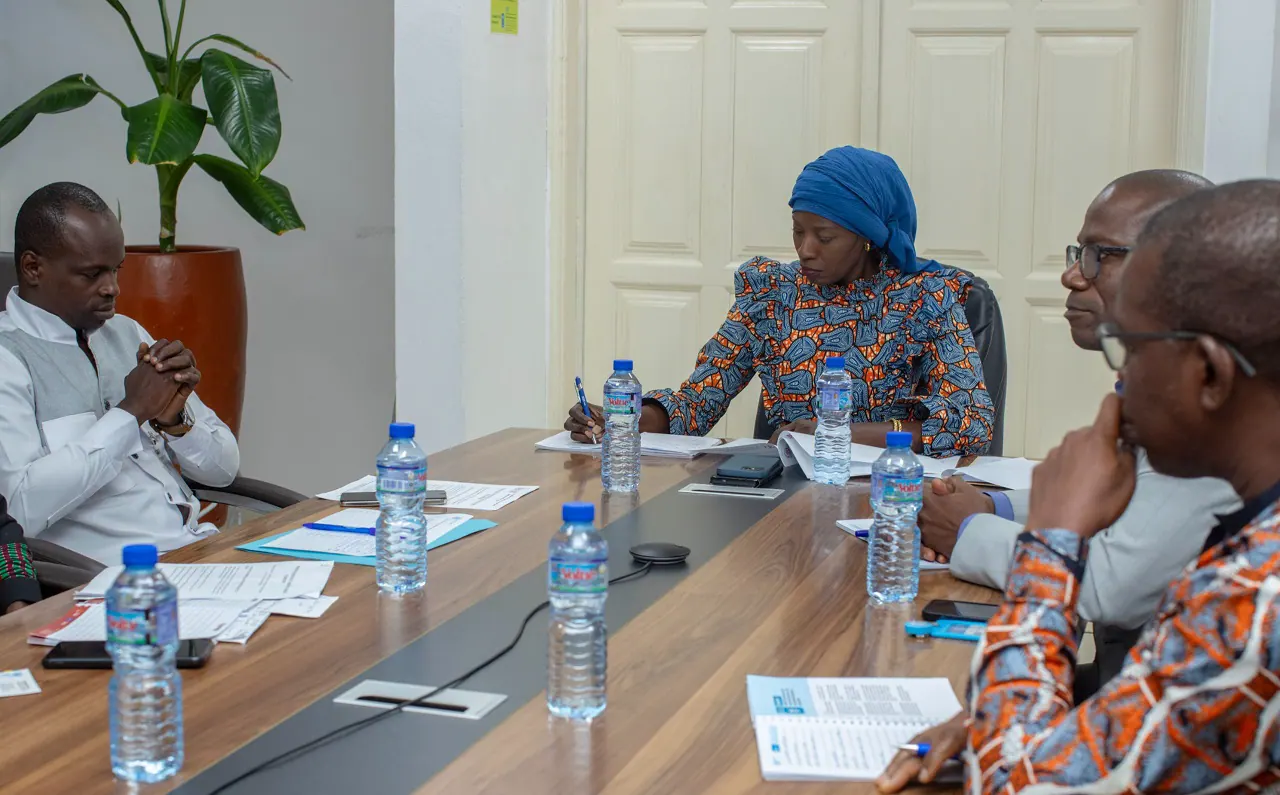
The SYNJIT union met with Coumba Dieng Sow, Coordinator of the UN system in Togo, on September 24, 2026, to present the survey findings and submit its plea. The union is seeking a collaborative approach to address the precariousness faced by private journalists and transform precarious jobs into stable and viable careers. This collaboration marks a first step towards a promising partnership.
The SYNJIT union believes that the media is a pillar of democracy and the rule of law, and that investing in the dignity of journalists is essential to promoting SDG 16. The union is convinced that the private media sector in Togo cannot be exempt from general and global labor laws, and that the current level of journalists' income is incompatible with the SDG 8 goal of promoting decent work and economic growth.
The SYNJIT union has been advocating for better working conditions for private journalists in Togo for 15 years, and its efforts have led to the development of a scientific survey that highlights the extent of the problem. The union's plea to the UN system in Togo is part of its broader strategy to promote the well-being of private journalists and ensure that they can work in a stable and secure environment.
The partnership between SYNJIT and the UN system in Togo aims to address the brain drain of private journalists to other sectors or abroad, and to promote the development of strong institutions in Togo. The SYNJIT union remains committed to its fight for a protective and ambitious framework that prioritizes the well-being of private journalists in Togo.
Key points
- The SYNJIT union is seeking support from the UN to address the extreme precariousness faced by private journalists in Togo.
- The survey conducted by SYNJIT reveals that 91.3% of private journalists earn less than 100,000 FCFA per month.
- The partnership between SYNJIT and the UN system in Togo aims to transform precarious jobs into stable and viable careers for private journalists.