The Kara region in northern Togo is witnessing a surge in development projects aimed at boosting economic growth, social welfare, and infrastructure. According to Komla Adjitowou, the region's governor, several initiatives are underway, including the construction of the Djamdè slaughterhouse and the completion of the Niamtougou slaughterhouse area. These projects are part of a broader strategy to modernize the region's infrastructure and improve the quality of life for its residents.
The Kara region, located approximately 420 km from Lomé, covers an area of nearly 11,700 km², accounting for over 20% of Togo's national territory. The region comprises seven prefectures and has a population of around one million people, according to the latest census. Its diverse landscape features plains, valleys, and ancient massifs, including the Défalé and Kabyè mountains, which stretch towards the borders of Benin and Ghana.
The region's capital, Kara, was established in the 1970s under the leadership of former President Gnassingbé Eyadéma, who hailed from the nearby village of Pya. The area is predominantly inhabited by the Kabyè people, Togo's largest ethnic group, renowned for their expertise in terracing crops on rocky soil. The Kara region is also home to some of Togo's most stunning natural sites, including the Fazao-Malfakassa national park, the Kéran reserve, and the Sarakawa animal park.
In addition to infrastructure development, the Kara region is also focusing on social and cultural projects. The construction of the Guérin-Kouka Mother-Child Hospital, the Bassar Sports Development Center, and a cultural bank, interpretation center, and art gallery are underway. These initiatives aim to promote the region's rich cultural heritage and provide essential services to its residents.
Road infrastructure development is also a priority, with 21 crossing structures being built on the Niamtougou–Siou–Pouda–Massédéna–Tchitchira–Tapounté–Radier Koutougou section, spanning 50 km. Other roads are undergoing repair, resurfacing, and sanitation work, improving connectivity and accessibility within the region.
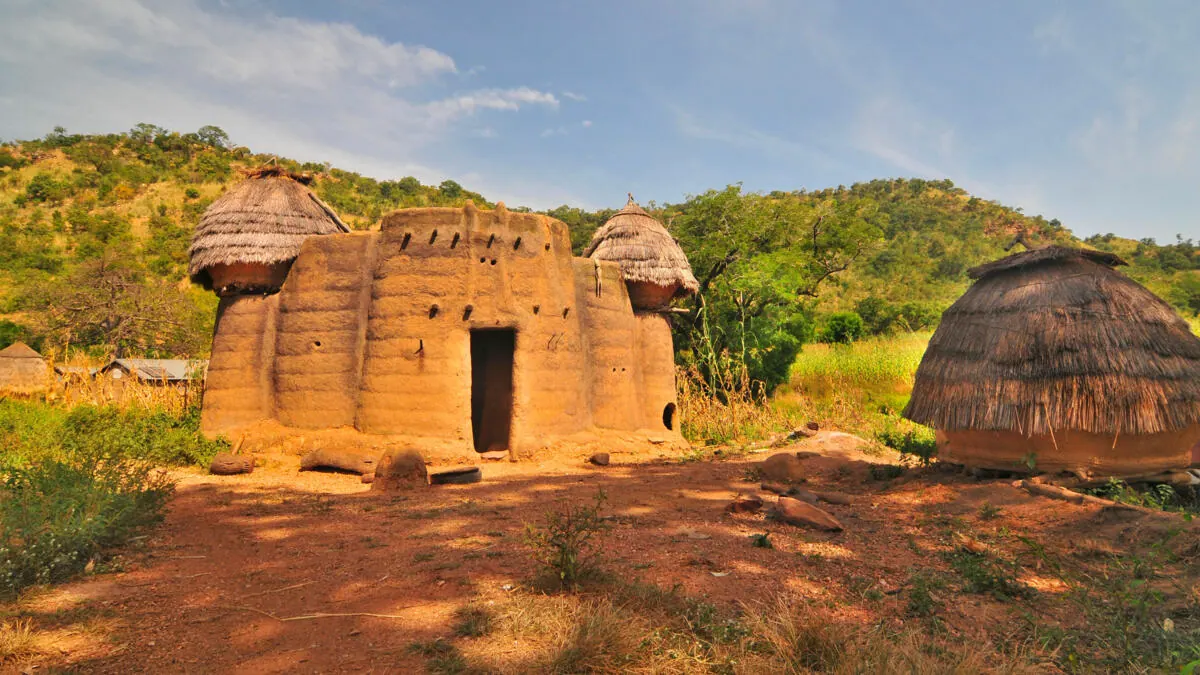
The Kara region is also notable for its unique cultural landscape, featuring the Tamberma country, a UNESCO World Heritage Site known as Koutammakou. This site is famous for its traditional earth architecture, the "Tata Tamberma". The region's governor has emphasized that the development projects are designed to complement the region's cultural and natural riches, ensuring sustainable growth and development.
As the Kara region continues to develop, it is expected to strengthen its position as a significant contributor to Togo's economy and cultural heritage. With a focus on balanced growth, the region aims to preserve its natural and cultural assets while improving the living standards of its residents. The development projects are a step towards achieving this goal, and their impact will be closely monitored in the coming years.
Key points
- The Kara region in Togo is investing in infrastructure development, including road construction and social projects such as hospitals and sports centers.
- The region is home to several natural and cultural sites, including the Fazao-Malfakassa national park and the Tamberma country, a UNESCO World Heritage Site.
- The development projects aim to promote sustainable growth and preserve the region's unique cultural and natural heritage.