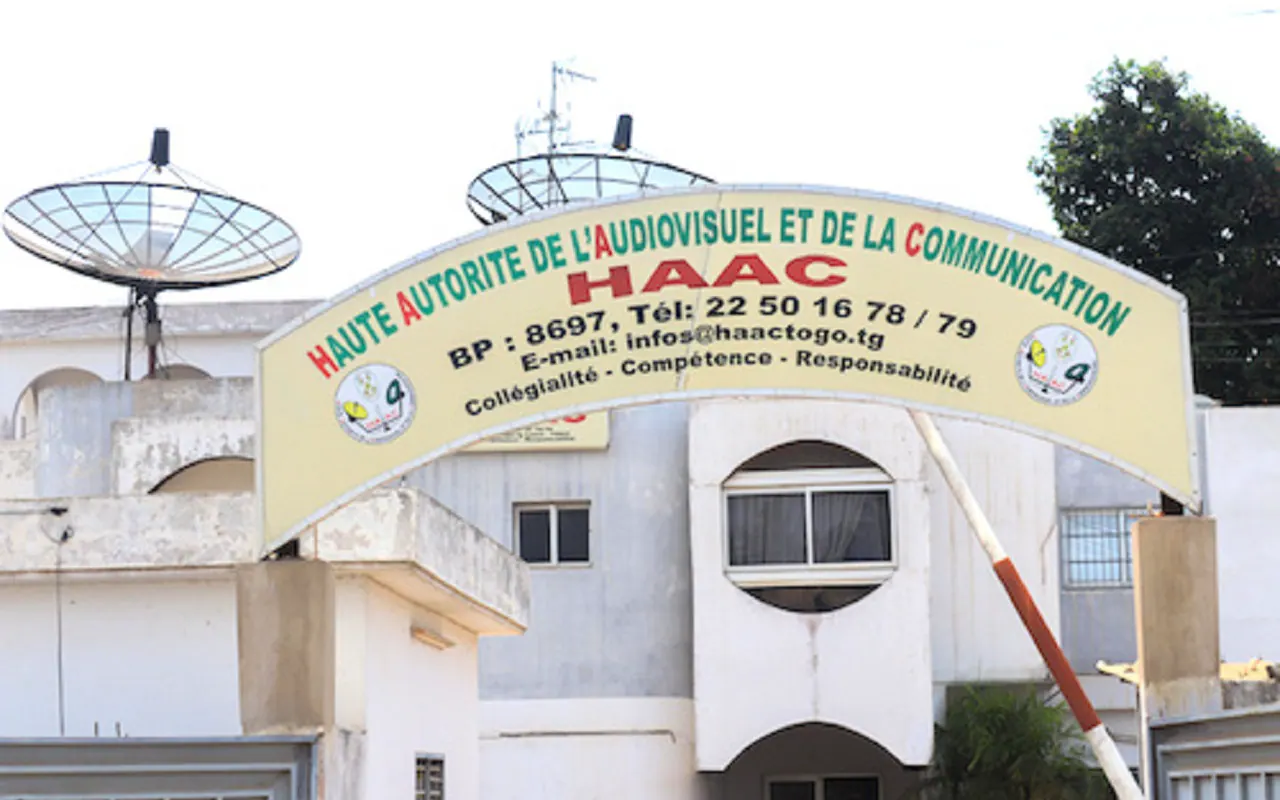
On September 22, 2026, the Haute Autorité de Régulation de la Communication Écrite, Audiovisuelle et Numérique (HARC) in Togo convened a meeting with content creators, including bloggers, TikTok users, YouTubers, and influencers. The gathering, initially announced on September 14, aimed to discuss pressing issues such as freedom of expression, ethics, and a new regulatory framework for online advertising. The event drew a large crowd that exceeded the conference room's capacity, prompting organizers to set up an additional space in the courtyard.
The meeting signaled HARC's ambition to shift from a regulatory role to a more supportive approach, recognizing the sector's growing importance as a primary information channel in Togo. HARC President Willbronde Pitalounani Télou emphasized the need to balance freedom of expression with responsibility, stressing that each information disseminator has a duty to uphold certain principles. These include verifying information, respecting human dignity and others' rights, and preserving social cohesion.
The HARC has taken a proactive approach, drawing from its interactions with regional counterparts in countries such as Chad, Senegal, South Africa, Benin, Burkina Faso, and Côte d'Ivoire. By engaging with content creators, the institution aims to promote a culture of responsibility and adherence to established guidelines. This initiative reflects the evolving media landscape in Togo, where digital platforms have become essential channels for information dissemination.
A significant announcement from the meeting concerned the regulation of online advertising. Content creators will now be required to obtain a diffusion visa from HARC before publishing any promotional content on social media. This requirement primarily targets creators engaged in paid partnerships with brands, companies, or event organizers, compelling them to familiarize themselves with the legal framework governing influencer marketing.
The HARC views this meeting as the starting point for ongoing dialogue with content creators, who have become vital players in Togo's media landscape. By establishing a clear regulatory framework, the institution seeks to ensure that the digital sector operates responsibly and in accordance with existing laws. This approach is expected to foster a more collaborative relationship between HARC and content creators.
Key principles guiding HARC's regulatory approach include prior verification of information, respect for human dignity and others' rights, and preservation of social cohesion. By emphasizing these principles, the institution aims to promote a culture of responsible content creation, where creators can exercise their freedom of expression while upholding their responsibilities.
The new regulatory framework for online advertising is a crucial aspect of HARC's efforts to ensure accountability in the digital sector. By requiring content creators to obtain a diffusion visa, the institution can better monitor and control the dissemination of promotional content, ultimately protecting consumers and promoting a fair and transparent advertising environment.
Key points
- HARC introduces new regulations for online advertising in Togo.
- The institution aims to balance freedom of expression with responsibility among content creators.
- The regulatory framework is part of HARC's expanded mandate to oversee the digital sector.