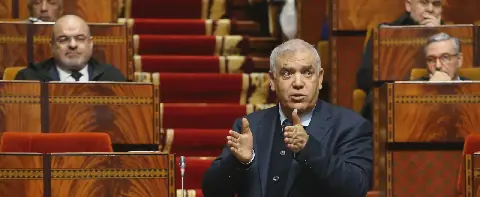
The Haute autorité de régulation de la communication écrite, audiovisuelle et numérique (HARC) in Togo has announced plans to strengthen its oversight of online information creators. On September 22, 2026, the HARC met with social media influencers, bloggers, YouTubers, and TikTok creators in Lomé to discuss their responsibilities in the digital space. This meeting marks a new step in regulating social media practices.
N'do Pabozi, HARC's director of legal affairs and litigation, addressed the gathering, stating that social media influencers are not journalists and have not undergone formal journalism training. The HARC aims to promote a better understanding of the role and responsibilities of online content creators. This move comes as social media platforms have become a significant channel for information dissemination in Togo.
The HARC's new mandate, as outlined in the Constitution of May 6, 2024, includes regulating digital communication. HARC President Pitalounani Télou emphasized that the institution's scope now extends to online influencers, bloggers, TikTok creators, and web activists. This development aims to mitigate risks associated with false information, harassment, hate speech, and dignity violations on social media.
The rise of digital platforms in Togo has led to an increase in online information dissemination. However, this shift also raises concerns about the spread of misinformation and online harassment. To address these issues, the HARC is encouraging participants to develop a code of conduct and ethics, promoting self-regulation among online content creators.
The meeting, which took place on September 22, 2026, was the first of its kind since the HARC's expanded mandate. It brought together various stakeholders, including bloggers, YouTubers, and TikTok creators. The HARC's efforts aim to promote responsible online content creation and minimize the risks associated with social media.
The HARC's initiative has been reported by Ledefenseurinfo, a local news outlet. According to the report, the meeting was an opportunity for the HARC to engage with online content creators and raise awareness about their responsibilities. The HARC's actions are seen as a step towards promoting a safer and more responsible online environment in Togo.
The development of a code of conduct and ethics is expected to be a key outcome of the HARC's initiative. Online content creators will be encouraged to adhere to these guidelines, promoting a culture of responsibility and respect for the law. The HARC's efforts are aimed at balancing the benefits of social media with the need to protect citizens from online harm.
Key points
- Togo's HARC is strengthening its oversight of online information creators.
- Social media influencers are being warned that they are not journalists.
- A code of conduct and ethics is being developed for online content creators.