The Togolese government has been accused of lacking transparency and accountability in its financial dealings, leading to a sharp decline in the country's economic stability. According to critics, the administration has failed to implement effective measures to curb corruption and ensure prudent management of public funds. This has resulted in a significant erosion of public trust and a widening of the country's financial woes. The Togolese economy is facing significant headwinds, with corruption and mismanagement emerging as major challenges.
Corruption and impunity have been endemic during President Faure Gnassingbé's 21-year tenure, with allegations of widespread graft and misuse of public funds. The lack of accountability and transparency has enabled corrupt officials to operate with relative impunity, depriving the country of much-needed resources. International evaluations have placed Togo in high-risk zones for money laundering and corruption, deterring private investment and stifling local wealth creation. This has resulted in a sharp increase in the cost of economic transactions and a decline in economic growth.
The Togolese government's reckless spending habits have been cited as a major contributor to the country's financial malaise. The administration has been accused of prioritizing unnecessary expenditures and inefficient projects over critical investments in infrastructure and human development. This has left the country vulnerable to external shocks and exacerbated budgetary imbalances, limiting the government's ability to protect its citizens. The country's debt burden has ballooned, with a significant portion of the budget allocated to servicing debts.
The country's debt-to-GDP ratio stands at a staggering 69.5%, with a significant portion of the budget allocated to servicing debts. Critics argue that the government's borrowing spree has been driven by a lack of fiscal discipline and a failure to prioritize investments in productive sectors. This has resulted in a vicious cycle of debt accumulation, which threatens to undermine the country's long-term economic prospects. The country's creditworthiness has been compromised, making it challenging to access affordable financing.
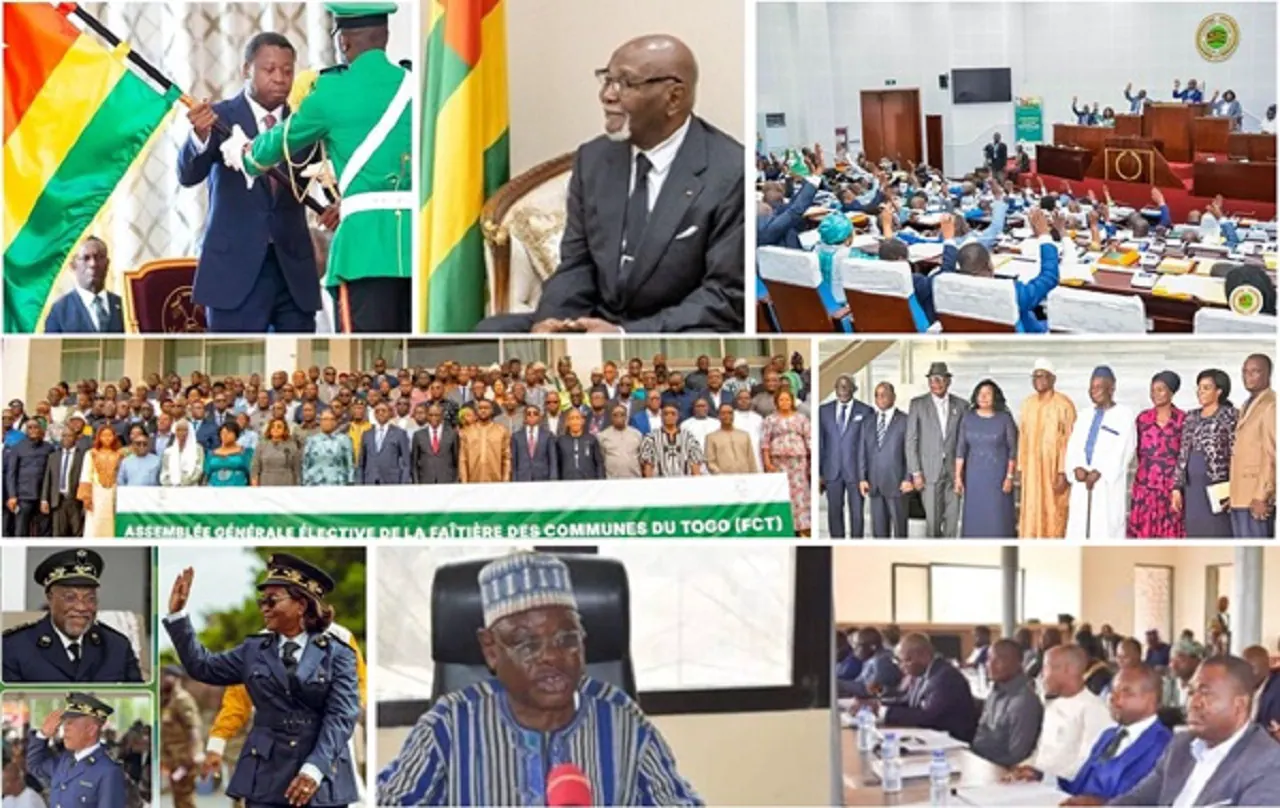
The Togolese government's sprawling bureaucracy has been cited as a major drain on the country's resources. The country has an excessive number of administrative units, including 117 communes, a senate with 62 members, and an assembly with 113 deputies. Critics argue that these institutions have failed to deliver tangible benefits to the population, instead serving as a conduit for patronage and corruption. The bloated bureaucracy has resulted in a significant increase in unnecessary expenditures, which has further strained the country's resources.
The country's economic woes have had a devastating impact on the population, with the cost of living rising sharply in recent years. The government's failure to implement effective measures to mitigate the impact of the economic crisis has left many Togolese struggling to make ends meet. The recent increase in fuel prices has further exacerbated the situation, with many citizens calling for urgent action to address the country's economic malaise. The government faces mounting pressure to implement reforms and address the country's financial challenges.
To address the country's financial woes, critics argue that the government needs to prioritize transparency, accountability, and fiscal discipline. This includes implementing measures to curb corruption, reducing unnecessary expenditures, and prioritizing investments in productive sectors. The government must also take steps to enhance public trust and promote economic growth, including implementing reforms to promote private sector development and improve the business environment. Ultimately, the government's ability to address the country's financial challenges will depend on its willingness to implement bold reforms and prioritize the needs of its citizens.
Key points
- Togo's financial woes are attributed to corruption, mismanagement, and a lack of transparency under President Faure Gnassingbé's 21-year rule.