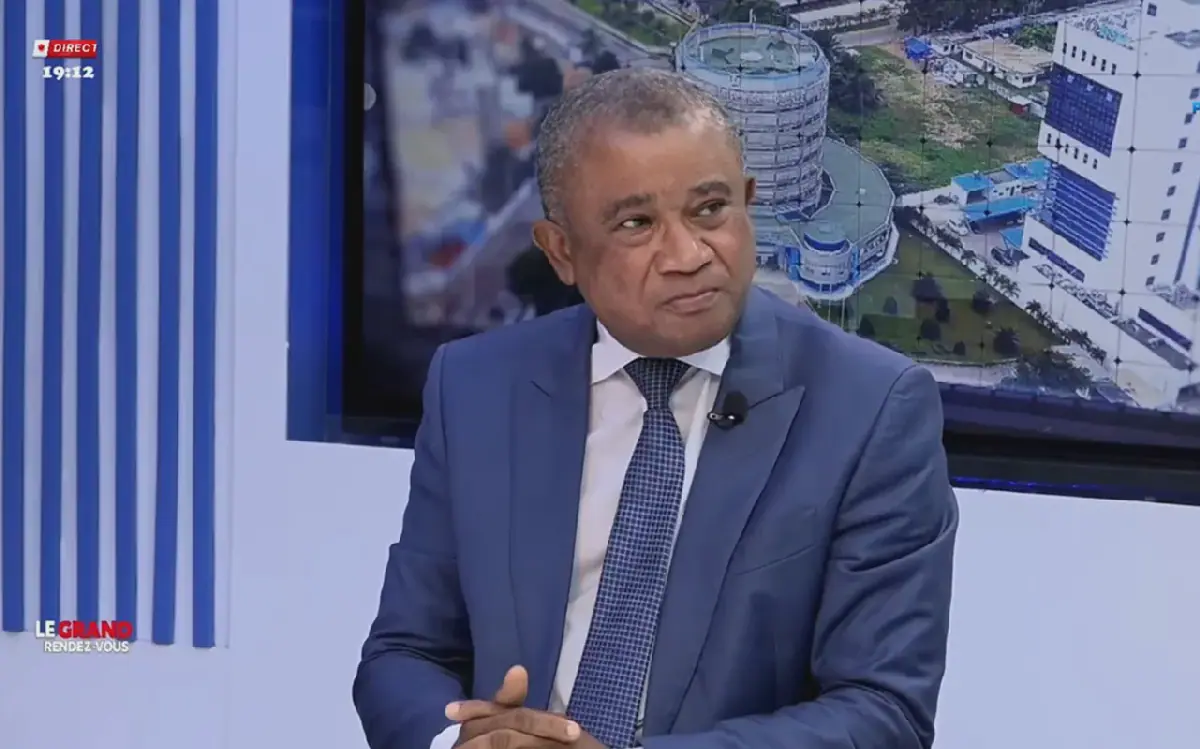
Dr. Georges William Kouessan, leader of the Santé du Peuple party and a candidate in the 2020 presidential election, has expressed his concerns over the government's recent operation to clear public spaces in Lomé, Togo's capital. In an interview on Pyramide TV's "Grand Rendez-vous" program on November 8, Kouessan described the operation as "almost dramatic." He emphasized that, as a citizen and private economic actor, he understands the plight of the affected traders.
The government's operation, which began in 2023 and resumed recently, aims to reclaim public spaces and promote security and aesthetics. However, Kouessan argues that the method used is too brutal, with traders being given little to no notice to vacate their stalls. Many of these traders have obtained permits and paid taxes, only to be told to leave without any support. Kouessan believes that the government should be able to recover public spaces, but with more consideration for those who depend on these activities for their livelihood.
Kouessan is skeptical about the government's claims that the clearances are part of larger development projects, citing that similar projects have been announced in the past but never materialized. He questions the justification for displacing people who seem to have been left with no alternative. The Santé du Peuple party leader also highlights the significant role of the informal economy in Togo and suggests that formalizing it could provide a solution. By doing so, the government could potentially relocate traders to designated markets or stores.
When asked about his approach if he had been elected president in 2020, Kouessan mentioned a project aimed at converting taxi-motorcycle drivers into other economic activities. He implies that his administration would have handled the situation differently, prioritizing the welfare of affected citizens. Kouessan also addresses criticism that the opposition has been silent on social issues, arguing that the heavily restricted political space in Togo limits their ability to hold the government accountable.
Despite these challenges, Kouessan asserts that his party remains committed to addressing social concerns. He emphasizes that, as a citizen and politician, he feels a responsibility to speak out against what he perceives as unjust treatment of vulnerable populations. The government's actions have sparked debate about balancing public space management with the needs of informal traders and vendors.
The clearance operation has left many traders and their families uncertain about their future. Kouessan's comments reflect a broader concern about the government's approach to urban development and its impact on the most vulnerable citizens. As the situation continues to unfold, it remains to be seen how the authorities will respond to criticism and whether they will adjust their strategy to better accommodate those affected.
The issue has also raised questions about the role of opposition parties in Togo and their ability to influence policy. Kouessan's statements suggest that, despite limitations, his party will continue to advocate for the rights and interests of citizens affected by government actions. The situation highlights the complexities of urban governance and the need for inclusive decision-making processes that consider the needs of all stakeholders.
Key points
- Dr. Georges William Kouessan criticizes the government's handling of public space clearances in Lomé, citing concerns about the impact on traders and their families.
- The Santé du Peuple party leader suggests formalizing the informal economy as a potential solution to the challenges posed by the clearances.
- Kouessan also addresses criticism of the opposition's silence on social issues, arguing that the restricted political space in Togo limits their ability to hold the government accountable.