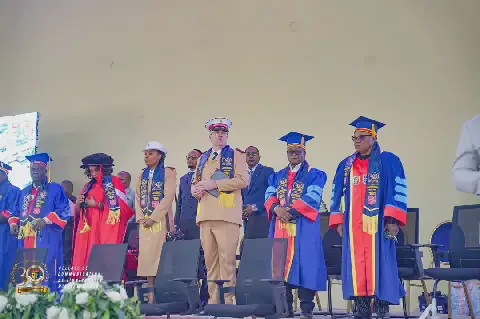
The University of Lomé recently hosted an international colloquium on the role of regional human rights courts in protecting democracy and the sovereignty of states. The event, held on October 29-30, 2026, brought together experts to discuss the intersection of state sovereignty and human rights. This debate comes on the heels of a landmark ruling by the ECOWAS Court of Justice on January 29, 2026, which deemed Togo's constitutional reform of March 25, 2024, a change of government that contravened the African Charter on Democracy, Elections, and Governance.
At the heart of the debate is the distinction between the sovereignty of the state and the sovereignty of the people. Togo's 1992 and 2024 constitutions explicitly vest sovereignty in the people, not the state. Article 4 of both constitutions states that the people exercise sovereignty through their representatives and referendums, and that no section of the people, body, or individual can claim to exercise it. This fundamental principle has significant implications for the role of government and the limits of state power.
The ECOWAS Court of Justice's ruling on Togo's constitutional reform has sparked controversy over the role of regional courts in protecting human rights and promoting democracy. The court found that the reform, which changed the country's governance structure, was in violation of the African Charter on Democracy, Elections, and Governance. This decision has raised questions about the balance between state sovereignty and regional oversight.
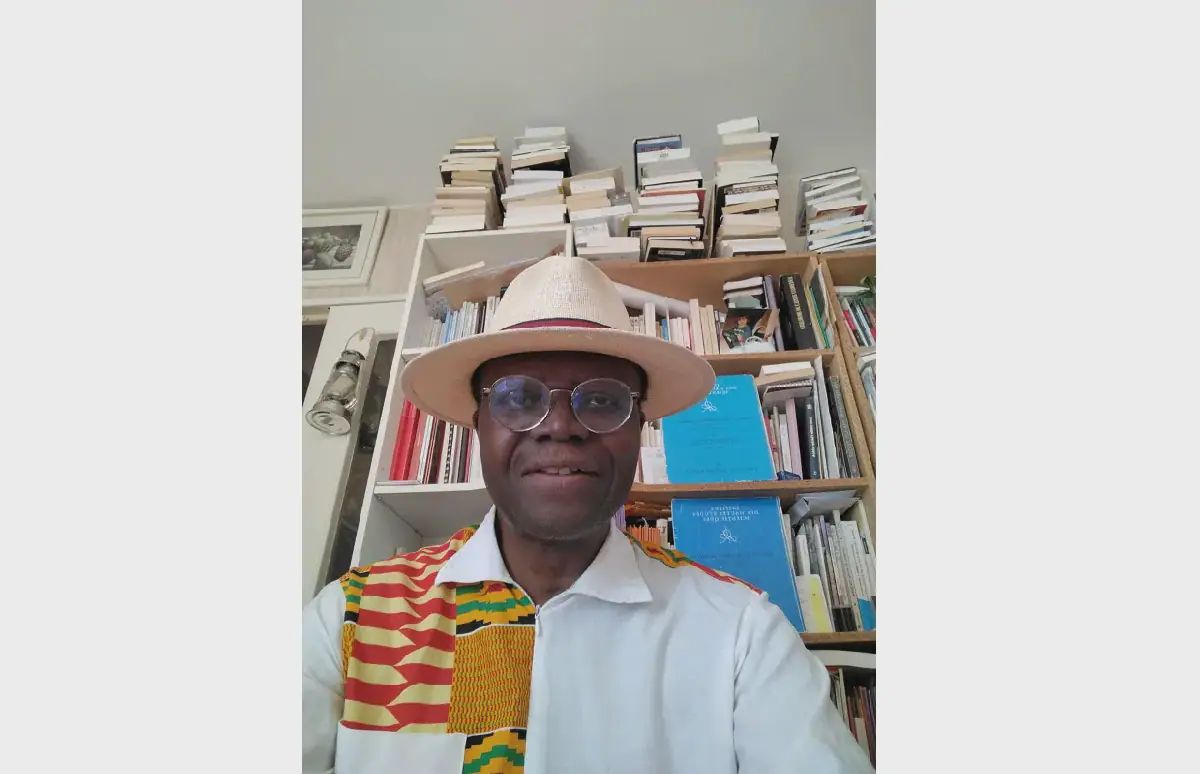
Professor Pascal Kossivi Adjamagbo, a prominent expert in the field, has emphasized that the sovereignty of the state must not be used to undermine the sovereignty of the people. He argues that the international sovereignty of the state does not grant governments a blank check to disregard constitutional and international obligations. Rather, it is essential to ensure that state power is exercised in a manner that respects the rights and interests of citizens.
The colloquium at the University of Lomé provided a platform for scholars to engage with these complex issues. The program included discussions on the reception of regional court decisions and the effectiveness of their judgments in the face of state sovereignty. These debates highlight the need for a nuanced understanding of the relationships between state power, human rights, and regional oversight.
A critical question arising from this debate is whether the sovereignty of the state can be invoked to limit the exercise of popular sovereignty. The answer lies in Togo's constitution, which explicitly vests sovereignty in the people. No institution or government can claim to exercise this sovereignty on behalf of the people, and any attempt to do so would be a violation of constitutional principles.
Ultimately, the Togolese people have a right to question the use of state sovereignty to undermine their constitutional rights and interests. As the country navigates this complex debate, it is essential to prioritize the principles of popular sovereignty, democracy, and human rights. The international community is also watching closely, as the outcome of this debate has implications for the protection of human rights and the promotion of democracy in the region.
Key points
- The Togolese constitution vests sovereignty in the people, not the state.
- The ECOWAS Court of Justice has ruled that Togo's constitutional reform was a change of government that contravened the African Charter on Democracy, Elections, and Governance.
- Experts warn that state sovereignty must not be used to undermine the sovereignty of the people or disregard constitutional and international obligations.